Horses aren’t designed for constant sugar spikes
Just like humans can struggle when diets are overloaded with sugar and refined carbs, horses can suffer when their feeding routine is too “sweet” or too rich. Over time, high-sugar/high-starch patterns can contribute to metabolic stress that shows up in weight issues, energy swings, hoof problems, and overall resilience.
Always consult your vet for medical guidance—this is a practical, natural-first overview for everyday feeding habits.
Where “hidden carbs” show up
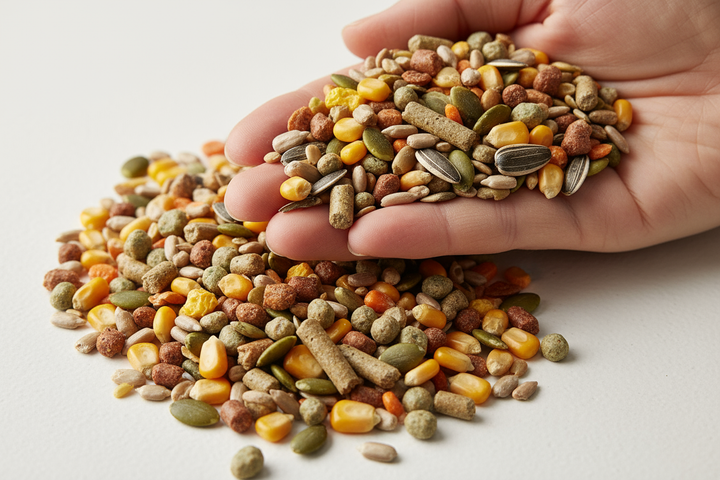
- Grain-heavy concentrates
- Sweet feeds and molasses-heavy mixes
- Too many sugary treats
- Rich pasture at certain times of year
Common signs your horse may be struggling
- Easy weight gain
- Low energy or “wired then tired” behavior
- Hoof sensitivity (a red flag to take seriously)
- Inconsistent performance
A natural-first feeding reset (simple steps)
- Forage first (steady, appropriate hay/pasture)
- Reduce “sweet” extras (treats and sugary feeds)
- Make changes slowly (no sudden switches)
- Support movement (daily low-stress activity)
Adventure Gear plug (routine consistency on travel days)
Shows and trail days can disrupt feeding schedules. A ready kit helps keep routines steadier when you’re away from home.
Browse: Pet Adventure Gear.
CTA
If you want long-term health, think “steady and simple.” Build a forage-first routine and treat sugar like the occasional exception—not the foundation.