“No-Mow” Spring + Bee Support: A Pet-Safe Backyard Plan That Helps Wildlife Too
Wildlife-friendly doesn’t have to mean messy—or unsafe
Early spring is when pollinators and small wildlife need us most. The “no-mow” movement (or even just “mow less for a few weeks”) helps early blooms feed bees and supports the tiny ecosystems that...

Wildlife-friendly doesn’t have to mean messy—or unsafe
Early spring is when pollinators and small wildlife need us most. The “no-mow” movement (or even just “mow less for a few weeks”) helps early blooms feed bees and supports the tiny ecosystems that keep nature humming.
But if you have pets, you also want a yard that’s safe, clean, and practical. Here’s a balanced plan.
Why “no-mow” helps
- Early flowers provide crucial nectar and pollen
- Ground cover protects insects and soil health
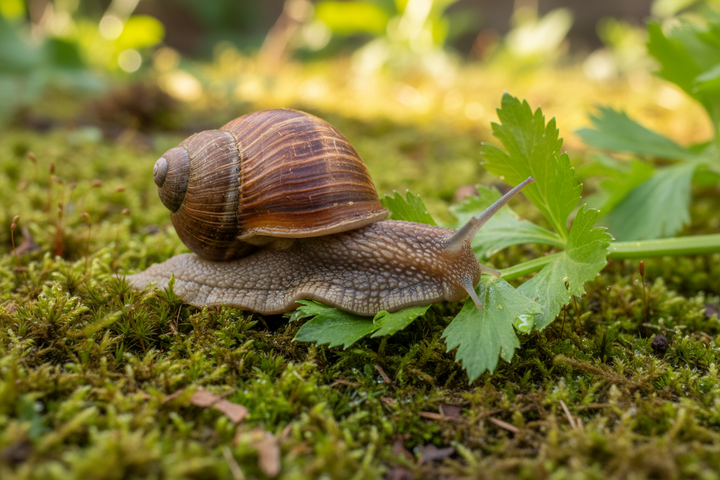
- More biodiversity supports birds, frogs, and beneficial bugs
A pet-safe version: the 3-zone yard
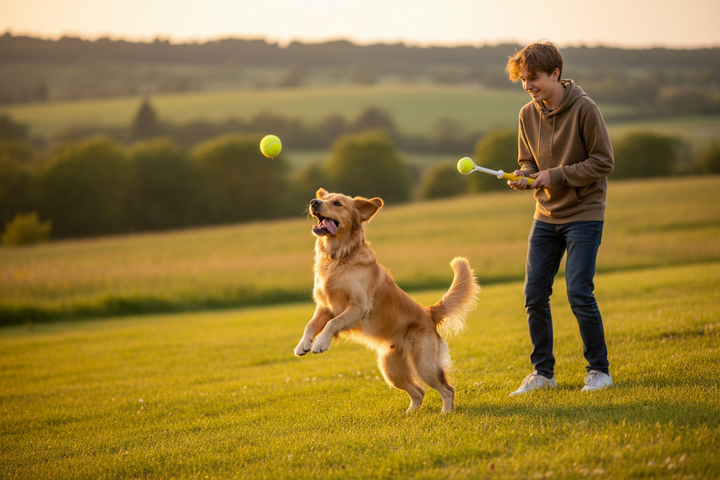
Zone 1: The “pet runway”
Keep a short-mowed path for zoomies, potty breaks, and easy cleanup.
Zone 2: The “wild strip”
Let one edge grow longer for 2–4 weeks. This is your pollinator buffet.
Zone 3: The “hangout”
A tidy space for humans + pets to relax together.
Pet safety reminders
- Avoid chemical lawn treatments where pets roam
- Check for ticks after outdoor play
- Keep fresh water available on warm days
Wholesome plug: outdoor time = training time
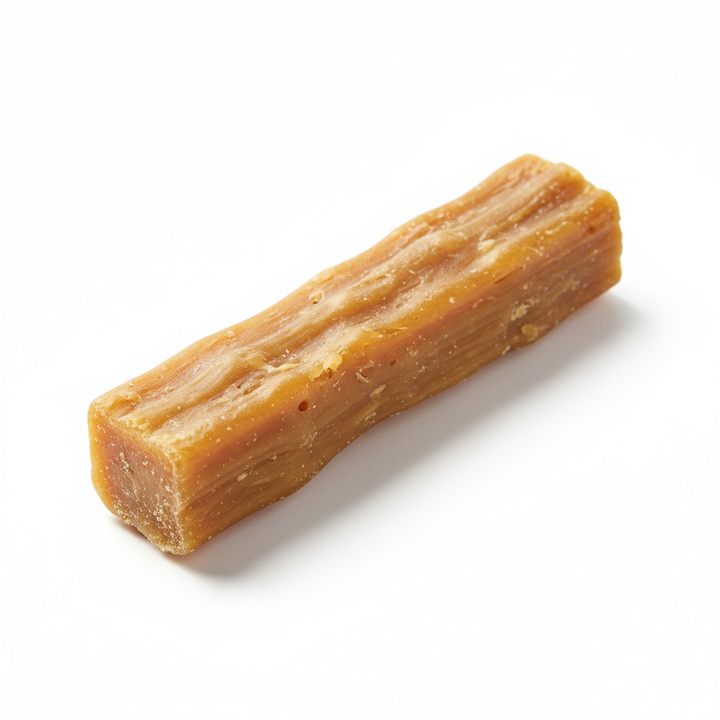
More outdoor time usually means more recall practice and more enrichment needs. Pack clean rewards for calm leash behavior.
Shop: Dog Treats and Natural Chews.
Adventure Gear plug
Make spring outings smoother with a simple “go kit.”
Browse: Pet Adventure Gear.
CTA
Want a spring routine that’s good for pets and the planet? Start with clean treats + adventure-ready essentials: We Love Dogs.
A pet-safe “no-mow” spring plan that supports bees and wildlife—without turning your yard into chaos. Plus wholesome product picks.