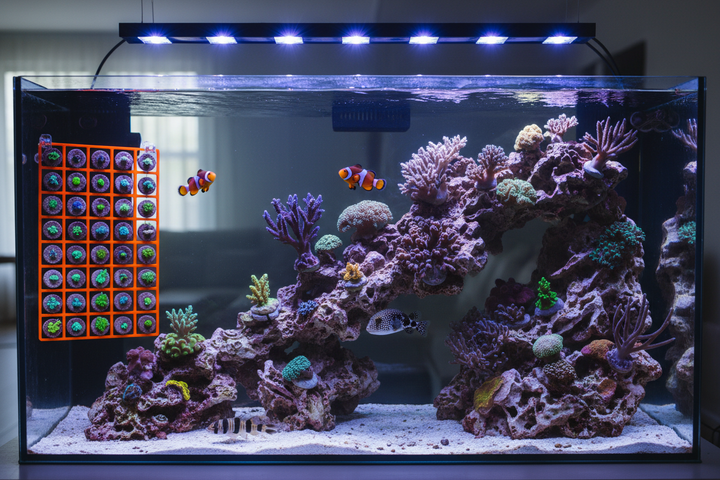
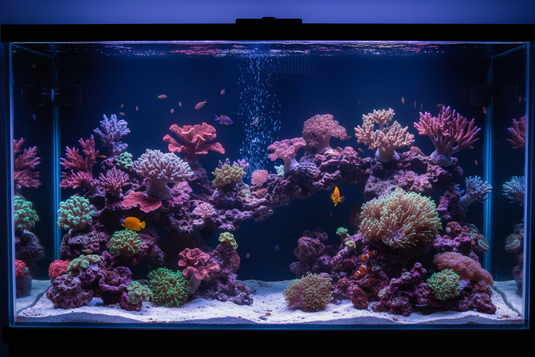
Keeping fish can be relaxing, beautiful, and surprisingly rewardingbut most fish problems dont start with the fish. They start with the tank setup.
If youre new to aquariums (or restarting after a frustrating experience), this guide will help you build a stable, low-stress environment where your fish can thrive.
1) Start with the right tank (bigger is usually easier)
A common beginner mistake is choosing a tiny tank because it feels simpler. In reality, small tanks change fasttemperature swings, waste buildup, and water chemistry shifts happen quickly.
- Choose the largest tank you can comfortably maintain.
- Make sure it sits on a stable, level surface.
- Keep it away from direct sunlight (algae blooms) and vents (temperature swings).
Rule of thumb: More water volume = more stability.
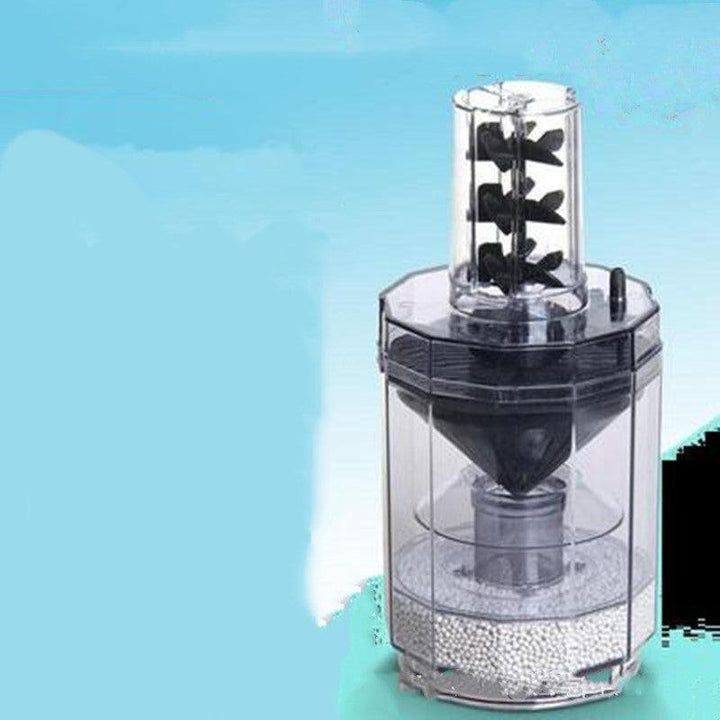
2) Filtration + oxygen: the quiet workhorses
A good filter does more than clean the waterit supports beneficial bacteria that keep toxins under control.
- Pick a filter rated for your tank size (or slightly larger).
- Keep water moving to support oxygen exchange.
Rinse filter media in old tank water, not tap water, so you dont wipe out beneficial bacteria.
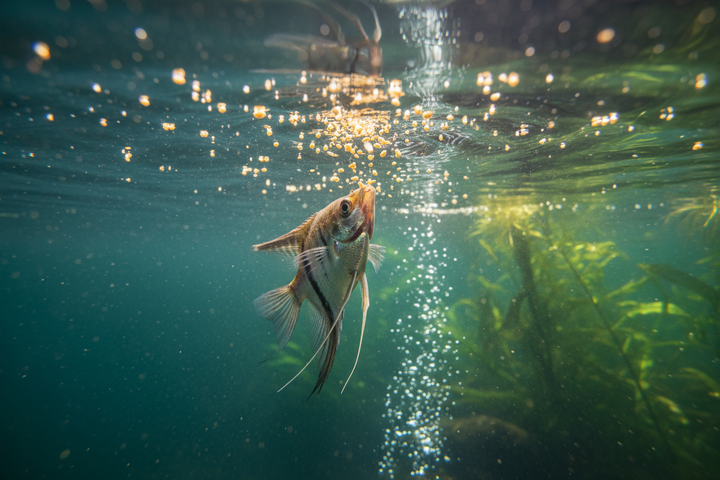
If your fish are gasping at the surface, check oxygenation, temperature, and water quality right away.
3) The nitrogen cycle: the #1 concept that saves fish lives
Fish waste turns into ammonia, which is toxic. A healthy aquarium grows beneficial bacteria that convert:
- Ammonia Nitrite Nitrate
This process is called cycling.
- Ideally, cycle the tank before adding fish.
- Test your water regularly (especially in the first month).
- Go slow when adding new fishsudden increases in bioload can overwhelm the system.
Beginner-friendly mindset: Your first job is building a stable ecosystem.
4) Stocking: choose compatible fish (and don't overcrowd)
Not all fish play well together, and many species outgrow the cute size they start at.
- Research adult size, temperament, and preferred water parameters.
- Avoid mixing aggressive fin-nippers with slow, long-finned fish.
- Don't overstockovercrowding is one of the fastest ways to get chronic stress and disease.
If youre unsure, start with a small community plan and build gradually.
5) Feeding: less is usually better
Overfeeding is one of the most common causes of cloudy water and poor water quality.
- Feed small portions your fish can finish in about 3060 seconds.
- Remove uneaten food if its sinking and piling up.
- Use a rotation of high-quality foods when appropriate (flakes/pellets + frozen/live options depending on species).
Tip: A fish that begs is not always a fish thats hungry.
6) Water changes: the simplest habit with the biggest payoff
Regular water changes help control nitrates, replenish minerals, and keep the tank stable.
- Do partial water changes on a schedule (many tanks do well with weekly changes).
- Always treat new water with a dechlorinator if using tap water.
- Match temperature as closely as you can to avoid shocking fish.
Consistency matters more than perfection.
7) Temperature and lighting: keep it steady
Different fish have different needs, but almost all fish do better with stability.
- Use a reliable heater for tropical tanks.
- Use a thermometer and check it regularly.
- Keep lighting on a timer to prevent algae and support a natural day/night rhythm.
8) Planting and decor: reduce stress and boost natural behavior
Fish feel safer when they have places to hide and explore.
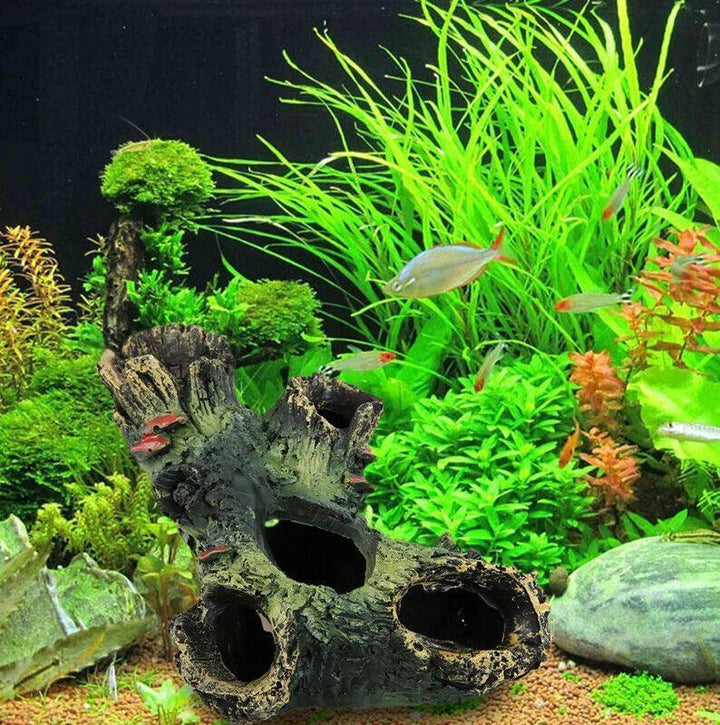
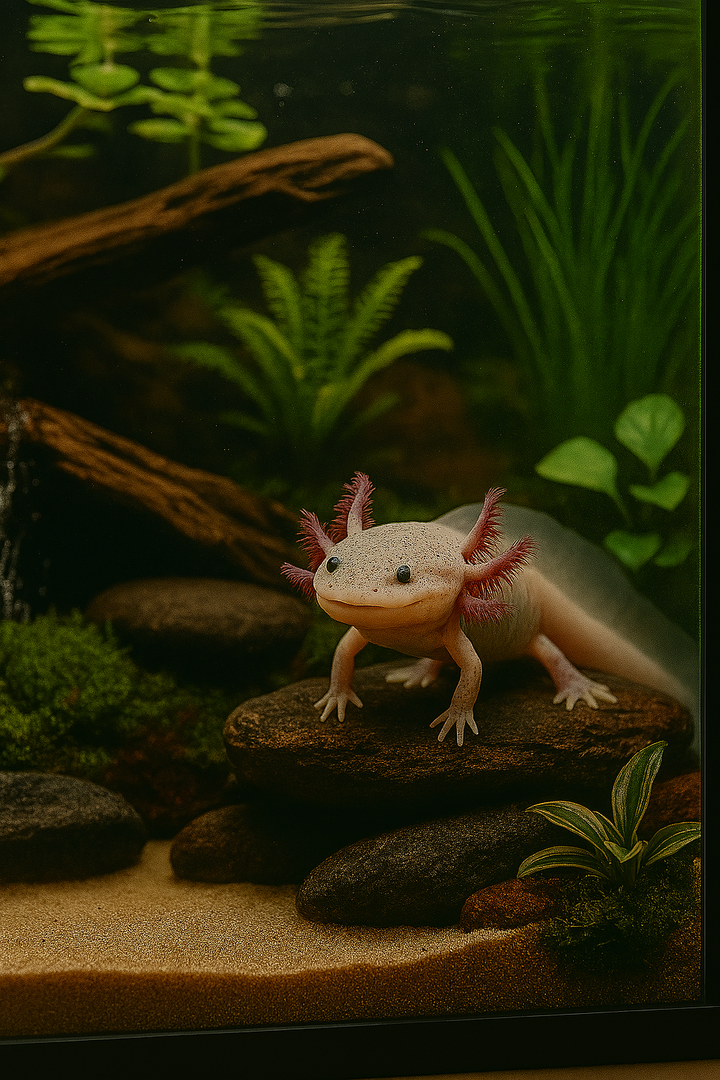
- Add caves, driftwood, rocks (aquarium-safe), and plants (live or quality artificial).
- Avoid sharp edges that can tear fins.
- Rinse decor before adding it to the tank.
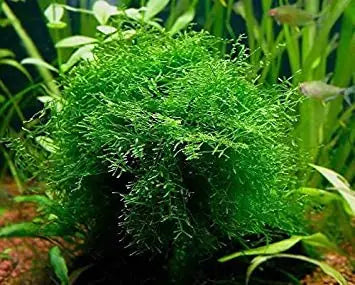
Live plants can also help with water quality and create a more natural environment.
9) Common signs something is off
Fish often show stress before they show serious illness.
Watch for:
- Gasping at the surface
- Clamped fins, hiding constantly
- Flashing (rubbing on objects)
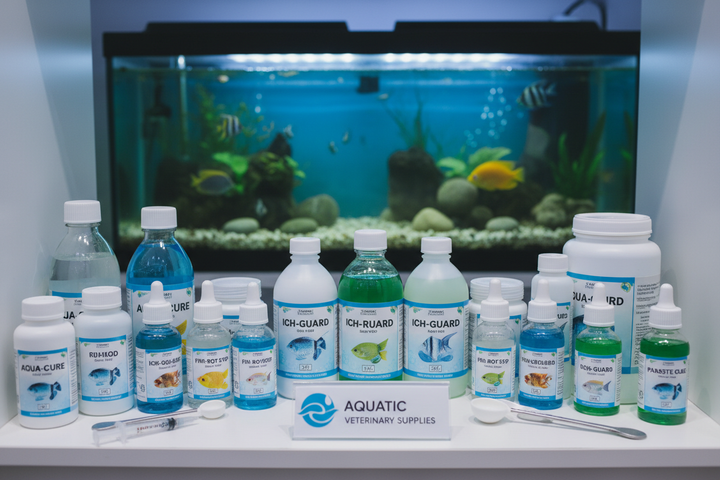
- White spots, fuzzy patches, torn fins
- Sudden aggression or lethargy
When in doubt, test water firstmany issues trace back to ammonia/nitrite spikes or unstable conditions.
A simple daily + weekly aquarium routine
If you like checklists, heres a beginner-friendly rhythm:
Daily:
- Quick look at fish behavior and appetite
- Check temperature
- Feed lightly
Weekly:
- Test water (especially newer tanks)
- Partial water change
- Light algae wipe if needed
Monthly:
- Gently rinse filter media in old tank water
- Check equipment (heater, filter flow, air pump)
Want a healthier aquarium with less guesswork?
Were big believers in species-appropriate care for every kind of petincluding aquatic ones. Explore our store for aquarium essentials, enrichment, and nutrition options that support a stable, thriving tank.