Learn how to cycle a freshwater aquarium naturally with beneficial bacteria, clean water habits, and simple steps for a stable, healthy tank.
The moment every new tank owner hits
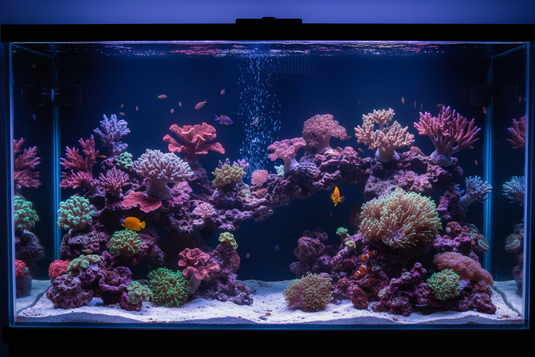
You set up a beautiful aquarium. The filter is humming. The water looks clear.
And then you hear the scary words: new tank syndrome.
Cycling isn’t a gimmick. It’s the biological foundation that keeps fish healthy. The good news: you can do it in a clean, natural, low-stress way—with fewer “panic fixes” and more stability.
If you’re building a family aquarium, this guide is your calm, step-by-step plan.
What cycling actually is
Cycling is the process of growing beneficial bacteria that convert toxic waste into safer compounds:
- Fish waste and leftover food create ammonia
- Beneficial bacteria convert ammonia into nitrite
- More beneficial bacteria convert nitrite into nitrate
- You remove nitrate with water changes and (often) plant growth
A cycled tank isn’t just clear. It’s stable.
Two natural ways to cycle a tank
Option 1: Fishless cycling (best for beginners)
This is the safest and most predictable method.
You’ll need:
- A filter and water movement
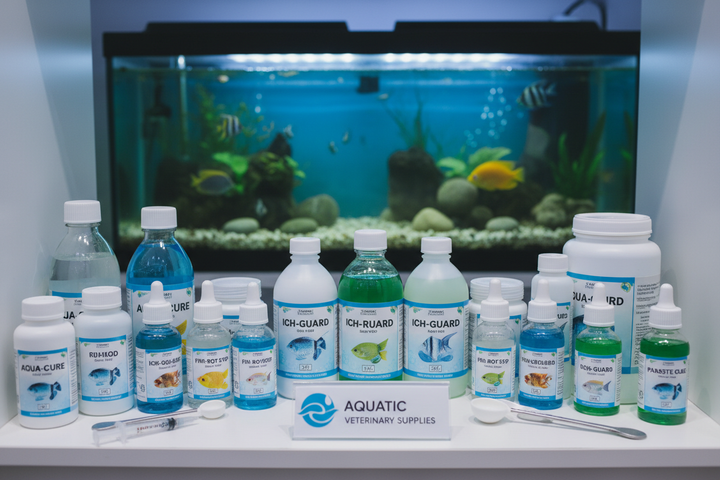
- A dechlorinator (water conditioner)
- A beneficial bacteria starter
- A way to test water
Where to shop:
- Aquarium Chems, Bacters, Cultures: https://walnutcreekpet.com/collections/aquarium-chems-bacters-cultures
- Aquarium Filters, Pumps, Media: https://walnutcreekpet.com/collections/aquarium-filters-pumps-media
Basic steps:
- Set up the tank, filter, and heater (if needed)
- Condition the water to remove chlorine/chloramine
- Add beneficial bacteria
- Add an ammonia source per product instructions
- Test every 1–2 days
- When ammonia = 0 and nitrite = 0 and nitrate is present, you’re close
Option 2: Gentle fish-in cycling (only if you must)
Sometimes families already have fish or inherit a tank.
If you cycle with fish in the tank:
- Stock very lightly
- Feed sparingly
- Test daily at first
- Do partial water changes whenever ammonia or nitrite rises
This method can work, but it requires more attention.
The natural stability boosters that make cycling easier
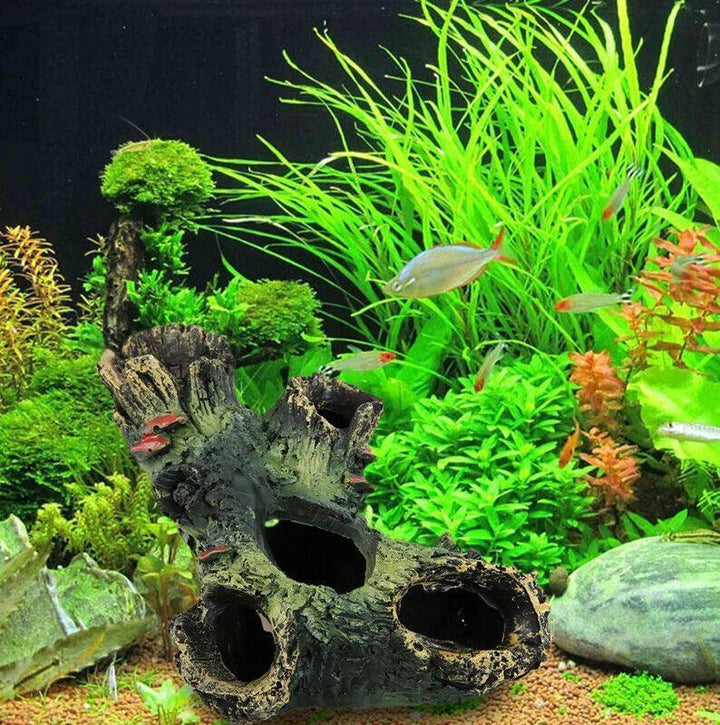
1) Live plants
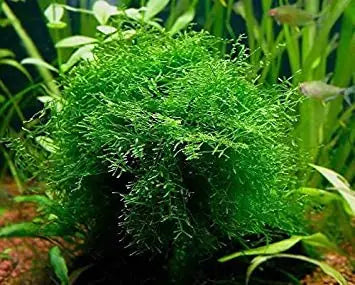
Live plants help by using nitrate and supporting a healthier micro-ecosystem.
- Aquarium Live Plants and More: https://walnutcreekpet.com/collections/aquarium-live-plants-an-more
Beginner-friendly plant habits:
- Start with easy, low-light plants
- Avoid over-fertilizing in week one
- Keep lighting consistent
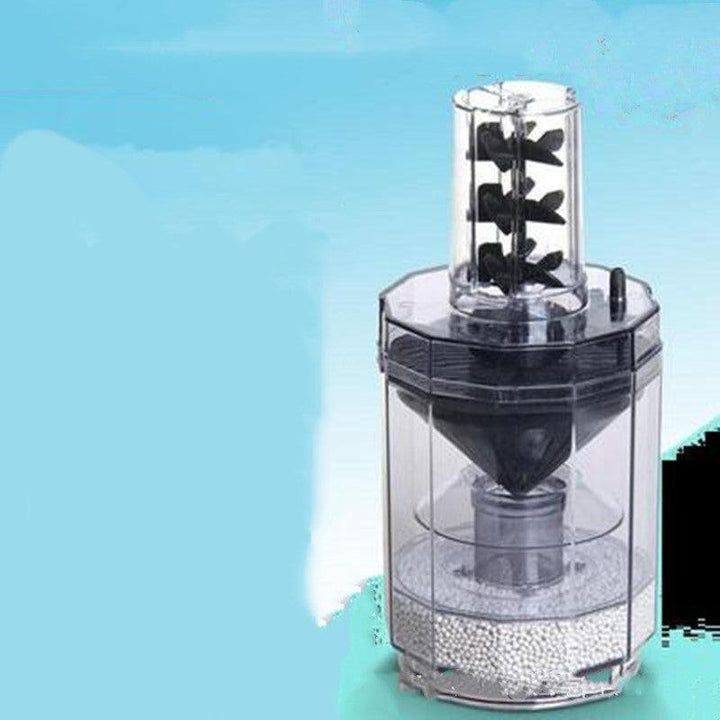
2) Filter media that supports bacteria
Your beneficial bacteria live mostly on surfaces—especially filter media.
- Aquarium Filters, Pumps, Media: https://walnutcreekpet.com/collections/aquarium-filters-pumps-media
Natural rule:
- Don’t replace all media at once
- Rinse media in old tank water, not tap water
3) Clean water changes, not panic changes
Water changes are helpful, but constant large changes can slow the cycle.
A simple approach:
- If fishless, change water only if levels get extreme
- If fish-in, change water whenever ammonia or nitrite is detectable
Common mistakes that cause cloudy water and stalled cycles
- Adding too many fish too fast
- Overfeeding in the first two weeks
- Cleaning the filter with tap water
- Using unconditioned water
- Chasing perfect numbers instead of building consistency
A simple testing schedule for families
- Week 1: Test ammonia and nitrite daily
- Week 2: Test every other day
- Week 3 and beyond: Test weekly, plus after any major change
If you need supplies:
- Aquarium Chems, Bacters, Cultures: https://walnutcreekpet.com/collections/aquarium-chems-bacters-cultures
Call to action
Cycling is the difference between a tank that survives and a tank that thrives.
Start your cycle with the right basics:
- Beneficial bacteria and water conditioners: https://walnutcreekpet.com/collections/aquarium-chems-bacters-cultures
- Filters and media: https://walnutcreekpet.com/collections/aquarium-filters-pumps-media
- Live plants: https://walnutcreekpet.com/collections/aquarium-live-plants-an-more
CTA: Build a stable tank the natural way. Start your cycling essentials today and give your fish a healthy home from day one.