A healthy aquarium is not just about clean water and the right equipment. It is also about creating an environment where fish feel safe, stable, and able to thrive. Stress is one of the most overlooked issues in fish care, and it can affect behavior, appetite, color, and long-term health.
Whether you are caring for a freshwater community tank or a more specialized setup, reducing stress should be part of your everyday routine.
Why stress matters in fish care
Fish may not show discomfort the same way dogs or cats do, but stress can still take a serious toll. When fish are stressed for long periods, they may become more vulnerable to illness, stop eating well, hide constantly, or show changes in movement and appearance.
Common causes of stress in aquariums include:
- Poor water quality
- Sudden temperature changes
- Overcrowding
- Aggressive tank mates
- Lack of hiding spaces
- Excessive handling or tapping on the glass
The goal is not to create a perfect tank overnight. It is to build a stable, species-appropriate environment that supports calm, healthy behavior.
Start with water stability
One of the biggest stress triggers for fish is unstable water conditions. Even small shifts in temperature, pH, or ammonia levels can create problems, especially for sensitive species.
A few simple habits make a big difference:
- Test your water regularly
- Keep up with partial water changes
- Avoid overfeeding
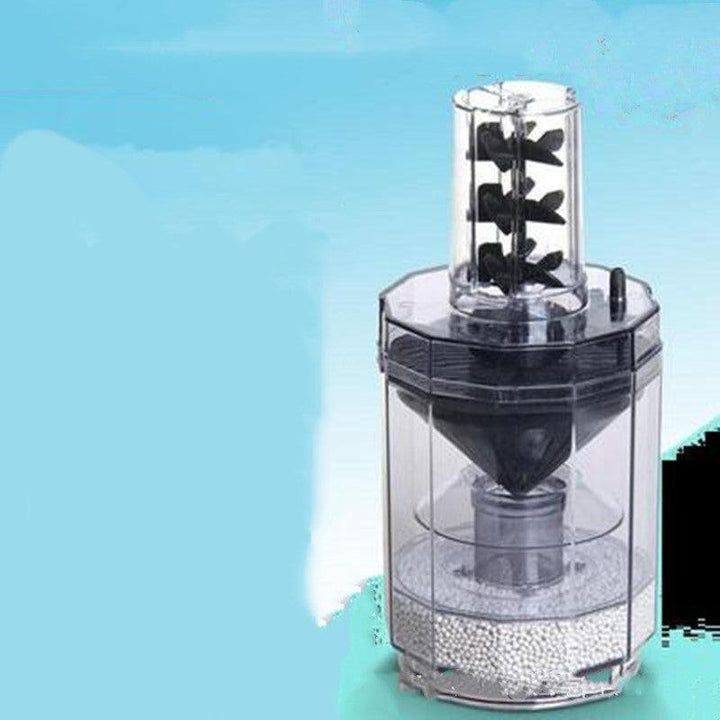
- Make sure your filter is working properly
- Match new water closely to the tank's temperature
Consistency matters more than constant tinkering. Fish do best when their environment stays predictable.
Choose tank mates carefully
Not all fish belong together, even if they are sold side by side in stores. Some species are territorial, some are fin nippers, and others become stressed when housed with fish that are too active or too large.
Before adding new fish, consider:
- Adult size n- Temperament
- Preferred water conditions
- Activity level
- Schooling needs
A peaceful tank starts with thoughtful stocking. Giving fish compatible neighbors can reduce chasing, hiding, and feeding competition.
Create shelter and visual comfort
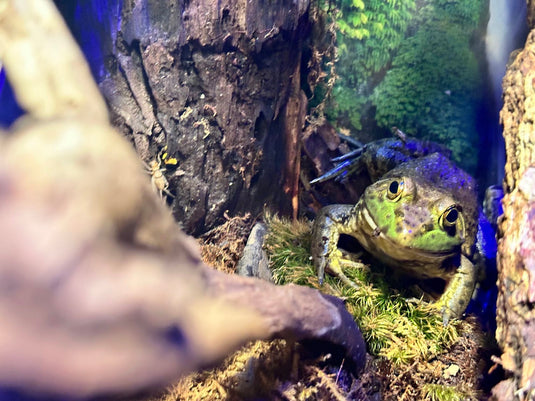
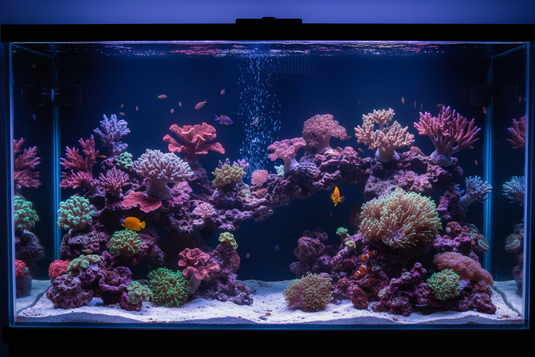
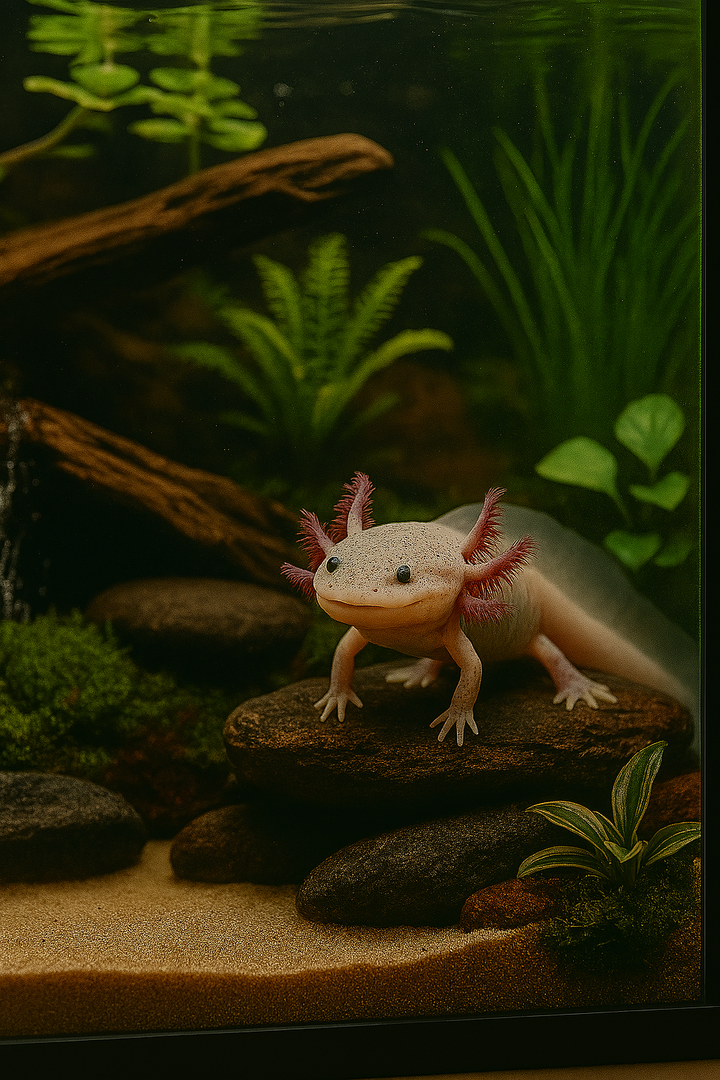
Fish need more than open water. Many species feel safer when they have places to retreat, rest, or break line of sight from other tank mates.
Helpful additions can include:
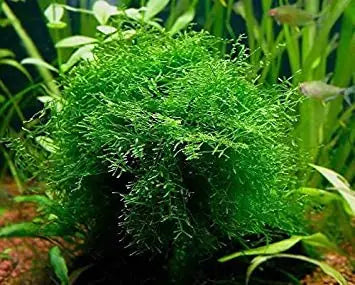
- Live or artificial plants
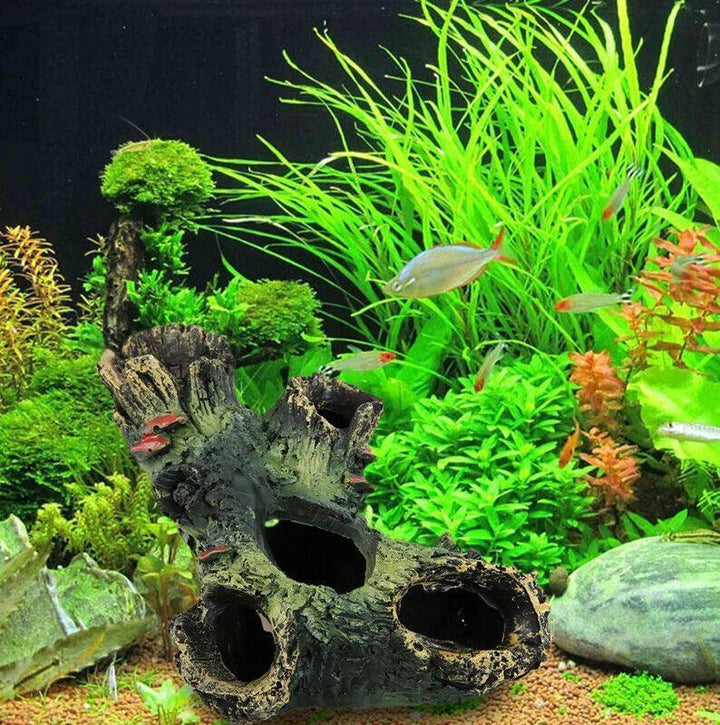
- Driftwood
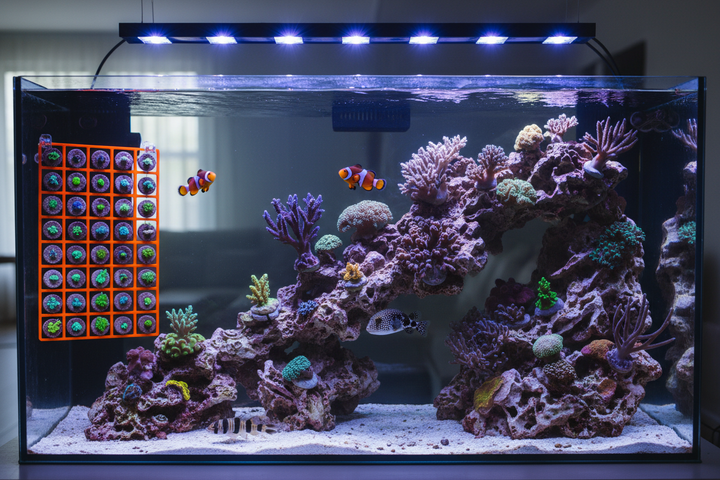
- Rock structures
- Caves or hides
- Backgrounds that reduce visual exposure
These features do more than decorate the tank. They help fish feel secure and behave more naturally.
Keep routines calm and predictable
Aquarium fish benefit from routine. Sudden changes in lighting, feeding, noise, or maintenance can create unnecessary stress.
Try to:
- eed on a consistent schedule
- Turn tank lights on and off around the same time each day
- Avoid loud disturbances near the aquarium
- Move slowly during tank maintenance
- Limit unnecessary rearranging of decor
A calm environment helps fish settle in and stay healthier over time.
Watch for signs of stress
Fish often give subtle clues when something is off. Paying attention early can help you correct issues before they become serious.
Signs of stress may include:
- Hiding more than usual
- Loss of appetite
- Clamped fins
- Rapid breathing
- Darting or erratic swimming
- Faded color
- Aggression or unusual passivity
If you notice these signs, review recent changes in the tank and check your water parameters first.
Support better fish care with the right supplies
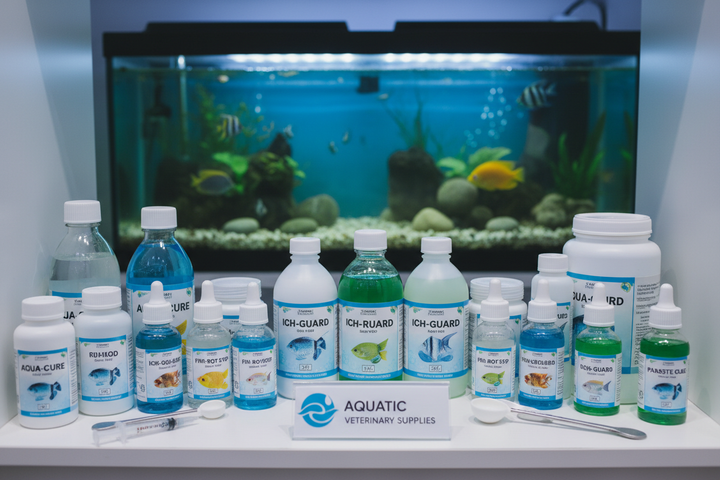
The right aquarium products can make daily care easier and more reliable. Water conditioners, quality foods, test kits, filtration support, and habitat enrichment all play a role in reducing stress and supporting long-term wellness.
At Walnut Creek Pets, we believe fish care should be thoughtful, practical, and rooted in what animals truly need. Whether you are setting up a peaceful community aquarium or fine-tuning a species-specific habitat, the best results come from steady care, quality products, and a healthy environment.
Final thoughts
Reducing stress in a home aquarium is one of the most important things you can do for your fish. Clean water, compatible tank mates, safe hiding spaces, and a stable routine all work together to support healthier, more natural behavior.
When fish feel secure, they are more likely to eat well, show better color, and thrive in the environment you create for them.
- Inconsistent lighting or feeding routines