Cat nutrition doesn’t have to be a guessing game
If you’ve ever bought a new cat food with high hopes—only to have your cat sniff it and walk away—you’re in good company. Cats are opinionated. They’re also sensitive to sudden changes.
This guide gives you a simple, natural-first framework to build a routine that supports steady appetite, healthy digestion, and fewer “food drama” moments.
The natural-first food framework
1) Pick a consistent daily base
Consistency matters. Choose a quality staple and stick with it long enough to evaluate.
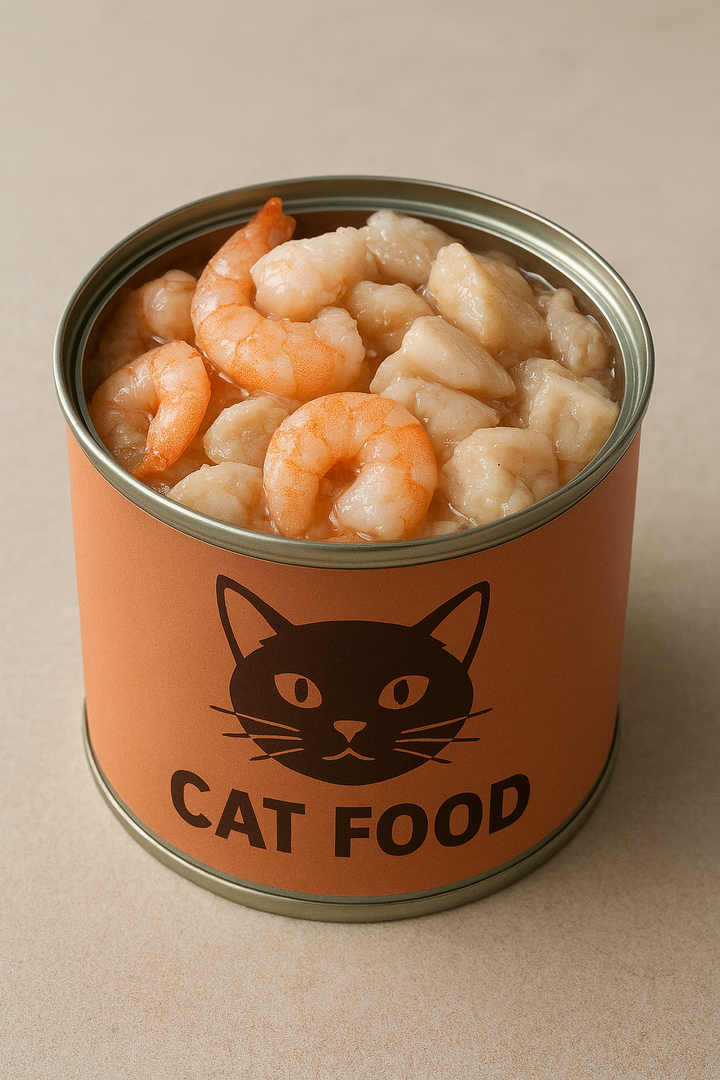
Shop cat staples: Cat Food.
2) Use toppers strategically (not constantly)
Toppers can help transitions and hydration, but you don’t want to train your cat to “hold out” for the good stuff.
3) Treats = training tools
Use treats for carrier practice, nail trims, and confidence-building—not as an all-day snack bar.
Explore more cat picks: We Love Cats.
How to switch foods (the calm way)
- Days 1–3: 75% old / 25% new
- Days 4–6: 50% old / 50% new
- Days 7–10: 25% old / 75% new
- Then: 100% new
Tip: If your cat has a sensitive stomach, slow it down.
Bonus: reduce stress around meals
- Feed in a quiet spot
- Use a consistent schedule
- Separate multi-cat households during meals
Adventure Gear plug (for travel + routine)
If you travel with your cat—or even just do vet trips—having the right gear makes feeding routines easier on the go.
Browse: Pet Adventure Gear.
CTA
Ready for a calmer feeding routine? Start with a clean staple and build from there: Shop Cat Food.