The “Why” Behind Natural Cat Nutrition
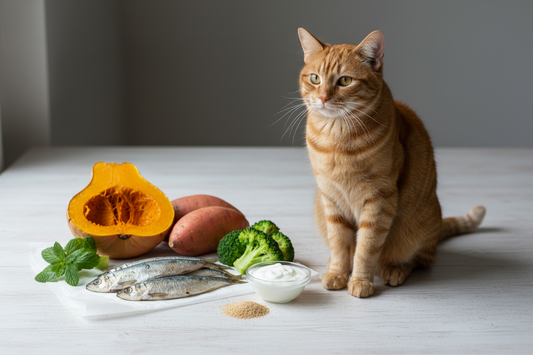
Cats aren’t small dogs—they’re true carnivores. That means their bodies are built to run on animal-based protein, moisture-rich meals, and simple, clean ingredients. When you choose a more natural approach (fewer fillers, fewer artificial additives, more real-food nutrition), you’re supporting the things families care about most: steady energy, comfortable digestion, a glossy coat, and fewer “mystery” issues like itching or inconsistent stools.
At Walnut Creek Pets, we’re big believers in fresh-first, transparency-first feeding. You don’t need to be perfect. You just need a plan that’s realistic for your household and kind to your cat’s body.
What “Natural” Really Means (and What It Doesn’t)
“Natural” is one of the most overused words in pet food. Here’s what we recommend focusing on instead:
-
Clear, recognizable ingredients (especially the first 5)
-
Named animal proteins (chicken, turkey, salmon—rather than vague “meat”)
-
Minimal fillers (corn syrup, heavy dyes, unnecessary binders)
-
Appropriate life-stage nutrition (kitten vs adult vs senior)
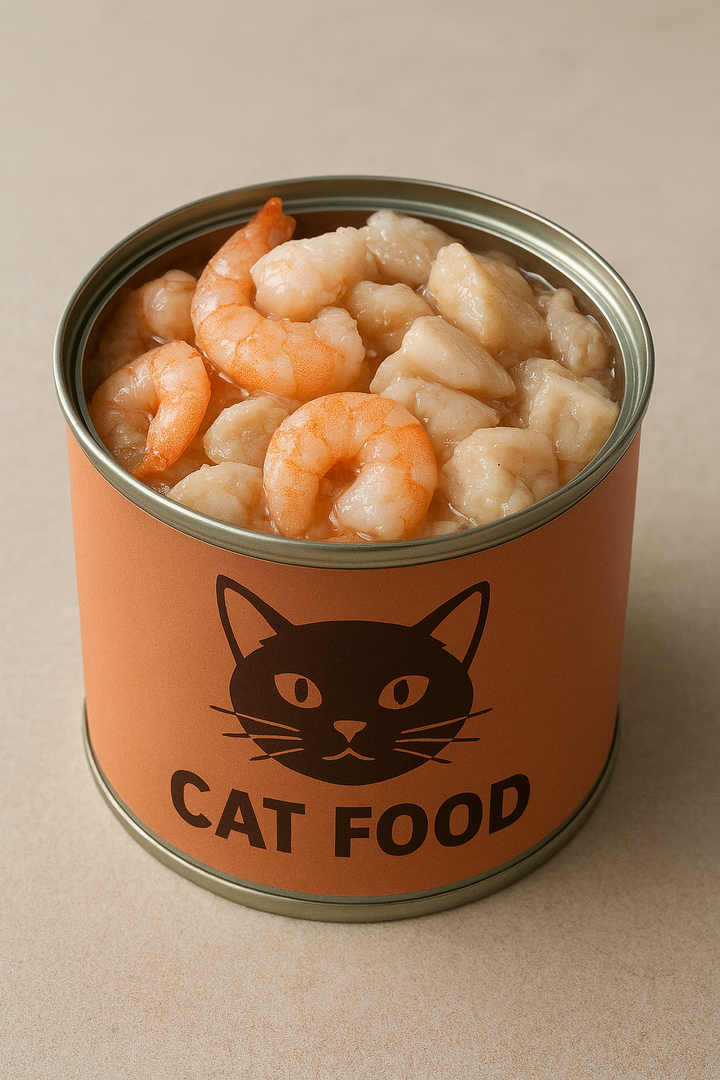
If you want a simple starting point, browse your options in our Cat Food collection and compare ingredient panels side-by-side.
-
Shop Cat Food: https://walnutcreekpet.com/collections/cat-food
The Foundation: Protein + Moisture + Consistency
1) Prioritize animal-based protein
Cats need protein not just for muscle, but for everyday body function. If your cat is active, growing, or recovering from stress, protein quality matters even more.
2) Don’t ignore moisture
Many common cat issues (especially urinary discomfort and constipation) are linked to low moisture intake. Even if your cat eats dry food, you can still support hydration:
-
Offer fresh water in multiple spots
-
Use wide bowls (some cats dislike whisker contact)
-
Add water or broth (cat-safe) to meals when appropriate
3) Keep changes slow and predictable
Cats are routine-lovers. Fast diet changes can cause food refusal or tummy upset.
Feeding by Life Stage: What to emphasize
Kittens (0–12 months): growth and brain support
Kittens need more calories and nutrients per pound than adults.
Natural approach tips:
-
Choose kitten-appropriate formulas when possible
-
Feed smaller meals more often
-
Watch stool quality as you introduce new proteins
Adult cats (1–7 years): maintenance + weight stability
This is where many cats quietly gain weight.
Natural approach tips:
-
Measure portions (even a “little extra” adds up)
-
Keep treats small and ingredient-clean
-
Add daily play for metabolism support (more on that below)
Seniors (7+ years): digestion, joints, and appetite changes
Older cats may eat less, lose muscle, or become pickier.
Natural approach tips:
-
Focus on highly digestible proteins
-
Warm food slightly to boost aroma
-
Ask your vet about kidney-friendly nutrition if needed
A Gentle 10-Day Transition Plan (that actually works)
If your cat is switching foods, try this slow blend:
-
Days 1–3: 75% old + 25% new
-
Days 4–6: 50% old + 50% new
-
Days 7–9: 25% old + 75% new
-
Day 10+: 100% new
Pro tip: If your cat refuses the new food, don’t panic—step back one stage and move slower.
“My Cat Is Picky”—Try This Before You Give Up
Picky eating is often about texture, smell, stress, or past experiences.
Try these natural, low-drama fixes:
-
Warm the food slightly (10–15 seconds) to enhance aroma
-
Offer a smaller portion more frequently
-
Keep the bowl away from loud appliances or busy hallways
-
Use a shallow dish to reduce whisker stress
And don’t forget: enrichment affects appetite.
-
Add daily play with Cat Toys: https://walnutcreekpet.com/collections/cat-toys
A Simple Daily Routine for Healthy, Happy Cats
Here’s a realistic “family schedule” that supports nutrition without turning your day upside down:
-
Morning: measured meal + fresh water refresh
-
Midday: 5–10 minutes of play (wand toy, chase, puzzle)
-
Evening: meal + calm-down routine
-
Night: cozy sleep space to reduce stress
A secure sleep spot can make a surprising difference for anxious or sensitive cats.
-
Shop Cat Bedding & Caves: https://walnutcreekpet.com/collections/cat-bedding-and-caves
Quick Myth-Busting
-
Myth: “Cats can live fine on dry food alone.”Truth: Some do, but many benefit from more moisture support.
-
Myth: “Grain-free is always better.”Truth: It depends on the cat. Ingredient quality matters more than buzzwords.
-
Myth: “If my cat begs, they’re hungry.”Truth: Sometimes they’re bored. Add play and routine first.
Call to Action
If you’re ready to simplify feeding and feel confident about what’s in the bowl, start with our curated collections:
-
Cat Food (More options): https://walnutcreekpet.com/collections/cat-food-copy
-
Cat Toys (for healthy appetite + enrichment): https://walnutcreekpet.com/collections/cat-toys
CTA: Build a fresh-first routine this week—shop natural cat essentials and give your cat the comfort of clean, species-appropriate nutrition.