Why Dogs Need a “Decompression Walk” After Busy Days

Some dogs bounce back quickly after a hectic day. Others come home from a busy environment and act “wired,” restless, or unusually clingy. Many pet parents assume their dog needs more exercise or more training in that moment.
But often, what a dog really needs is a decompression walk.
A decompression walk is not about perfect heeling, strict structure, or covering a certain distance. It’s a low-pressure, low-demand walk designed to help your dog’s nervous system settle after stimulation.
What counts as a “busy day” for a dog?
A busy day isn’t only a big event like a road trip. For many dogs, “busy” can mean:
- Visitors at the house
- A vet or groomer appointment
- A loud neighborhood walk
- A dog park visit
- A training class
- A long car ride
- A day with lots of deliveries, construction noise, or new smells
Even fun stimulation can be a lot. Dogs process the world through their senses, and that sensory load adds up.
Why decompression matters
Dogs don’t just get tired in their muscles. They also get tired in their brains.
After a high-stimulation day, some dogs struggle to “turn off.” They may pace, whine, mouth at hands, bark more, or have trouble settling. That doesn’t always mean they need more activity. Sometimes it means they need the right kind of activity.
A decompression walk helps by giving your dog a safe, predictable way to:
- Sniff and explore at their own pace
- Move their body without pressure
- Release tension through natural behaviors
- Transition from “on” mode to “rest” mode
What a decompression walk looks like
A decompression walk is simple, but it’s intentionally different from a training walk.
A good decompression walk usually includes:
- A slower pace
- More sniffing time
- Fewer cues and corrections
- A quieter route (when possible)
- Gentle, steady movement
It’s less about “getting steps” and more about giving your dog space to be a dog.
Sniffing is the point
Many people rush their dog past the sniffing because they want to keep moving. But sniffing is one of the most calming, regulating activities a dog can do.
Sniffing helps dogs gather information, feel oriented, and process what’s happening around them. When you allow sniffing, you’re giving your dog a natural way to settle their mind.
A simple routine that supports calmer evenings
If your dog tends to get extra restless at night after a busy day, a decompression walk can be a game-changer. It can help create a smoother transition from stimulation to relaxation.
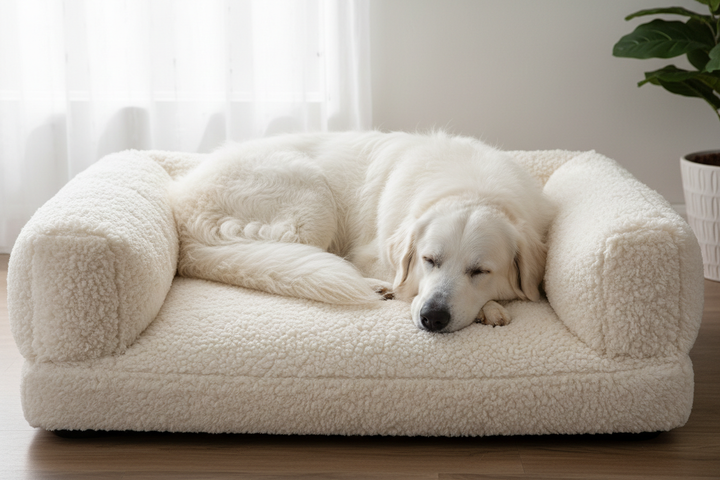
Pair it with a calm home routine (fresh water, a quiet space, and a predictable wind-down) and many dogs settle more easily.
Final thoughts
Dogs need decompression walks after busy days because the goal isn’t always more exercise—it’s nervous system recovery. A low-pressure walk with plenty of sniffing can help dogs process stimulation, release tension, and feel more grounded.
At Walnut Creek Pets, we’re big believers in practical, real-life routines that support the whole pet—not just the checklist. If your dog has big days, a decompression walk can be one of the simplest ways to help them end the day calmer and more comfortable.