Why Dogs Need a “Yes Space” at Home

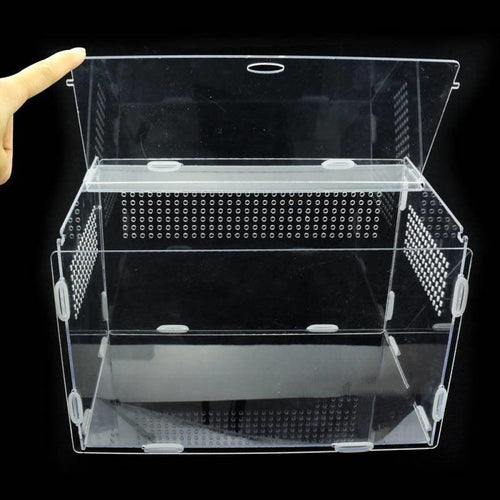
- A puppy-proofed room
- A gated area of the house
- A playpen setup
- A crate + exercise pen combo
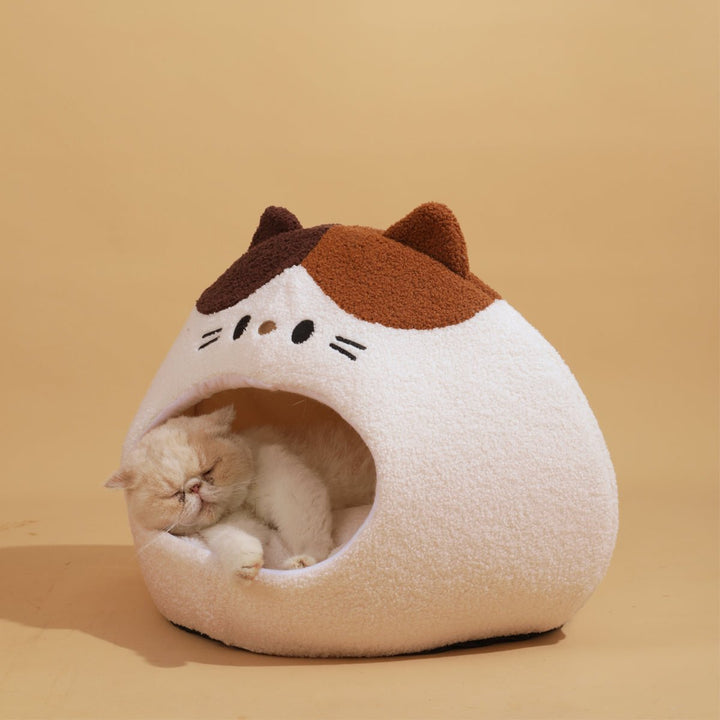
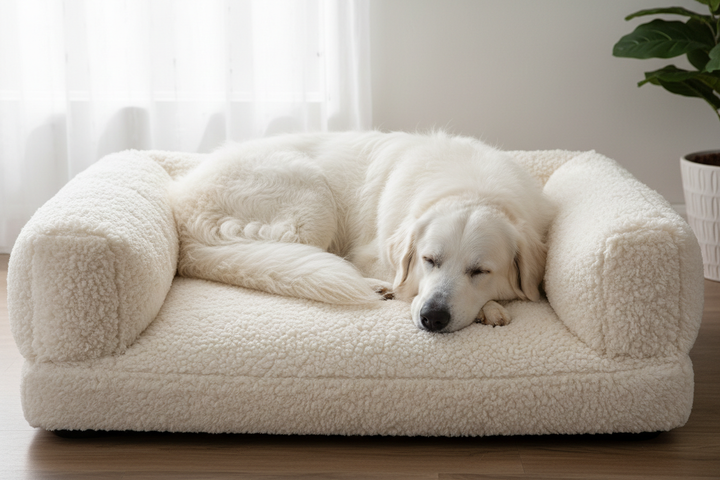
- A cozy corner with a bed, water, and enrichment
The point isn’t to isolate your dog. It’s to give them a predictable place where they can relax and make good choices.
Why “no” all day creates stress
Dogs learn through repetition. If a dog spends the day getting redirected—off the rug, away from the trash, away from the kids’ toys, away from the front window—they don’t just learn rules. They can also build frustration.
A yes space reduces that friction. Instead of constantly interrupting your dog, you’re proactively setting up the environment so the right behavior is the easy behavior.
A yes space supports calmer behavior
When dogs have a safe place to settle, they often:
- Relax faster
- Bark less from overstimulation
- Chew appropriate items more consistently
- Pace less
- Get into fewer “naughty” habits
This is especially helpful for:
- Puppies who explore with their mouths
- Adolescent dogs who struggle with impulse control
- Newly adopted dogs adjusting to a new home
- Busy family homes with lots of movement
What to include in a good yes space
A yes space doesn’t need to be fancy. It needs to be functional.
Consider including:
- Fresh water
- A comfortable bed or mat
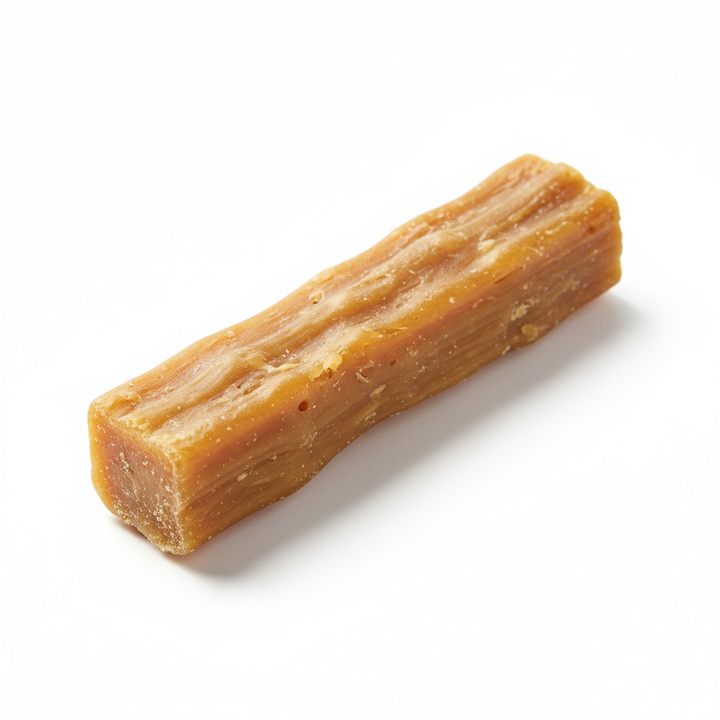
- A few safe chew options
- A lickable enrichment option (when appropriate)
- A toy rotation (not 20 toys at once)
- A calm corner away from constant foot traffic
If your dog is still learning, it also helps to remove temptation:
- Shoes
- Kids’ toys
- Food wrappers
- Anything you don’t want chewed
It’s not “giving in”—it’s smart training
Some people worry that creating a yes space is “spoiling” their dog or avoiding training. It’s the opposite.
A yes space helps training stick because your dog isn’t practicing unwanted behaviors all day. It gives you a clean baseline:
- You can reward calm behavior more easily
- You can introduce freedom gradually
- You can prevent habits before they become patterns
It’s one of the most practical ways to make daily life smoother while your dog learns.
Final thoughts
Dogs need a yes space at home because it reduces stress, prevents problem behaviors, and creates a clear place where your dog can relax and succeed.
At Walnut Creek Pets, we’re big on realistic routines that work for real families. A yes space is one of those small changes that can make your home feel calmer—and help your dog feel more secure, too.