Introduction
Hamsters are small, adorable, and full of personality but they're not set it and forget it pets. With the right setup, hamsters can be an amazing first pet for families and a genuinely fun companion for busy households.
At Walnut Creek Pets, we're a family-owned shop and we're a little obsessed with helping pet parents find wholesome nutrition, enrichment, and habitat essentials without the confusing hype.
This guide breaks down the core hamster needs food, treats, bedding, enclosure setup, and enrichment plus a simple checklist you can use for new hamsters, rescues, or a habitat refresh.
What do hamsters really need?
Think of hamster care in five buckets:
- A safe, spacious habitat: proper enclosure, ventilation, and secure lid
- Comfort + burrowing: deep bedding and a hideout
- Nutrition: balanced diet + fresh add-ins
- Enrichment: wheel, chew toys, tunnels, and foraging
- Clean water + hygiene: fresh water daily and routine spot-cleaning
When these are covered, you'll see more natural behaviors: burrowing, exploring, foraging, and (with patience) gentle interaction.
1) Habitat first: your enclosure matters more than you think
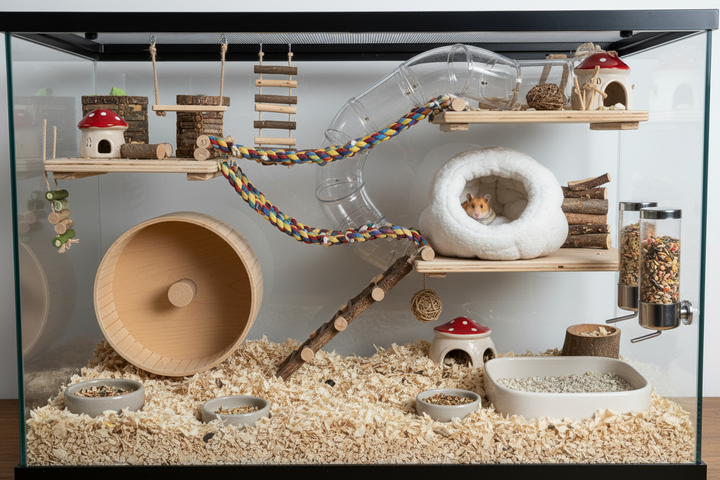
A hamster's home is everything. Many typical pet store cages are simply too small.
What to look for in an enclosure
- More floor space is better (hamsters are active runners)
- Good ventilation (wire tops or well-ventilated bin setups)
- Secure latches (hamsters are escape artists)
- Easy-to-clean design
Bedding depth: the #1 quality-of-life upgrade
Hamsters are burrowers. Aim for deep bedding so they can tunnel and feel secure.
Good bedding options often include paper-based bedding (low dust) and other hamster-safe substrates. Avoid anything that’s overly dusty or strongly scented.
2) Food: balanced base + smart variety
Hamsters do best with a complete, species-appropriate base diet plus small amounts of fresh variety.
A simple feeding approach
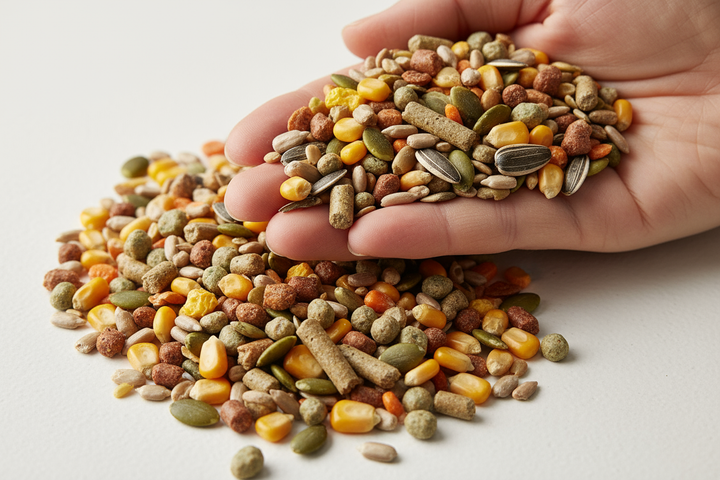
- Base diet: a quality hamster food mix or lab block-style staple
- Fresh add-ins (small amounts): hamster-safe veggies a few times per week
- Protein support (as needed): depends on species, age, and life stage
What to watch for on labels
- Avoid heavy reliance on sugary add-ins
- Look for a mix that supports balanced nutrition (not just colorful fillers)
- Choose brands with clear ingredient lists
Shop link idea: Add an internal link to your critter food collection here: https://walnutcreekpet.com/collections/critter-food-treats-feed
3) Treats: tiny portions, big impact
Treats are great for bonding and enrichment—but hamsters are small, so portions should be very small.
Great ways to use treats:
- Hand-taming: reward calm, curious behavior
- Foraging: hide a few treats in bedding for hunting
- Boredom busters: treat puzzles and scatter feeding
Tip: If your hamster starts ignoring their main food, scale treats back.
4) Water: bottle or bowl (either can work)
Fresh water daily is non-negotiable.
- Water bottles stay cleaner longer but should be checked for clogs
- Heavy bowls can work if your hamster doesn't bury them
Whatever you choose, check it every day.
5) Enrichment: wheel, chews, tunnels, and foraging
Hamsters are wired to move and explore.
Must-have enrichment items
- A properly sized wheel (too small can strain the back)
- Chew toys to support natural chewing
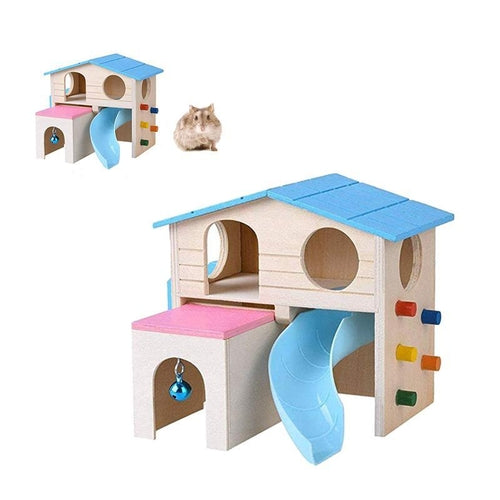
- Tunnels and hides for security and exploration
- Foraging opportunities (scatter feeding is simple and effective)
Shop link idea: Add an internal link to critter toys/accessories here: https://walnutcreekpet.com/collections/critter-toys-and-accessories
Shop link idea: Add an internal link to critter enclosures here: https://walnutcreekpet.com/collections/critter-enclosures
6) Cleaning and maintenance: keep it fresh without stressing your hamster
Hamsters rely on scent to feel safe. Over-cleaning can stress them.
A simple routine:
- Spot clean soiled areas regularly
- Replace bedding gradually when possible (don’t remove all familiar scent at once)
- Wash accessories as needed with pet-safe methods
If you notice a strong odor quickly, it may mean the habitat needs more bedding depth, better ventilation, or a more consistent spot-cleaning routine.
7) Handling and bonding: go slow (and let them lead)
Some hamsters become very friendly, but most need time.
- Start with calm presence and treat offerings
- Avoid waking a sleeping hamster
- Use a cup or tunnel to scoop for safer transfers early on
Patience pays off.
The Hamster Essentials Checklist (save this)
Here’s a simple starter list you can screenshot:
- Spacious enclosure with secure lid
- Deep bedding for burrowing
- Hideout + tunnels
- Properly sized wheel
- Balanced hamster food
- A few treats for taming/foraging
- Chew toys
- Water bottle or heavy bowl
- Spot-cleaning supplies
Need help choosing the right hamster setup?
If you're building a first habitat, upgrading from a small cage, or trying to pick a cleaner food/treat routine, we're here to help.
Browse our critter collections here: https://walnutcreekpet.com/collections/critters
Or reach out anytime through our contact page: https://walnutcreekpet.com/pages/contact