Rabbits are sweet, intelligent, and surprisingly social. But they’re not “low-maintenance starter pets.” A healthy rabbit needs the right diet (mostly hay), enough space to move, and a calm routine that supports their sensitive digestion.
This guide covers the essentials to help your rabbit thrive—from setup to feeding to daily care.
1) Housing: think “room to live,” not “small cage”
Rabbits need space to hop, stretch, and stand fully upright.
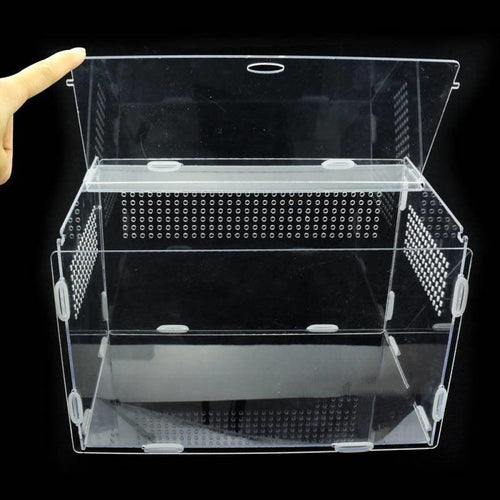
- Choose a large exercise pen (x-pen) or a roomy enclosure with daily free-roam time.
- Provide a non-slip floor (mats or rugs) so your rabbit can move confidently.
- Add a hideout (a box or covered space) so they feel secure.
Tip: If your rabbit can only take 1–2 hops before hitting a wall, the space is too small.
2) Litter training basics (yes, rabbits can do it)
Most rabbits naturally pick a bathroom corner.
- Use a large litter box with paper-based litter (avoid clumping cat litter).
- Put hay in or next to the litter box—many rabbits like to eat while they go.
- Start by placing droppings in the box so your rabbit learns the “right spot.”
Consistency beats scolding. If accidents happen, clean thoroughly and reset the box in the preferred corner.
3) Diet: hay is the foundation (and it’s not optional)
A rabbit’s digestive system is built for constant fiber.
The daily rabbit diet (simple version)
- Unlimited hay (timothy or orchard grass for most adult rabbits)
- Fresh leafy greens daily (introduce slowly)
- High-quality pellets in measured amounts (not free-fed)
- Fresh water always available
Treats: keep them small and simple
Fruits and sugary treats can upset digestion.
- Offer fruit as an occasional treat in tiny portions.
- Skip anything with added sugar, dyes, or mystery ingredients.
Watch-outs: Sudden diet changes can cause GI upset. Introduce new foods gradually.
4) Water: bowl vs. bottle
Many rabbits drink more from a bowl.
- A heavy ceramic bowl is often easiest and encourages natural drinking.
- If you use a bottle, check it daily to ensure it’s working and clean.
5) Enrichment: prevent boredom (and protect your home)
Rabbits need mental stimulation and safe chewing outlets.
- Provide safe chew toys (untreated wood, hay-based chews, rabbit-safe options).
- Rotate enrichment: tunnels, cardboard boxes, paper bags (no glossy ink), and foraging toys.
- Rabbit-proof cords and baseboards—chewing is natural, not “bad behavior.”
6) Grooming: brushing matters more than you think
Rabbits groom themselves, but they can’t safely vomit hairballs like cats.
- Brush regularly, especially during shedding.
- Check nails monthly and trim as needed.
- Keep the rear area clean and dry (especially for long-haired or older rabbits).
If your rabbit is shedding heavily, increase brushing frequency.
7) Handling: build trust first
Many rabbits dislike being picked up because it feels unsafe.
- Sit on the floor and let your rabbit come to you.
- Pet gently on the forehead and cheeks.
- If you must lift, support the chest and hindquarters securely and keep them close to your body.
Never pick up by the ears or scruff.
8) Health: know the red flags (rabbits hide illness)
Rabbits are prey animals, so they often mask symptoms until they’re serious.
Call a rabbit-savvy vet promptly if you notice:
- Not eating or producing droppings
- Very small droppings or diarrhea
- Lethargy, hunched posture, tooth grinding
- Runny eyes/nose, head tilt, balance issues
- Sudden behavior changes
Important: If your rabbit stops eating, it can become an emergency quickly.
A simple daily rabbit care routine
Here’s a quick routine that keeps most rabbits on track:
- Refresh hay and water
- Give greens (and remove leftovers later)
- Quick litter box tidy
- 20–60 minutes of supervised exercise/enrichment
- Quick health check: appetite, droppings, energy
Want to set your rabbit up for long-term health?
We’re big believers in wholesome, species-appropriate care for every kind of pet—including the ones with sensitive tummies and big personalities. Explore our store for rabbit-friendly essentials, enrichment, and clean, simple nutrition support.