Rabbits are gentle, curious companions, but their care needs are often misunderstood. One of the most important parts of rabbit wellness is chewing. It is not just a habit. It is a daily need that supports dental health, mental stimulation, and natural behavior.
If you share your home with a rabbit, giving them safe, appropriate things to chew can help prevent boredom, reduce destructive behavior, and support a healthier life.
Why rabbits need to chew every day
A rabbit's teeth grow continuously throughout life. That means they need regular wear from hay, fibrous foods, and safe chew items to help keep those teeth from becoming overgrown. When rabbits do not get enough natural chewing opportunities, dental issues can develop and may affect eating, comfort, and overall health.
Chewing also helps rabbits express normal instincts. In the wild, rabbits spend much of their time foraging, nibbling, and exploring. Pet rabbits still carry those same natural behaviors, so a well-enriched environment matters.
Signs your rabbit may need more enrichment
Sometimes rabbits show you they need more to do by chewing the wrong things. Watch for signs like:
- Chewing baseboards, furniture, or cords
- Digging or scratching excessively
- Restlessness or pacing
- Loss of interest in toys or surroundings
- Irritability or withdrawal
These behaviors do not always mean something is wrong, but they can point to boredom or a lack of safe outlets.
What rabbits should chew
The foundation of healthy chewing starts with high-quality hay. Hay supports digestion and gives rabbits the steady fiber they need while also helping wear down teeth naturally.
You can also offer rabbit-safe enrichment items such as:
- Untreated grass mats
- Apple wood sticks or other rabbit-safe woods
- Hay-based toys
- Cardboard tubes without heavy ink or glue
- Natural woven chew toys made for small pets
Always choose products designed with rabbit safety in mind, and avoid anything with toxic finishes, artificial fragrances, or small parts that could break off.
What to avoid
Not every chew item marketed for small pets is a good fit for rabbits. Skip items with excessive dyes, sugary coatings, glue-heavy construction, or unsafe wood types. Household items should also be offered carefully, since many common materials are not rabbit-safe.
If you are ever unsure, it is better to choose simple, natural options and check that they are appropriate for rabbits before use.
How to encourage healthy chewing habits
Some rabbits need a little encouragement, especially if they are new to your home or adjusting to a different setup. Try rotating toys, placing chew items near favorite resting spots, or tucking hay into enrichment toys to make them more interesting.
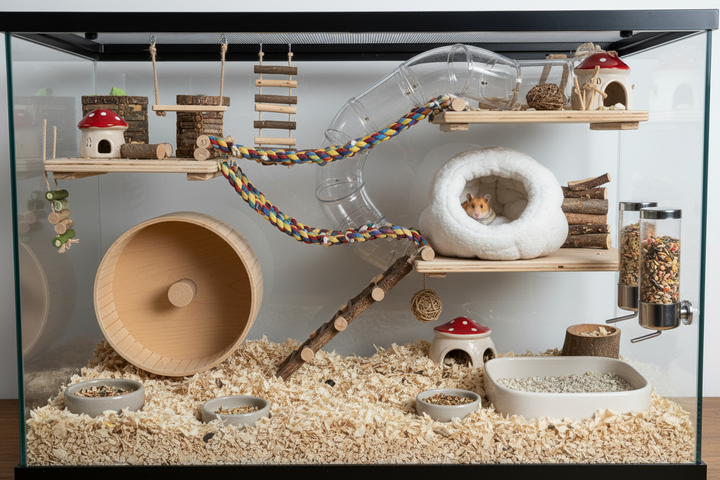
It also helps to create a space where your rabbit can explore safely. The more natural outlets they have for chewing, digging, and foraging, the less likely they are to target things you want to protect.
A healthier, happier rabbit starts with the basics
Rabbit care does not need to feel complicated, but it does need to reflect how rabbits naturally live and behave. Safe chewing opportunities, quality hay, and thoughtful enrichment all work together to support dental health and emotional well-being.
At Walnut Creek Pets, we believe pet care should feel clear, supportive, and rooted in what animals truly need. If you are building a better routine for your rabbit, start with the basics that matter most: wholesome care, safe enrichment, and products you can feel good about bringing home.
Final thoughts
Chewing is not a bad habit for rabbits. It is an essential part of staying healthy. When you give your rabbit safe, natural ways to chew every day, you support better dental health, reduce boredom, and help them live more comfortably.
A well-cared-for rabbit is not just quieter or less destructive. They are more engaged, more relaxed, and better able to thrive in the home you share.