3 Simple Training Tips That Actually Stick (Quick Wins for Pet Owners)

Training doesn’t have to feel complicated—or like you need an hour a day and a pocket full of fancy gear. Most pets learn best with short, clear sessions, consistent rewards, and a plan that grows with them.
Below are three practical training tips you can start today. They’re especially helpful for dogs, but the same learning principles apply to many pets: reward what you want, make it easy first, and build up slowly.
Tip #1: Reward the moment you like (timing beats “better treats”)
One of the biggest reasons training stalls is simple: the reward comes too late.
Pets learn from what happens within 1–2 seconds of the behavior. If your dog sits… and you reach into your pocket… and then you reward, they may think they’re being paid for standing up, looking away, or taking a step forward.
Do this instead:
- The instant your pet does the right thing, mark it with a clear word like “Yes!” (or use a clicker).
- Give the treat right after the marker.
- Keep it short: 5–10 reps, then stop.
Try it today: Ask for “Sit.” The second their butt hits the floor, say “Yes!” and reward. Repeat five times and end on a win.
Tip #2: Make it easy first (then add “real life” slowly)
A common frustration: “My dog knows ‘Sit’… but not when it matters.”
That’s normal. Pets don’t automatically generalize commands to new places and situations. “Sit” in the kitchen is not the same as “Sit” at the front door with guests arriving.
Use the 3 D’s to level up training:
- Distance (you step farther away)
- Duration (they hold the behavior longer)
- Distraction (noise, toys, people, outdoors)
Rule of thumb: Increase only one D at a time. If your pet fails twice in a row, it’s not “stubbornness”—it’s a sign the difficulty jumped too fast.
Try it today:Practice “Sit” in a quiet room. Then move to a slightly busier spot (like near the doorway) and reward faster again.
Tip #3: The “treat magnet” for polite leash walking (no yanking required)
If walks feel like a tug-of-war, start by teaching your dog where you want them—right next to you—before expecting a perfect stroll.
The Treat Magnet Method:
- Hold a treat at your dog’s nose level by your leg (like a magnet).
- Take 1–3 steps.
- Mark “Yes!” and reward at your side.
- Reset and repeat.
As your dog improves, slowly increase the number of steps between rewards.
Pro tip: Reward position, not speed. If they surge ahead, stop moving, wait for them to come back into position, then reward and continue.
Keep it simple: short sessions, big consistency
Training success usually comes from doing the basics well—often for just a few minutes a day.
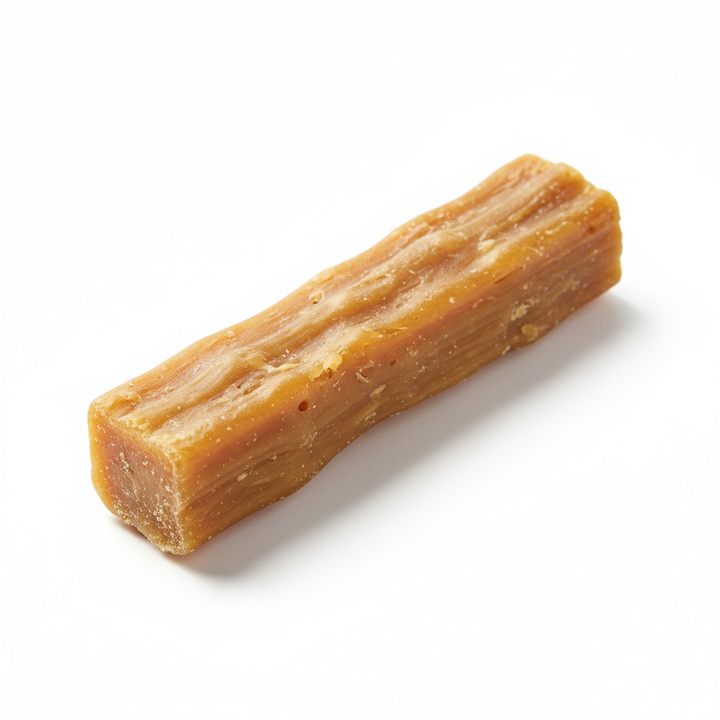
If you want to make training easier, choose rewards that are:
- Small (so you can do more reps)
- High-value (your pet genuinely cares)
- Easy to break (especially for rapid-fire practice)
Want more tips like this?
Explore our store for simple, wholesome training rewards and pet essentials that support everyday routines—so you can spend less time guessing and more time enjoying your pet.