


Long Purple Eggplant Seeds - Solanum Melongena - Non-Gmo Aubergine Asian Vegetable
Long Purple Eggplant Seeds - Solanum Melongena - Non-Gmo Aubergine Asian Vegetable
In stock
Regular price
$6.99 USD
Sale price
$6.99 USD
Regular price
$0.00 USD
Unit price
per
Shipping calculated at checkout.
- Fully secure checkout
- Trusted by thousands
- Rated and reviewed

Want Fast delivery? order by noon to get rolling!
Question about this product?
We're happy to help.
Product Description:
We've got your back! With our live arrival, safe & sound guarantee
Supplier for this item:
Supplier for this item:
Specifications:
Specifications:
Shipping and Return Policies:
Shipping and Return Policies:



Long Purple Eggplant Seeds - Solanum Melongena - Non-Gmo Aubergine Asian Vegetable
Long Purple is an Italian heirloom eggplant that produces dark purple cucumber-shaped fruit with firm mild flesh. This variety produces good yields, especially in northern climates! Plants will typically produce more than 4 fruits of 9" size with harvest beginning in 70 to 80 days.
Eggplant appears to be a very ancient fruit; the earliest references to it can be found in Chinese and Indian records. Though usually considered a vegetable, botanists classify eggplant as a berry. Early varieties of eggplant were named for their resemblance to large white eggs; in Europe, eggplant is usually referred to as aubergine. In medieval times eggplant were called mad apples, because they were thought to induce insanity. Experimental horticulturist Thomas Jefferson included varieties of eggplant in his gardens; at the time, growers used eggplant mostly for decorative purposes. Regions of southern and eastern Asia especially appreciate the eggplant, naming it "king of vegetables" and making it a staple of their cuisine. In addition to the sterotypical purple pear-shape, eggplant comes in all shapes, sizes, and colors.
Sowing: Though gardeners with long growing seasons will be able to direct sow their eggplant seed when the soil reaches 70 degrees F, starting the seed indoors is best in most areas. About 8-10 weeks before the last expected spring frost, plant these long purple eggplant seeds in pots 1/4" deep. Keep them in a sunny window or under a grow light, maintaining a temperature of around 80 degrees. Germination of eggplant can be spotty, and may take several weeks. Keep the seedlings moist and provide organic matter for the best development. Gradually expose them to the elements by leaving the pots outdoors during the day. When the average air and soil temperature reach 70 degrees, or about 3 weeks after the last frost, plant the seedlings in well drained soil in full sun; for fullest growth, allow each plant 2-3' in all directions. Eggplant also grows very well in container gardens; most northern gardeners depend on this method in order to succeed in growing this heat loving plant.
Growing: Eggplant thrives in the full heat of summer; row covers, black plastic, or other methods to conserve heat may be necessary in some climates. If temperatures threaten to fall below 55 degrees F, cover the plants. As soon as the seedlings become established, mulch them to conserve moisture and control weeds. Keep the soil evenly moist, and apply fertilizer or organic matter once monthly.
Harvesting: When the skin of an eggplant begins to take on a high gloss, it is nearly ripe. To test for ripeness, press gently on the skin; if the flesh remains indented, it is ready to be harvested. Eggplant reach their best eating quality at about 1/2 their mature size, since oversized eggplant can turn tough and bitter. For freshest taste, use immediately. If necessary, eggplant can be stored in the refrigerator for up to a week. If the seeds inside begin to turn brown, this indicates that it is overripe. Keep in mind that some parts of the leaves and flowers are poisonous if ingested.
Seed Saving: Because eggplant pollinates itself without the help of insects, cross pollination is not likely; however, separate different varieties by about 40' to guarantee genetic purity. When the fruit is fully ripe, it will drop off the plant; at this stage it will be dull and purplish brown with slightly puckered flesh. Cure for two weeks. Several methods for separating the long purple eggplant seeds from the flesh are effective. Some seed savers grate the bottom portion of the eggplant, which contains the seeds - since the seeds have a protective coating and are very slippery, they will not be damaged. Place the grated mixture in a bowl with water and work it with your fingers; the good seed will sink to the bottom. Another method is to cut the eggplant into 1/2" squares, put them in a blender, and pulse for a few seconds; next, proceed with washing the solanum melongena seeds. Remove the long purple eggplant seeds at the bottom of the container of water to a flat surface, and allow them to dry; store in a cool, dry location for up to five years.
Eggplant appears to be a very ancient fruit; the earliest references to it can be found in Chinese and Indian records. Though usually considered a vegetable, botanists classify eggplant as a berry. Early varieties of eggplant were named for their resemblance to large white eggs; in Europe, eggplant is usually referred to as aubergine. In medieval times eggplant were called mad apples, because they were thought to induce insanity. Experimental horticulturist Thomas Jefferson included varieties of eggplant in his gardens; at the time, growers used eggplant mostly for decorative purposes. Regions of southern and eastern Asia especially appreciate the eggplant, naming it "king of vegetables" and making it a staple of their cuisine. In addition to the sterotypical purple pear-shape, eggplant comes in all shapes, sizes, and colors.
Sowing: Though gardeners with long growing seasons will be able to direct sow their eggplant seed when the soil reaches 70 degrees F, starting the seed indoors is best in most areas. About 8-10 weeks before the last expected spring frost, plant these long purple eggplant seeds in pots 1/4" deep. Keep them in a sunny window or under a grow light, maintaining a temperature of around 80 degrees. Germination of eggplant can be spotty, and may take several weeks. Keep the seedlings moist and provide organic matter for the best development. Gradually expose them to the elements by leaving the pots outdoors during the day. When the average air and soil temperature reach 70 degrees, or about 3 weeks after the last frost, plant the seedlings in well drained soil in full sun; for fullest growth, allow each plant 2-3' in all directions. Eggplant also grows very well in container gardens; most northern gardeners depend on this method in order to succeed in growing this heat loving plant.
Growing: Eggplant thrives in the full heat of summer; row covers, black plastic, or other methods to conserve heat may be necessary in some climates. If temperatures threaten to fall below 55 degrees F, cover the plants. As soon as the seedlings become established, mulch them to conserve moisture and control weeds. Keep the soil evenly moist, and apply fertilizer or organic matter once monthly.
Harvesting: When the skin of an eggplant begins to take on a high gloss, it is nearly ripe. To test for ripeness, press gently on the skin; if the flesh remains indented, it is ready to be harvested. Eggplant reach their best eating quality at about 1/2 their mature size, since oversized eggplant can turn tough and bitter. For freshest taste, use immediately. If necessary, eggplant can be stored in the refrigerator for up to a week. If the seeds inside begin to turn brown, this indicates that it is overripe. Keep in mind that some parts of the leaves and flowers are poisonous if ingested.
Seed Saving: Because eggplant pollinates itself without the help of insects, cross pollination is not likely; however, separate different varieties by about 40' to guarantee genetic purity. When the fruit is fully ripe, it will drop off the plant; at this stage it will be dull and purplish brown with slightly puckered flesh. Cure for two weeks. Several methods for separating the long purple eggplant seeds from the flesh are effective. Some seed savers grate the bottom portion of the eggplant, which contains the seeds - since the seeds have a protective coating and are very slippery, they will not be damaged. Place the grated mixture in a bowl with water and work it with your fingers; the good seed will sink to the bottom. Another method is to cut the eggplant into 1/2" squares, put them in a blender, and pulse for a few seconds; next, proceed with washing the solanum melongena seeds. Remove the long purple eggplant seeds at the bottom of the container of water to a flat surface, and allow them to dry; store in a cool, dry location for up to five years.
-
Live Fish
& more
all types ++ healthy and fast
-
Live
Plants
-
Cultures
& Meds
Bacteria, meds, colony cultures
-
Aquatic
Feed
Live Feed Too!
-
Reef
& more
all types ++ healthy and fast
-
Aquarium
Filtration
Media, Pumps, Parts
-
Aquarium
Features & DecoMedia, Pumps, Parts
-

Bird Cage & Enclosure
Cozy Clouds & Supportive Orthopedic Options
-
Bird Food & Feeds
Live Feed Too!
-
Bird accessories
Chews
& Perches
-

Wild Birds and Outdoor Aviary
-
Everything for Birds
-
Cat
Posts
& Pads
Scratch Away!
-
Cat
Shelter
Beds and Hideouts
-
Cat
Toys
Stimluate, Enrichment
-
Cat
Food
Delicious, Whole
-

Cat
Clothing
& CostumesCozy and Cute
-
Critter Enclosures
-
Critter
Bedding -
Critter
Feed
-
Critter
Toys &
Accessories
-
Dog Beds
Cozy Clouds & Supportive Orthopedic Options
-

Dog Clothing & Outerwear
-

Dog Leash, Harness, Tag
Great Toys And Gift Sets Await!
-
Dog Food
Wholesome & Healthy Foods & Treats
-
Dog Treats
Wholesome & Healthy Foods & Treats
-

Dog Toys
Great Toys And Gift Sets Await!
-
Terrariums
Moss and bedding,vines and branches, logs, bark sections, cork, waterfall supplies, dividers, UV lights, Heat lamps, Basking Lights, heated rocks, Foggers, Misters, Aerators and more!
-
Toys and accessories
All your Herp has been hoping for! ++ hammocks hides feeders and more
-
Garden
Snails
learn More about your creatures -
Real Feed For your Reptiles & Amphbians
Foods For Reptiles & Amphibians, Live Feed Too!
-
Frogs
Care & Habitat, Live Feed, Live Feed Farm, and Other Specialty Items
-
Turtles
Care & Habitat, Whole Natural Foods, Basking, Docks, Care, Filtration, Supplements, Feeds, Medicine, and more!
-
Snakes
Habitat, Care, Live Feed Farming, and Other Accessories
-
Lizards
From Anole to Monitors, we've got the goods for their care
-
Care Guides
learn More about your creatures -
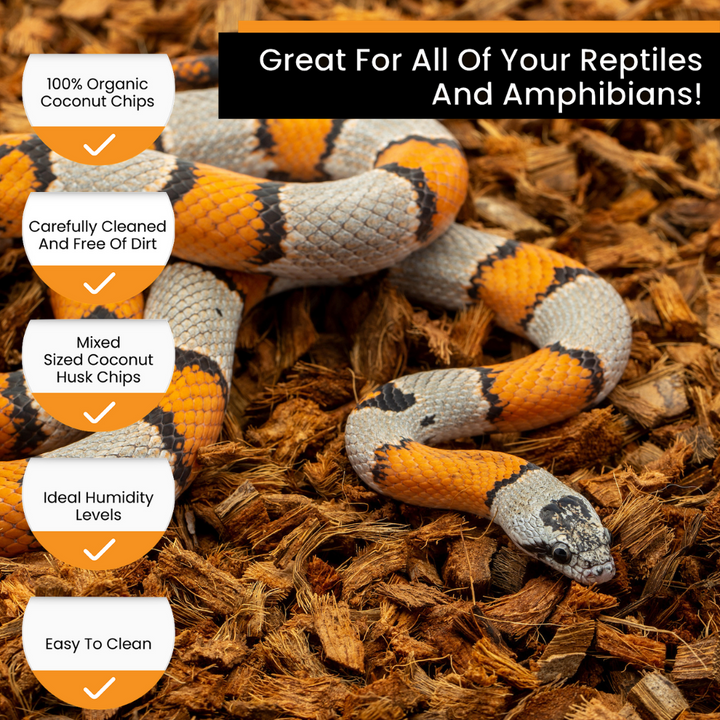
Organic Terrarium Supplies
Moss and bedding,vines and branches, logs, bark sections, cork, waterfall supplies, dividers, UV lights, Heat lamps, Basking Lights, heated rocks, Foggers, Misters, Aerators and more!
-
Hermit Crab
Supplies
learn More about your creatures

Jump to:
Other Pet Types
-
Hermit Crab
all the supplies for everyones favorite starter pet, the Hermit Crab! The...
Hermit Crab
83 products -
Pet Snails
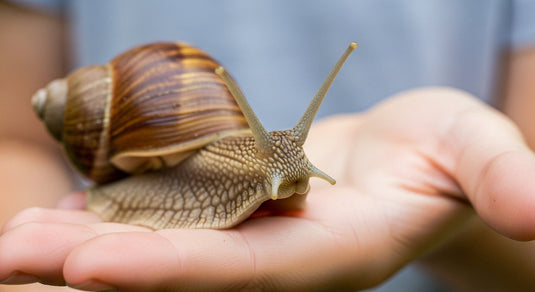
all the supplies for everyones favorite starter pet, the Garden Snail! The...
Pet Snails
46 products -
Reptiles & Amphibians
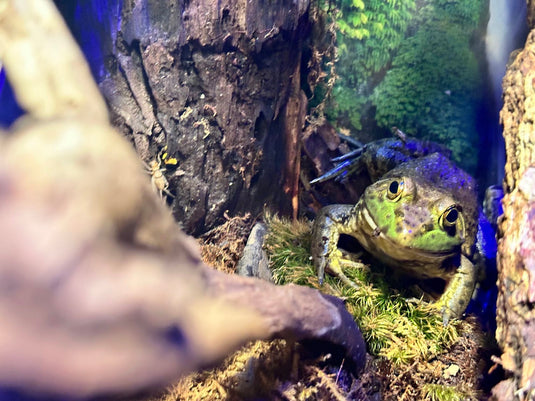
Welcome to We Love Herps – Your Habitat Hub for Reptiles &...
Reptiles & Amphibians
1316 products -
Reef Supplies
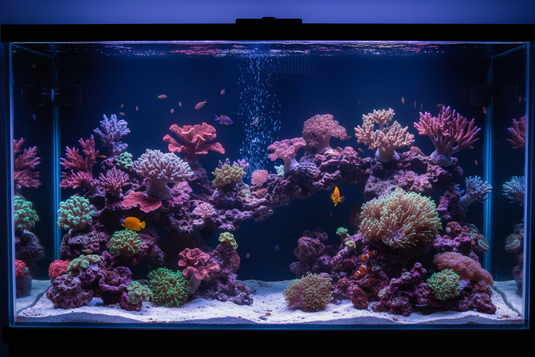
Bringing you the best in specialty reef tank supplies and equipment, we...
Reef Supplies
91 products -

Wild Birds! - Large Flocks Too!
Wild Birds are a critical part of our ecosystem! Providing homes, nesting...
Wild Birds! - Large Flocks Too!
343 products


Walnut Creek Pet - WCP Cats!
-

Cat Nutrition Guide: Building a Species-Appropriate Diet From the Ground Up
The Obligate Carnivore Foundation The phrase "obligate carnivore" means that...2 min readCare Guide -

Cat Dental Health: Why It Matters, What to Watch For, and How to Help at Home
How Common and How Serious Periodontal disease affects an estimated...2 min readCare Guide -

Indoor Cat Enrichment: A Simple Weekly Plan That Keeps Cats Happy and Out of Trouble
Boredom is the root cause of most indoor cat behavior...2 min readCare Guide -

Freeze Dried Cat Food: What It Is, Why It Matters, and How to Feed It
Cats are obligate carnivores. Their bodies are designed to derive...2 min readCare Guide -

Why Your Cat Needs a Water Fountain (And How to Choose the Right One)
Most cat owners do not realize their cat is chronically...3 min readCare Guide -

Kitten Nutrition Plan: 3 Age Based Feeding Stages for New Owners
Vet backed age based kitten nutrition with clear meal schedules...13 min readen -

Why Cardboard Boxes Are So Appealing to Cats
If you have ever brought home a package only to...3 min readcat -
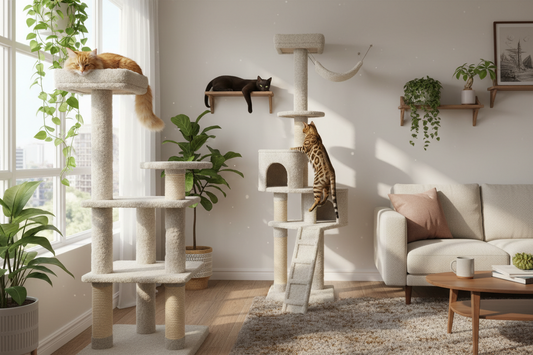
Why Cats Need Vertical Space at Home
Cats do not experience a home only at floor level....3 min readcat -
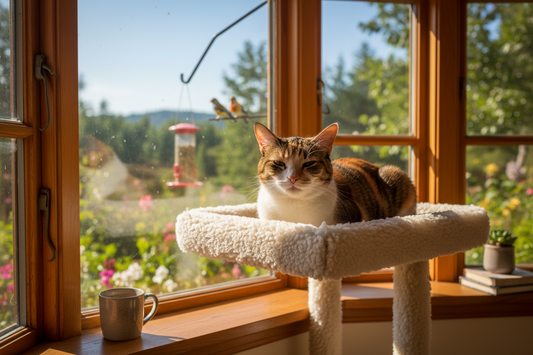
Why Window Watching Is Healthy Enrichment for Indoor Cats
Cats may spend hours perched by a window, quietly watching...3 min readcat -

Cat Clothing & Costumes: Cute, Yes—But Here’s How to Keep It Safe and Stress-Free
Cute should never come at the cost of comfortSome cats...1 min readCat -

Cat Harness & Leash Basics: A Safe, Stress-Low Way to Explore Outdoors
Yes—some cats love walks (when it’s done right)Harness training can...1 min readcat enrichment -
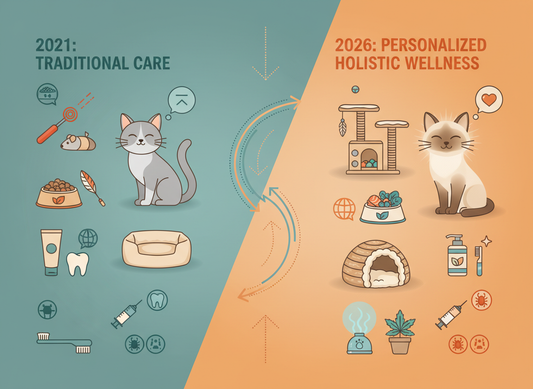
What’s Changed in Cat Vet Care (2021–2026): Vaccines, Parasite Prevention & a More Personalized Approach
Cat Care Has Changed — In a Good Way (2021...3 min readcat health -
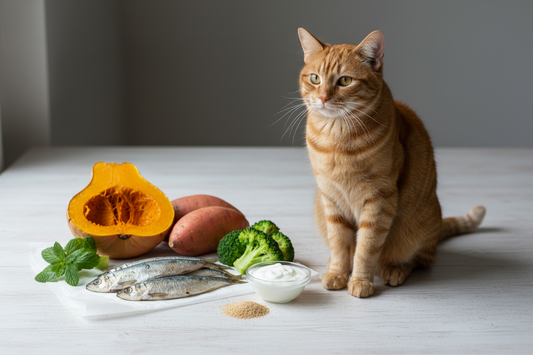
Cat Wellness Trends 2026: Freeze-Dried Raw, Gut Health & Clean Ingredients-Whats Worth It?
The Big Shift: Wellness Is Getting More Practical In 2026,...3 min readcat wellness -
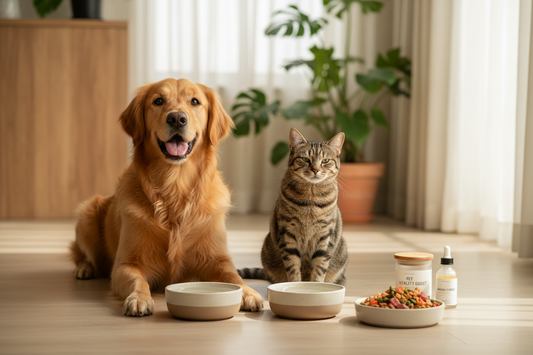
The Natural Cat Nutrition Playbook: Fresh-First Feeding for Every Life Stage
The “Why” Behind Natural Cat Nutrition Cats aren’t small dogs—they’re...3 min readcat nutrition -

Stop the “Bored Cat” Cycle: A Simple Toy Rotation Plan That Boosts Enrichment
Most cats don’t need more toys—they need a better systemIf...1 min readcat enrichment -

Cat Food Basics: A Natural-First Plan for Picky Eaters (Without Overcomplicating It)
Cat nutrition doesn’t have to be a guessing gameIf you’ve...1 min readcat food -

Cat Caves & Bedding: The Cozy Setup That Reduces Stress (And Helps Cats Sleep Better)
Comfort is a health tool for catsCats don’t just like...1 min readcat bedding


Articles from our team - WCP Blogs!
-

Dog Anxiety: Natural Approaches That Actually Calm Stressed Dogs
Understanding Dog Anxiety Anxiety in dogs manifests differently depending on the trigger and the individual dog. Generalized anxiety shows up...2 min readAnxiety -

Puppy Care Essentials: Nutrition, Socialization, and the First-Year Checklist
Nutrition: The Foundation Is Laid Early Puppies grow rapidly — many breeds double or triple their birth weight in the...2 min readCare Guide -

Senior Dog Care: Nutrition, Joint Support, and the Vet Visits That Actually Matter
When Is a Dog "Senior"? The general threshold is 7 years for most breeds, but this varies significantly by size....2 min readCare Guide -

How to Use Freeze Dried Treats for Dog Training: High-Value Rewards That Actually Work
Not all training treats are created equal, and the difference between a mediocre reward and a high-value one is the...3 min readCare Guide -

AirTag Dog Collar: How GPS and Tracking Technology Keeps Dogs Safe
Every dog owner knows the cold drop in the stomach when a dog slips a leash, bolts through a cracked...2 min readCare Guide -

Lick Mats for Dogs: How This Simple Tool Reduces Anxiety and Slows Feeding
The lick mat is one of the most underrated enrichment tools in a dog owner's kit. Inexpensive, easy to use,...2 min readCare Guide -

Why Paw Care Matters: A Guide to Dog Paw Cleaners, Balms, and Between-Walk Maintenance
Your dog's paws are the interface between the outside world and your home. Every walk deposits pollen, pesticides, road salt,...2 min readCare Guide -

How to Keep Your Dog Cool in Summer: Dog Cooling Mats and Hot-Weather Essentials
Heat stress in dogs escalates faster than most owners expect. Dogs cannot sweat through their skin the way humans do...3 min readCare Guide -
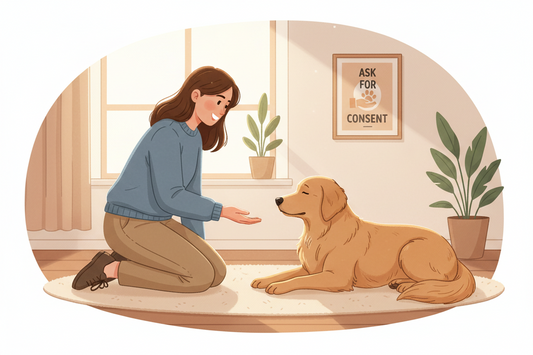
Why Dogs Need “Consent Checks” During Handling
Most dog owners handle their dogs all day without thinking twice: petting, hugging, wiping paws, clipping nails, checking ears, putting...3 min read -

Why Dogs Need a “Yes Space” at Home
If you’ve ever found yourself saying “no” all day—no jumping, no chewing, no barking at the window, no stealing socks—you’re...3 min read -

Why Dogs Need a “Decompression Walk” After Busy Days
Some dogs bounce back quickly after a hectic day. Others come home from a busy environment and act “wired,” restless,...3 min read -

Why Some Dogs Love Carrying Toys Around the House
Some dogs do not just play with toys. They proudly parade them from room to room, carry them during greetings,...3 min readdog-blog-posts -

Why Some Dogs Love Shredding Toys and Cardboard
If your dog seems determined to tear apart toys, boxes, or paper, it can be frustrating at first. But shredding...3 min readdog-blog-posts -

Why Sniffing Walks Matter for Dogs
For many dog owners, a walk is all about movement. The goal is often to cover distance, burn energy, and...3 min readdog-blog-posts -

Is Raw Right for Your Dog? Busting the Myths Around Raw Diets
A Walnut Creek Pets Q&A for Curious Pet Parents Thinking about switching your dog to a raw diet? You’re not...1 min readDog Food -

Dog Nutrition 101: Giving Your Pup the Best Start (Naturally)
A Walnut Creek Pets Guide to Wholesome Dog Nutrition Dogs are family—and just like us, they thrive on real, wholesome...1 min readDog -

5 Years of Change: How Veterinary Guidance on Dog Wellness Is Evolving
Introduction: A New Era in Dog Wellness Veterinary care for dogs is rapidly evolving. Over the last five years, vets...2 min readDog Bed -
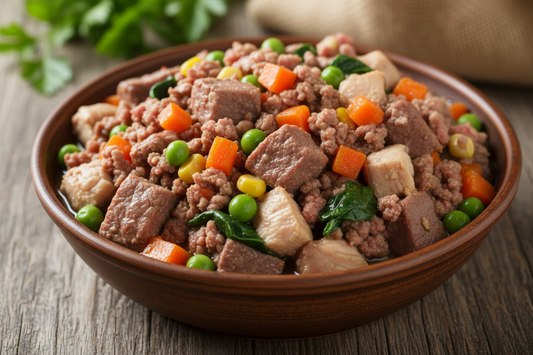
The Rise of Raw & Gut-Healthy Dog Diets: What Every Pet Parent Should Know
Why Raw and Gut Health Are Trending In recent years, more dog owners have embraced raw feeding and gut-friendly diets...2 min readdog wellness -
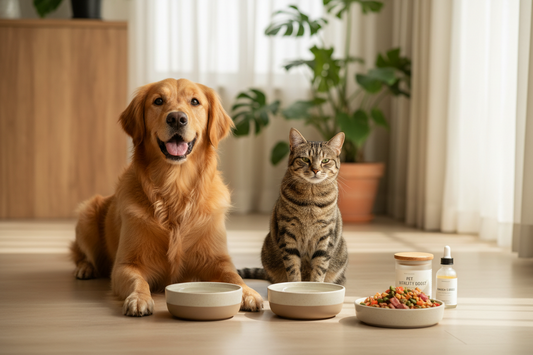
Nourishing Your Dog Naturally: The Ultimate Guide to Organic Dog Nutrition
Tags: dog nutrition, organic dog food, natural pet care, healthy dogs, pet wellness
Why Organic Nutrition Matters
Feeding your dog isn’t just about filling a bowl—it’s about fueling their adventures, health, and happiness. More pet parents are turning to...
-

Dog Harness, Collar & Tags: A Safety-First Fit Guide (Plus Outdoor Adventure Tips)
Fit is safetyA well-fitted harness and secure ID aren’t just “gear”—they’re accident prevention. For family dogs who go on walks,...1 min readdog collar -

Dog Beds: How Better Sleep Supports Joints, Mood, and Family Harmony
Sleep is a wellness multiplierDogs that sleep well often recover better, move better, and behave better. A supportive bed isn’t...1 min readdog beds -
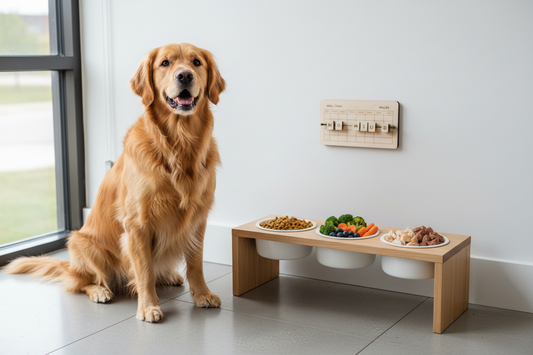
How to Build a Natural Dog Food Rotation (Without Upsetting Your Dog’s Stomach)
Variety is great—when you do it gentlyMany families want to add more variety and “real food” energy to their dog’s...1 min readdog food -

Interactive Dog Toys: A Simple Enrichment Plan That Reduces Boredom (and “Bad” Behavior)
Enrichment is behavior preventionMany “behavior problems” are really unmet needs: boredom, stress, and too much unused energy. Interactive toys give...1 min readboredom -
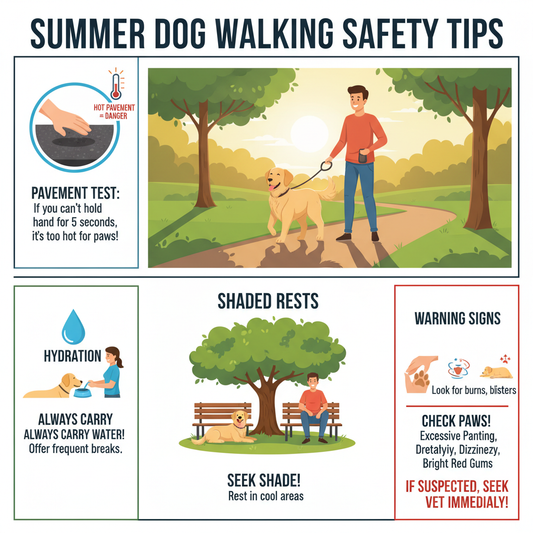
Hot-Weather Walks: A Family Checklist for Safe Summer Outings (Hydration, Paws, and Cool-Down)
Summer Walks Should Feel Fun — Not Risky When temperatures climb, the biggest risks for dogs are dehydration, overheated paws,...3 min readactive dog


