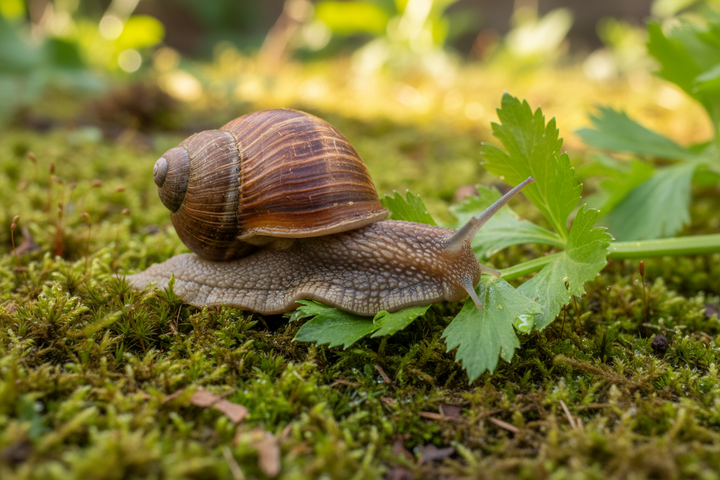
Pet snails are quiet, fascinating little companionsand when their habitat is set up correctly, theyre surprisingly easy to care for. The key is consistency: stable humidity, safe foods, and a clean home.
This beginner-friendly guide walks you through the essentials so your snail can thrive (not just survive).
1) Choose the right habitat (and keep it secure)
Snails are stronger climbers than most people expect.
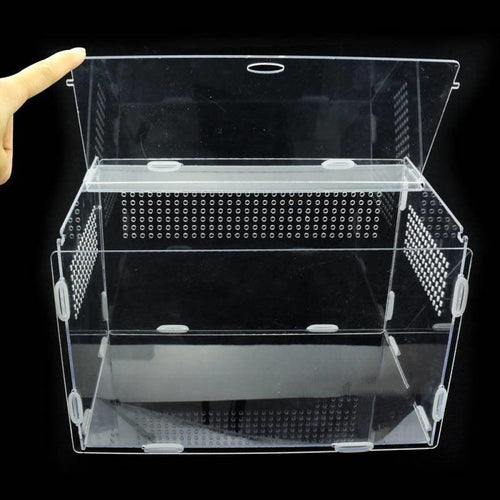
- Use a glass or plastic tank with a tight-fitting lid and good ventilation.
- Bigger is better: more space helps keep humidity and temperature stable.
- Avoid sharp decor or rough gravel that can damage a snails soft body.
Quick check: If you can fit a fingertip through a gap, your snail may be able to escape.
2) Substrate: the foundation of a healthy enclosure
Your substrate holds moisture and supports natural burrowing.
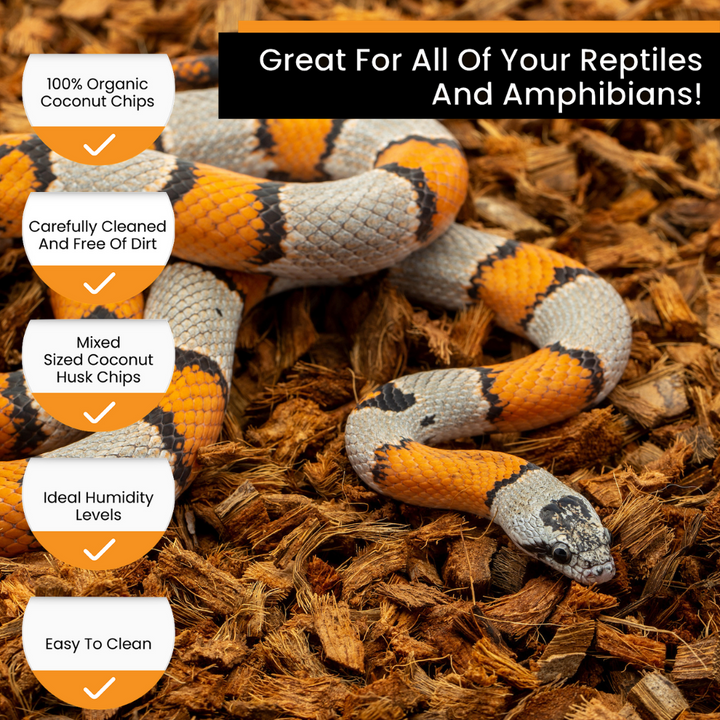
- Choose a chemical-free, moisture-holding substrate (commonly coconut fiber/coir).
- Keep it damp, not soggy. Standing water can lead to mold and stress.
- Provide enough depth for burrowing (especially for larger species).
Avoid: Anything with fertilizers, pesticides, or strong fragrances.
3) Humidity and temperature: stability matters most
Most pet snails do best with moderate-to-high humidity and steady temps.
- Mist the enclosure as needed to maintain humidity.
- Use a hygrometer (and thermometer if possible) so youre not guessing.
- Keep the tank out of direct sun and away from heating/cooling vents.
Tip: If your snail is sealing itself in often or staying inactive, double-check humidity and temperature first.
4) Feeding: simple, fresh, and calcium-forward
Snails are generally happy with a rotation of fresh vegetables and occasional extras.
Good everyday options (variety is your friend):
- Leafy greens (romaine, spring mix, dandelion greens)
- Cucumber, zucchini, squash
- Carrot (thin slices)
Go easy on: Fruit (its sugarythink of it as a treat)
Calcium is non-negotiable
Calcium supports shell health. Without it, shells can become thin, brittle, or deformed.
- Offer a constant calcium source like cuttlebone or a snail-safe calcium option.
- Make sure its always available, not just once in a while.
5) Water: safe hydration without drowning risk
Snails need moisture, but deep water dishes can be dangerous.
- Use a very shallow dish (or a damp moss area) for hydration.
- Keep water clean and refresh regularly.
- If your local tap water is heavily treated, consider dechlorinated water.
6) Enrichment: give them things to explore (gently)
Snails benefit from a naturalistic setup.
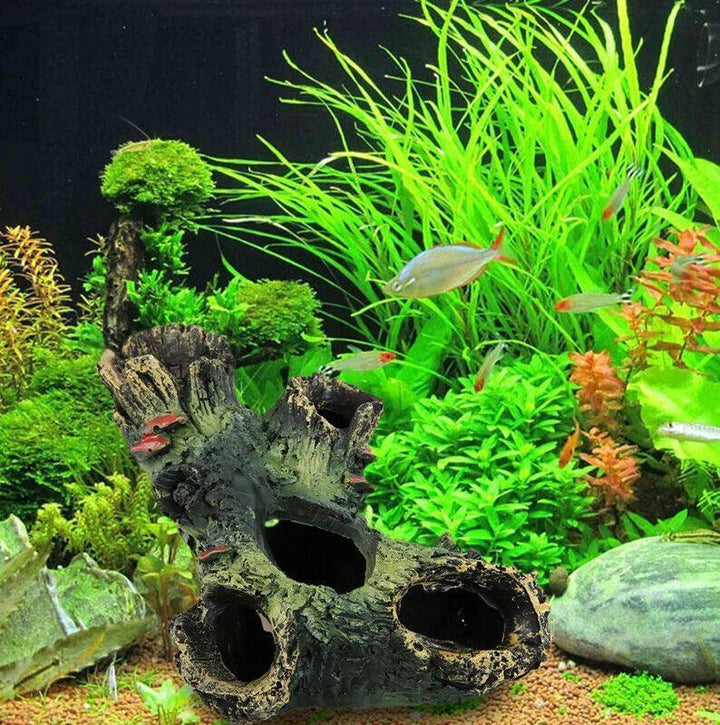
- Add hides (cork bark is popular), soft plants, and safe climbing surfaces.
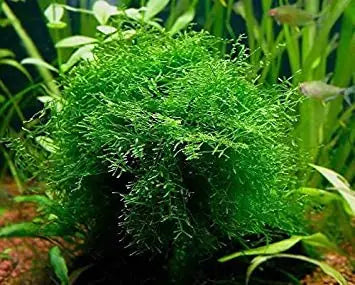
- Include leaf litter or moss for texture and humidity support.
- Keep decor stable so nothing can fall and injure them.
7) Cleaning: keep it fresh without over-sanitizing
A clean enclosure helps prevent mold and keeps your snail comfortable.
- Remove uneaten food daily (especially moist foods).
- Spot-clean waste and wipe condensation buildup as needed.
- Do deeper cleanouts on a schedule, but avoid stripping the habitat too often.
Important: Skip harsh cleaners. If you must clean surfaces, use hot water and rinse thoroughly.
8) Handling: less is more
Snails are delicate.
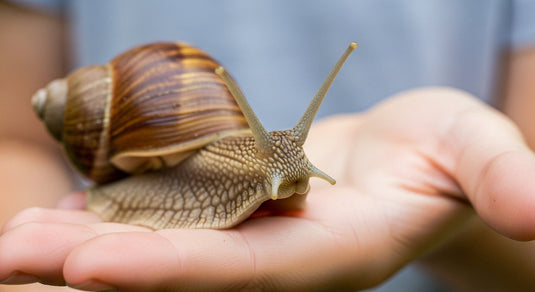
- Handle only when necessary.
- Wash hands first (no soap residue, lotion, or sanitizer).
- Never pull a snail off glassencourage it to move onto your hand instead.
9) Signs your snail may need a setup change
Snails are subtle communicators. These are common red flags that something in the environment is off:
- Cracked, thinning, or chalky-looking shell
- Long periods of inactivity (outside normal rest)
- Repeatedly sealing themselves in
- Strong odor or visible mold in the enclosure
If you see these, start by checking humidity, temperature, and calcium availability.
A simple daily snail care routine
If you like checklists, heres a quick routine that works for many setups:
- Mist lightly if needed
- Replace any old food
- Make sure calcium is available
- Quick spot-clean
- Enjoy a few minutes of observation (its the best part)
Want to build a snail setup thats simple and safe?
Were big believers in wholesome, species-appropriate care for every kind of petincluding the tiny, overlooked ones. Explore our store for habitat essentials and enrichment that help you create a calm, healthy home.