Bringing home a reptile can be one of the most rewarding first exotic pet experiences—quiet, fascinating, and surprisingly bond-forming. But the real secret to success isn’t luck or a “cool enclosure.” It’s understanding the ongoing monthly cost so you can keep your pet warm, well-fed, and stress-free year-round.
Below are beginner-friendly reptiles many families do well with, plus honest monthly cost ranges (and what makes those costs go up or down).
Before we talk species: what you pay for every month
Most reptile costs fall into a few buckets:
- Food (insects, frozen/thawed feeders, salads, prepared diets)
- Supplements (calcium, vitamins)
- Utilities (heat + UVB lighting)
- Substrate & cleaning (paper towels, liners, bedding, disinfectant)
- Replacement items (UVB bulbs, thermostats/hygrometers, hides)
One-time setup costs (tank, fixtures, thermostats) can be higher than the monthly cost. This post focuses on monthly “keep them thriving” expenses.
1) Leopard Gecko (Eublepharis macularius)
Why it’s beginner-friendly: Hardy, handleable, doesn’t require high humidity, and eats common feeder insects.
Typical monthly cost: $15–$40/month
Monthly breakdown (typical):
- Feeders (crickets/Dubia/mealworms): $10–$30
- Calcium + vitamins: $2–$6
- Substrate/cleaning: $3–$8
- Electricity: $2–$10
What makes the cost change:
- Dubia roaches can cost more than crickets, but many owners find them cleaner and more convenient.
- If your home runs cold, heating costs rise.
2) Crested Gecko (Correlophus ciliatus)
Why it’s beginner-friendly: No live insects required every day (many thrive on quality prepared gecko diets), and they often do well at typical room temps.
Typical monthly cost: $10–$30/month
Monthly breakdown (typical):
- Prepared diet (CGD): $6–$18
- Occasional insects/fruit treats: $2–$8
- Substrate/cleaning: $2–$6
- Electricity (if supplemental heat needed): $0–$8
What makes the cost change:
- Bioactive setups can increase ongoing costs (plants, cleanup crew, soil refresh).
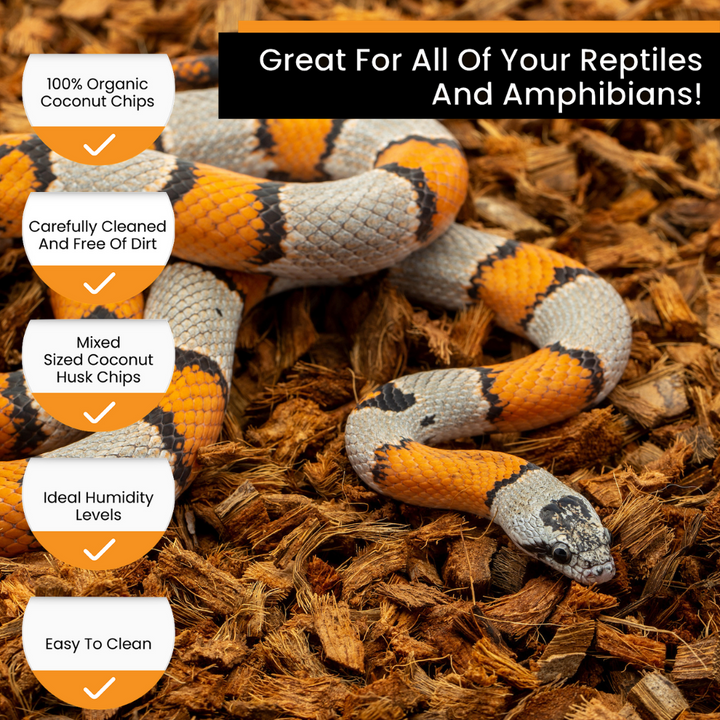
3) Corn Snake (Pantherophis guttatus)
Why it’s beginner-friendly: Calm temperament, straightforward care, and eats frozen/thawed rodents.
Typical monthly cost: $10–$35/month
Monthly breakdown (typical):
- Frozen/thawed feeders: $6–$25
- Substrate: $3–$8
- Electricity (heat): $1–$8
What makes the cost change:
- As your snake grows, feeder size increases.
- A thermostat is non-negotiable for safety (more of a setup cost, but it prevents expensive mistakes).
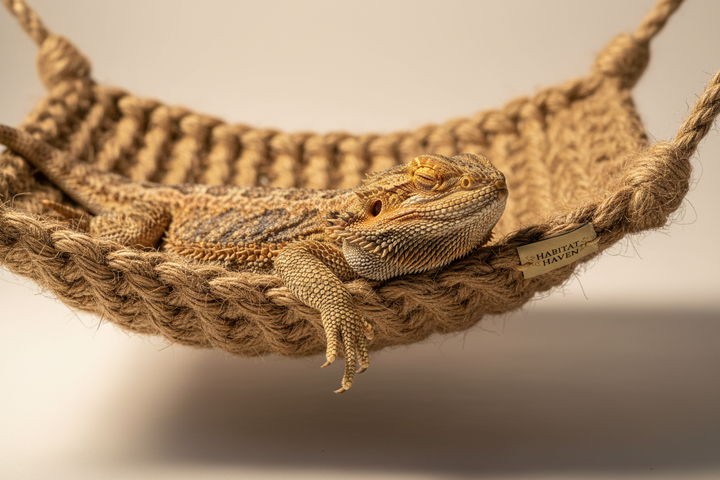
4) Bearded Dragon (Pogona vitticeps)
Why it’s beginner-friendly: Friendly, interactive, and great for families—but they have higher ongoing food and lighting needs.
Typical monthly cost: $40–$120/month
Monthly breakdown (typical):
- Insects (especially juveniles): $25–$90
- Greens/veg: $10–$25
- Supplements: $3–$8
- Electricity (heat + UVB): $5–$20
What makes the cost change:
- Juveniles eat a lot of insects.
- UVB bulbs need replacing on schedule (often every 6–12 months depending on bulb type/brand).
5) Russian Tortoise (Testudo horsfieldii)
Why it’s beginner-friendly: Tough, long-lived, and mostly herbivorous.
Typical monthly cost: $25–$70/month
Monthly breakdown (typical):
- Greens/hay/veg: $15–$45
- Calcium: $2–$6
- Substrate/cleaning: $5–$12
- Electricity (heat + UVB): $3–$15
What makes the cost change:
- Indoor enclosures in colder climates increase heating costs.
- Outdoor time (when safe and appropriate) can reduce lighting needs.
A quick “most affordable” summary
|
Species |
Typical monthly cost |
Best for |
|
Crested Gecko |
$10–$30 |
Low-odor, smaller spaces, simple feeding |
|
Corn Snake |
$10–$35 |
Calm, predictable feeding schedule |
|
Leopard Gecko |
$15–$40 |
Hands-on beginners who want an insect eater |
|
Russian Tortoise |
$25–$70 |
Herbivore fans, long-term commitment |
|
Bearded Dragon |
$40–$120 |
Families who want an interactive pet |
Hidden costs people forget (and how to avoid surprises)
- Vet fund: Exotics vets can be limited and more expensive. Even $10–$25/month set aside helps.
- Power outages: Have a plan (heat packs, backup power, safe temporary housing).
- Humidity mistakes: A cheap hygrometer can cost you more later. Measure first, adjust second.
- Impulse upgrades: Many “monthly costs” are really optional upgrades. Start safe and simple, then improve.
How to choose the right beginner reptile for your budget
Ask yourself:
- Do I want to feed insects? If not, consider a crested gecko.
- Am I okay with higher lighting costs? Bearded dragons and tortoises need strong UVB.
- Do I want a weekly feeding schedule? Many snakes are simpler day-to-day.
- How warm is my home in winter? Colder homes usually mean higher heating costs.
A simple next step (so you don’t overbuy)
If you tell us:
- your pet choice (or top 2)
- your room temperature range
- whether you prefer simple or bioactive
…we can help you build a starter shopping list that’s safe, realistic, and budget-friendly.
Ready to start?
Browse our reptile essentials and starter-friendly supplies, or message us for a quick “what do I actually need?” checklist.