Homestead Supplies: What to Stock in Your First Full Season

Most homestead supply lists online are written by people who have been doing this for ten years and have accumulated everything gradually. They are not useful for someone in their first season, staring at a chicken coop that needs bedding and a garden bed that needs amendments and a budget that does not accommodate all of it at once. This list is different. It is organized by what you need first — and what can wait.
If You Have a Backyard Flock
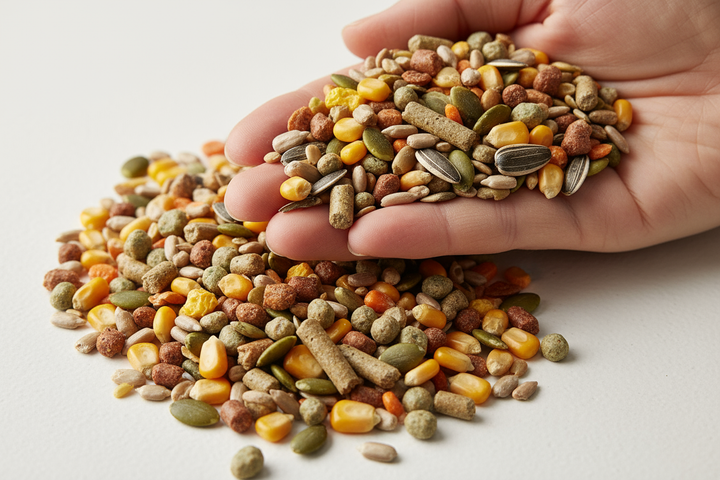
First priority: High-quality layer feed appropriate for your hens' life stage, grit (insoluble granite for digestion), and oyster shell free-choice for laying hens. These three things, consistently available, are the foundation of a healthy flock. Everything else builds on top. If your budget forces a choice between premium bedding and quality organic feed, choose the feed every time.
Second priority: Proper bedding (pine shavings are the most practical — avoid cedar, which has aromatic oils that stress birds' respiratory systems), a good waterer that does not tip or foul easily, and a feeder with enough capacity that birds are not competing. Nipple waterers are worth the upgrade if you are tired of muddy, soiled water.
Third priority: A basic supplement regimen — probiotics and electrolytes during heat stress, a vitamin/mineral supplement during molt, and a coccidiosis prevention plan for chicks. If you are raising birds from chicks, a heat lamp or brooder plate and a chick-specific starter feed are non-negotiable until 6-8 weeks.
If You Have a Kitchen Garden or Market Garden
Soil first, always: A soil test from your local extension service costs under $20 and tells you exactly what your soil needs. Buying amendments without knowing your baseline is expensive guessing. A well-composted soil amendment or quality compost is almost always the right starting point — soil biology is the engine that makes everything else work.
Essential tools: A quality hand trowel, a stirrup hoe, and a broadfork will handle the majority of kitchen garden tasks. Add a soil thermometer if you are starting seeds outdoors — soil temperature determines germination success more reliably than calendar date.
Cover crops: If you have empty beds between seasons, plant a cover crop rather than leaving soil bare. A winter rye and hairy vetch mix fixes nitrogen, improves soil structure, and suppresses weeds with minimal input. Terminate it in spring by cutting and incorporating before it sets seed.
What Can Wait
Fancy chicken coops can wait — a secure, well-ventilated, predator-proof structure matters; aesthetics do not. Elaborate irrigation systems can wait — hand watering teaches you your garden's water needs before you automate. Large livestock can wait until you have a season of smaller-scale experience and your land management practices are established.
Browse our homestead supplies collection for organic chicken feed, poultry care essentials, soil tools, and the real-deal supplies for people who are actually working land. Lancaster County roots, no shortcuts.