Aquarium Starter Kit: Everything You Need to Know Before You Buy

The aquarium hobby has one of the highest dropout rates of any pet keeping activity — and most of it happens in the first three months, before a fishkeeper has had time to find their rhythm. The common causes are predictable: underpowered filtration, an incomplete cycling process, and fish added before the tank is biologically ready. A well-chosen aquarium starter kit addresses two of those three problems before you even bring a fish home.
What to Look for in a Starter Kit
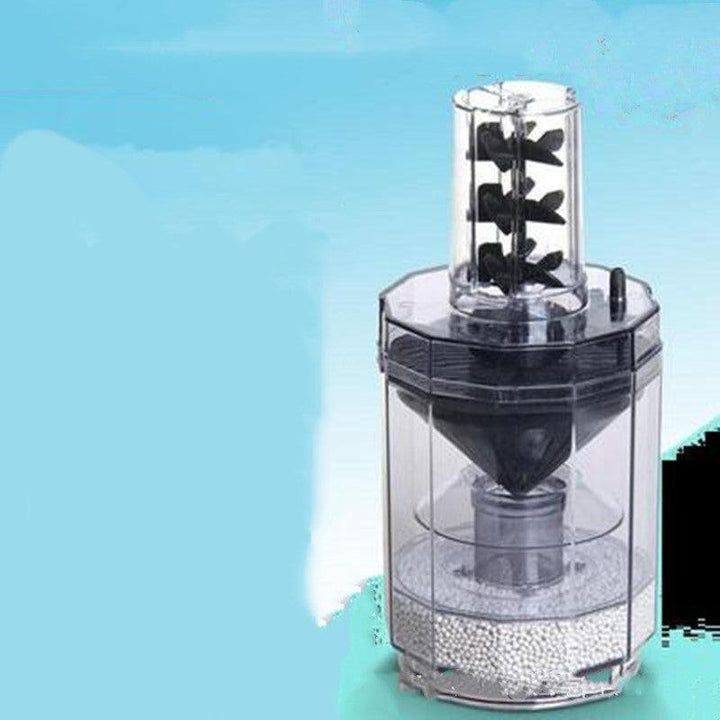
Filtration capacity: The filter in your kit should be rated for at least 1.5 to 2 times the volume of your tank. A 20-gallon tank needs a filter rated for 30-40 gallons minimum. Filtration is the single most important piece of equipment in an aquarium — undersized filters cannot process the bioload of a stocked tank and will result in chronic water quality problems. Look for a hang-on-back filter (HOB) or canister filter — avoid the small internal filters included in many budget kits, which are typically undersized.
Heater quality: If you plan to keep tropical fish (which includes almost everything commonly available), you need a reliable adjustable heater. Cheap heaters stick at temperature and cook fish; quality heaters have a track record of stable operation. A separate thermometer to verify temperature independently is worth the extra few dollars.
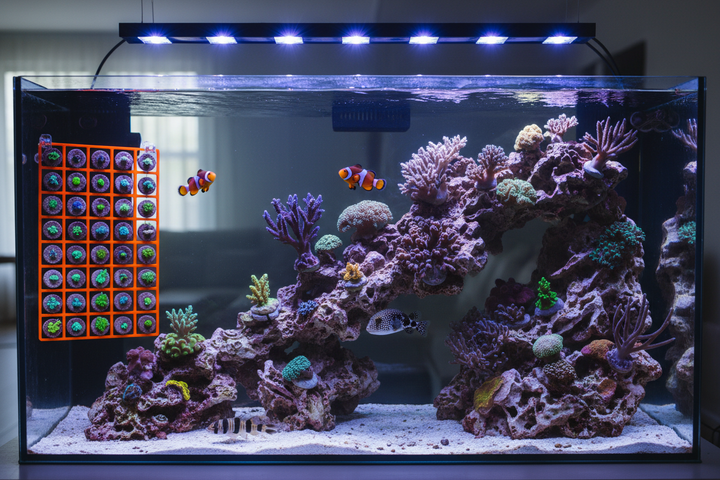
Lighting: For fish-only tanks, most included lights are adequate. For planted tanks — where live plants support water quality and create natural habitat — you need a full-spectrum light in the correct PAR range for plant growth. If you want live plants, verify the kit's light is plant-capable before buying, or budget for a separate fixture.
Tank size: Counter-intuitively, larger tanks are more stable and easier to manage than small tanks. Water chemistry parameters fluctuate more dramatically in small volumes. A 20-gallon tank is a better starting point than a 5-gallon for most beginners.
What Your Kit Will Not Include — But You Need
A liquid water test kit (not strips — they are inaccurate for the precision cycling requires). Beneficial bacteria in a bottle to seed the nitrogen cycle. A water conditioner to neutralize chlorine and chloramines. A gravel vacuum for maintenance. And — most importantly — time: four to six weeks for the tank to cycle before you add fish.
Cycling with a Kit: The Fast Track
Add bottled beneficial bacteria on day one. Run the filter continuously. Add a small amount of fish food every two days to provide an ammonia source. Test water every 3-4 days with your liquid kit. When ammonia and nitrite both read zero and nitrate reads above zero, your cycle is complete. This process takes 2-4 weeks with bottled bacteria versus 4-8 weeks from scratch.
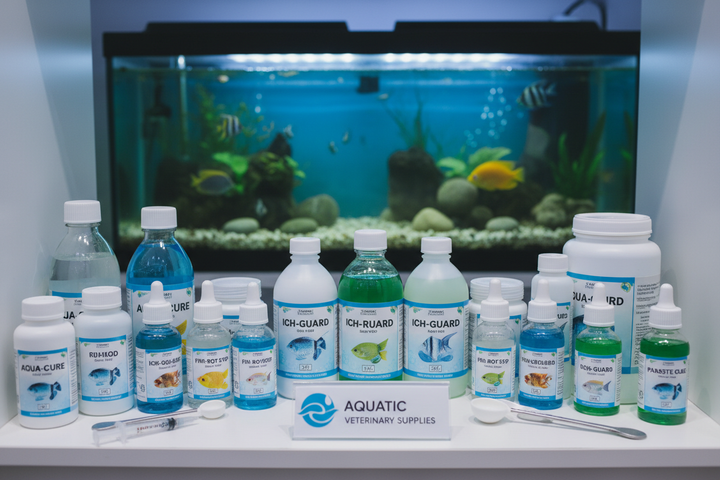
Browse our full aquarium supplies and starter kits collection for complete setups, beneficial bacteria, water chemistry tools, and everything you need to build a thriving first tank. Done right, fishkeeping is one of the most rewarding hobbies available — and it starts with the right foundation.