Betta Fish Care: Tank Setup, Water Quality, and Feeding for a Thriving Betta

Tank Size: Bigger Than You Think
The single most harmful myth in betta keeping is that they thrive in small containers. Bettas in bowls under 2.5 gallons experience chronic ammonia stress, temperature swings, and sensory deprivation that shorten their lives significantly. A 5-gallon heated, filtered tank is the true minimum for a single betta to live well. Browse our aquarium starter kits collection for 5-gallon and larger setups appropriate for bettas.
Water Quality: The Foundation of Betta Health
Bettas need stable water temperature (76-82°F), pH between 6.8-7.4, zero ammonia and nitrite, and nitrate below 20ppm. A cycled, filtered tank achieves all of these. Use a reliable heater (cheap heaters stick and cook fish — invest in a quality adjustable unit) and test water weekly with a liquid test kit. Browse our aquarium water treatment and beneficial bacteria collection for cycling products, water conditioners, and test kits.
Feeding: Less Is More
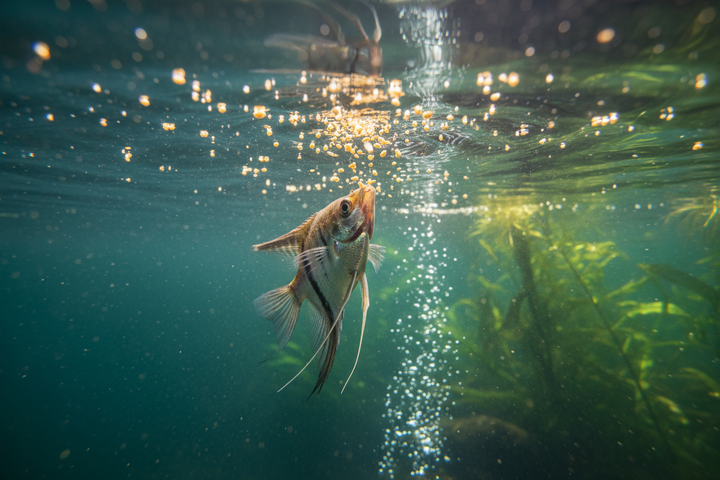
Bettas are carnivores that eat insects and small crustaceans in the wild. A high-protein betta-specific pellet as the staple, supplemented with freeze-dried or frozen bloodworms, daphnia, and brine shrimp 2-3 times per week delivers excellent nutrition. Feed small amounts twice daily — only what the fish eats in 2 minutes. Overfeeding is the fastest way to spike ammonia in a small tank. Browse our fish food and supplement collection for quality betta diets and enrichment foods.
Plants and Enrichment
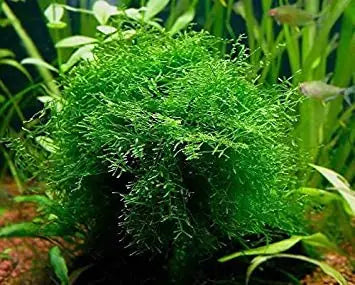
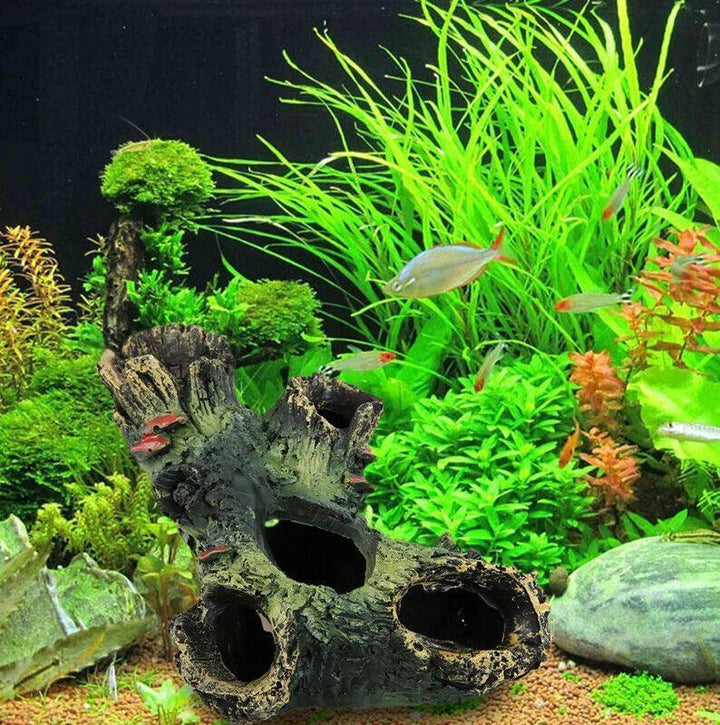
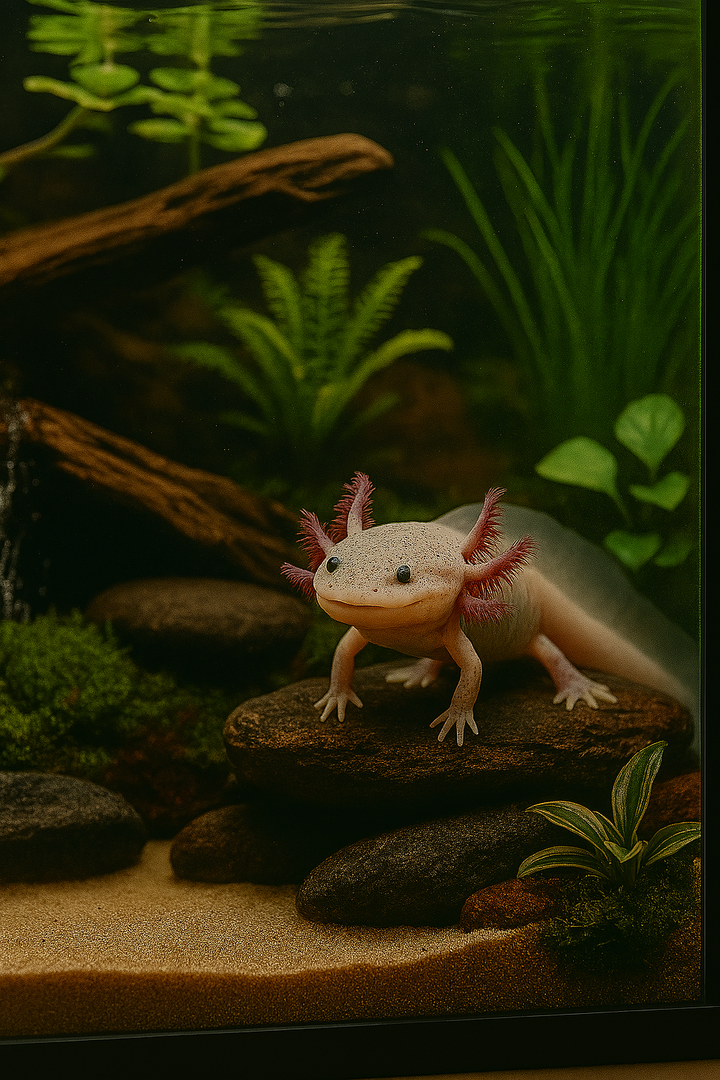
Live plants are highly beneficial in betta tanks — they absorb nitrate, produce oxygen, and provide hiding and resting places that reduce stress. Easy beginner plants include java fern, anubias, and hornwort. Bettas also appreciate floating plants for cover. Browse our live aquarium plants collection for hand-selected aquatic plants appropriate for betta habitats.