Cichlid Fish Care: African vs. South American Species

Cichlids: Bold, Intelligent, and Worth the Effort
Cichlids are intelligent, personable fish with complex behaviors and an almost dog-like ability to recognize their keeper. But understanding the key difference between African and South American species is essential before you start.
African Cichlids
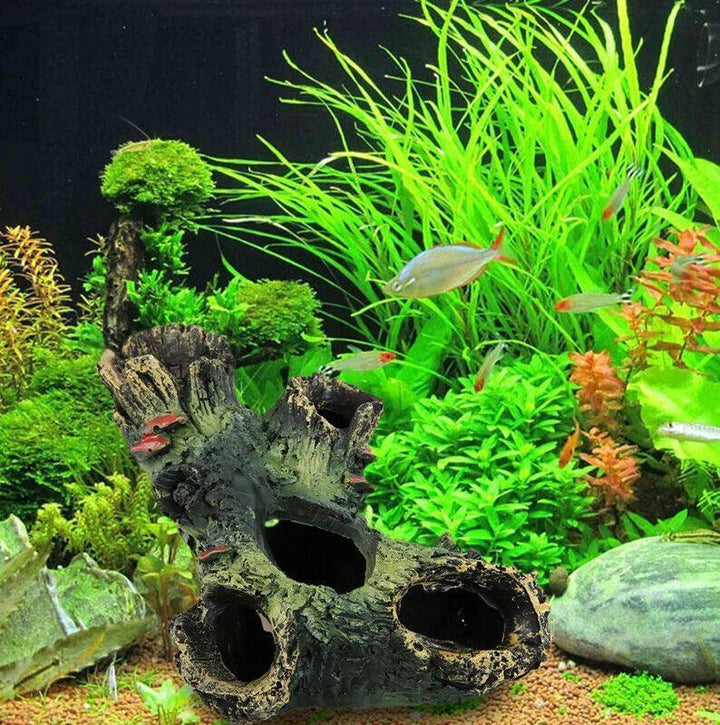
African Rift Lake cichlids (Malawi, Tanganyika, Victoria) need hard, alkaline water: pH 7.8–8.5, hardness 10–20 dGH, temperature 76–82°F. Opposite of most tropicals. Use crushed coral substrate to buffer alkalinity. Stock mbuna tanks densely with heavy rockwork to break sight lines and reduce aggression — overcrowding paradoxically works. Popular species: mbuna, peacock cichlids, frontosa.
South American Cichlids
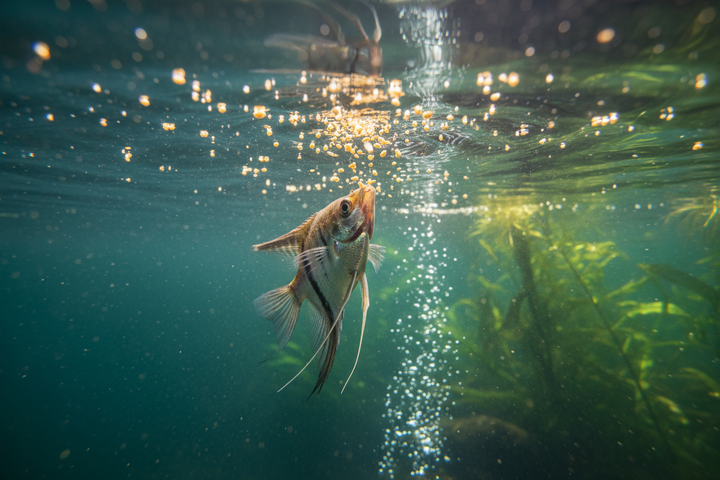
South American species (oscars, angelfish, discus, German blue rams) need soft, slightly acidic water: pH 6.0–7.2, soft to moderately hard, temperature 76–84°F. Angelfish are the classic choice. Oscars grow to 14 inches and need 75+ gallons but have extraordinary personality. German blue rams are small and brilliantly colored. Discus are the crown jewel — demanding but unmatched.
Feeding
African cichlids are primarily herbivores — spirulina-based food prevents bloat. South Americans are more carnivorous — quality pellets and frozen foods. Browse our cichlid fish supplies, freshwater fish collection, and aquarium water chemistry.