9 Low Light Aquarium Plants That Truly Thrive
Choose low light aquarium plants for shaded tanks. Learn placement, fertilizing, and simple ways to prevent common growth problems at home with confidence.

A dim corner of the room, a modest LED, or a tall tank with floating plants does not have to mean a bare aquarium. The right low light aquarium plants can turn those conditions into a healthy, natural-looking habitat while giving fish cover, grazing surfaces, and calmer places to rest.
Low light does not mean no light. Every aquatic plant still needs enough usable light to photosynthesize, plus nutrients and stable water conditions. The good news is that many dependable freshwater species grow slowly, tolerate shade well, and do not demand injected CO2 or a high-powered planted-tank fixture. That makes them a smart fit for community aquariums, beginner setups, and established tanks where the fish are the main attraction.
What Low Light Really Means in an Aquarium
In practical terms, low light is usually a gentle aquarium LED run for a moderate photoperiod, often six to eight hours per day. The exact intensity depends on tank depth, clear-water conditions, floating plants, and how close the fixture sits to the surface. A 10-gallon tank with a small LED is very different from a 24-inch-deep aquarium using the same light.
The goal is not to force fast growth. It is to provide enough light for steady, healthy growth without creating an algae problem. Plants that grow more slowly usually consume nutrients more slowly, too. If a tank receives long hours of bright light but has few plants or inconsistent maintenance, algae can take advantage quickly.
Before choosing plants, consider the livestock. Goldfish, large cichlids, and plant-eating species may uproot, nibble, or rearrange even the toughest greenery. Shrimp, bettas, small tetras, rasboras, and many peaceful community fish often benefit enormously from planted cover.
The Best Low Light Aquarium Plants for Easy Care
These nine plants are popular because they can handle lower-intensity lighting when their basic needs are met. Their growth habits vary, so a mix of attached plants, rooted plants, and floaters usually creates the most balanced aquascape.
Anubias
Anubias is one of the most forgiving choices for low-tech aquariums. Its thick, dark green leaves grow from a horizontal rhizome that must stay above the substrate. Attach it to driftwood, rock, or aquarium-safe décor with thread or a plant tie, and it will gradually establish itself.
Anubias is especially useful in betta tanks and shaded areas beneath hardscape. Because it grows slowly, keep its leaves clean and avoid placing it directly under the strongest part of the light. Algae on old leaves is common when lighting is excessive or maintenance is inconsistent.
Java Fern
Java fern is another rhizome plant that should be attached rather than buried. Its long, textured leaves add height and movement in the middle or back of the aquarium, even under gentle lighting. Mature leaves may produce tiny plantlets along their edges, which can eventually be separated and attached elsewhere.
Java fern is tolerant, but it is not indestructible. Black spots can be normal reproductive structures, while transparent or melting leaves can point to a rough transition, nutrient shortage, or declining older growth. Remove only leaves that are clearly damaged and give new growth time to appear.
Cryptocoryne Wendtii
Cryptocoryne wendtii is a rooted rosette plant that works beautifully in the midground. It comes in green, bronze, and reddish forms, although richer color generally develops under somewhat stronger light. In low light, expect slower growth and a more subdued appearance - still attractive, just less flashy.
Crypts are famous for melting after a move. Their leaves can suddenly break down when water chemistry, lighting, or temperature changes. Do not assume the plant is lost. Leave healthy roots in the substrate, maintain stable conditions, and new leaves often return over the following weeks.
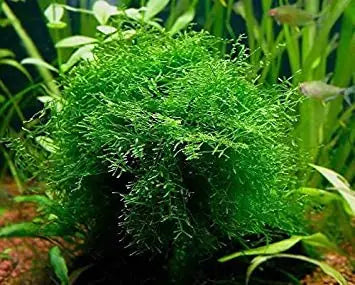
Java Moss
Java moss is a flexible option for shrimp tanks, fry tanks, and natural-style aquascapes. It can be tied to wood or stones, tucked into crevices, or allowed to form a soft green mat. Young fish and baby shrimp use its dense structure for shelter, and microorganisms growing within it provide grazing opportunities.
Low light keeps Java moss manageable, though it still benefits from gentle circulation. Detritus can settle in dense clumps, so lightly swish or trim it during water changes. A neglected mass can collect debris and shade its own lower portions.
Marimo Moss Balls
Marimo are actually round forms of algae, not moss, but they are a charming low-light addition to cool, peaceful freshwater tanks. They need clean water and occasional turning so all sides receive light. Gently rolling them in removed tank water during maintenance helps them keep their shape.
They grow very slowly, which suits aquariums where a tidy, uncomplicated accent is more useful than rapid plant coverage. Avoid hot water and strong direct light, both of which can lead to browning.
Amazon Sword
Amazon swords can tolerate lower light, but they need more root nutrition than Anubias or Java fern. In a deep substrate with regular root tabs, a sword can become a handsome centerpiece or background plant. In a nutrient-poor gravel bed, it may remain small, yellow, or full of holes.
This is a good example of why low light does not always equal low maintenance. A sword may not need injected CO2, yet its large root system needs a dependable nutrient source. Give it room, since mature plants can spread much wider than expected.
Vallisneria
Vallisneria creates tall, ribbon-like leaves that sway in the current and make a tank feel established. It is useful for background planting and for softening filters, heaters, and tank corners. Many varieties can grow under low light, although they often spread more slowly than they would in a brighter planted aquarium.
Plant each crown above the substrate line and avoid moving it repeatedly. Vallisneria commonly sends runners once settled, allowing a small group to become a planted backdrop over time.
Water Sprite
Water sprite can be planted in the substrate or floated at the surface. Floating it is often the easier low-light approach because it sits near the fixture and develops fine, dangling roots that fish enjoy exploring. Bettas and timid community fish often appreciate the softened light it creates.
Its trade-off is speed. In good conditions, water sprite can grow quickly enough to block light from plants below. Thin it regularly and leave open surface space for proper gas exchange and easy feeding.
Hornwort
Hornwort is a fast-growing stem plant that can float freely or be lightly anchored. It is helpful in newer aquariums because rapid growth can absorb available nitrogen compounds, but it can shed needles when adapting to a new tank or changing conditions.
Use hornwort when you want a loose, wild look and are comfortable trimming often. It is less suited to a highly polished aquascape, but it provides excellent cover for fry and nervous fish.
Placement Matters as Much as Plant Choice
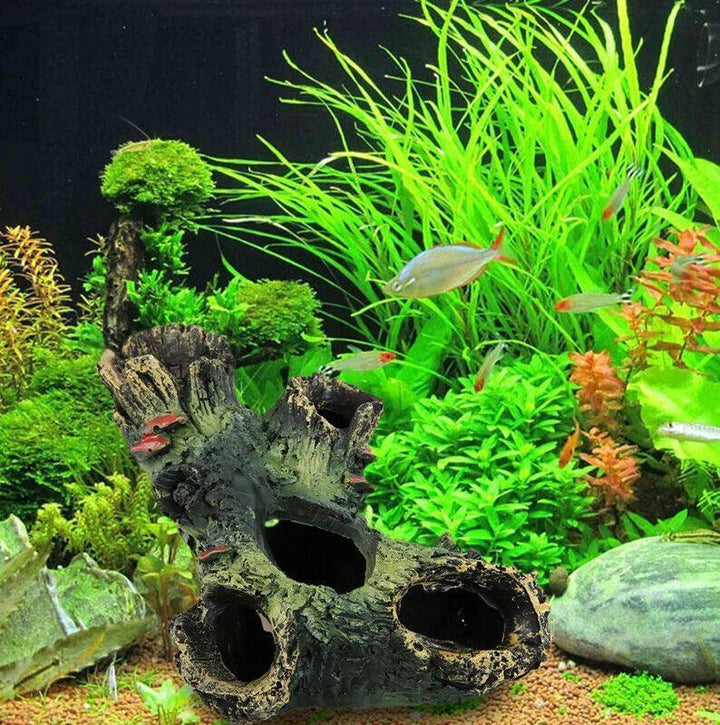
A healthy planted aquarium uses layers. Attach Anubias and Java fern to wood or rock in shaded midground areas. Place Cryptocoryne and swords in the substrate, allowing room for their roots. Set Vallisneria toward the rear, then use water sprite, hornwort, or a small amount of floating cover to soften the surface.
Do not cover every inch of the tank. Fish need swimming lanes, surface-feeding space, and clear access to filtration flow. Plants also need water movement around their leaves so nutrients can reach them and debris does not settle.
Fertilizer, CO2, and the Low-Light Trade-Off
Most low light aquarium plants can grow without injected CO2. That does not mean they can grow without nutrition. Fish waste provides some nutrients, but planted tanks often benefit from a complete liquid fertilizer, especially when leaf growth is pale or stunted. Rooted plants such as swords and crypts may also need root tabs placed near their root zones.
Start lightly. Adding fertilizer before plants are established, or using more than the aquarium needs, can encourage algae. Watch the plants rather than chasing a rigid schedule. New leaves that are small, pale, or distorted may suggest a nutrient issue, while algae-covered leaves often point first to too much light or an overly long photoperiod.
Injected CO2 can accelerate growth, but it also adds equipment, cost, and a need for consistency. For many family community tanks, stable low-tech care is the better choice. A reliable light timer, regular partial water changes, sensible feeding, and patient plant selection go a long way.
A Simple Routine for Healthier Plants
Keep lighting consistent rather than extending it when plants seem slow. Six hours is a sensible starting point for a new setup; increase gradually only if plants need more light and algae remains under control. During weekly maintenance, remove decaying leaves, wipe algae from slow-growing plants, and check that rhizomes have not been buried.
Give new plants time. Many are grown emersed before sale and must replace their old leaves with underwater growth after entering your aquarium. A few weeks of adjustment is normal, especially with crypts, Java fern, and stem plants. At Walnut Creek Pets, we believe a habitat should support The Best Life for every animal in it, and a stable planted tank is built through observation rather than quick fixes.
Choose two or three species that suit your tank's layout, let them settle, and learn how they respond to your water. The most rewarding low-light aquariums are not the ones that grow fastest. They are the ones where fish, plants, and daily care finally feel in balance.