Best Healthy Dog Training Treats for Every Lesson
Find the best healthy dog training treats for focused, happy learning. Learn what to look for, how much to feed, and when to switch rewards without fillers.

A great training session can use more rewards than a dog’s regular mealtime. That is why choosing the best healthy dog training treats is less about finding the fanciest package and more about finding a small, safe, motivating reward you can use often. The right treat keeps your dog engaged without quietly turning every practice session into a calorie overload.
For most dogs, the best training treat is soft or easy to chew, pea-sized, and exciting enough to compete with squirrels, smells, visitors, and the backyard. What makes one dog light up may leave another completely unimpressed, so a little testing is part of good training.
What Makes a Dog Training Treat Healthy?
Healthy does not have to mean boring. A useful training treat starts with ingredients you recognize and a nutrition profile that fits your dog’s life stage, activity level, and medical needs. Look for animal proteins, simple whole-food ingredients, and treats made without unnecessary artificial colors or flavors.
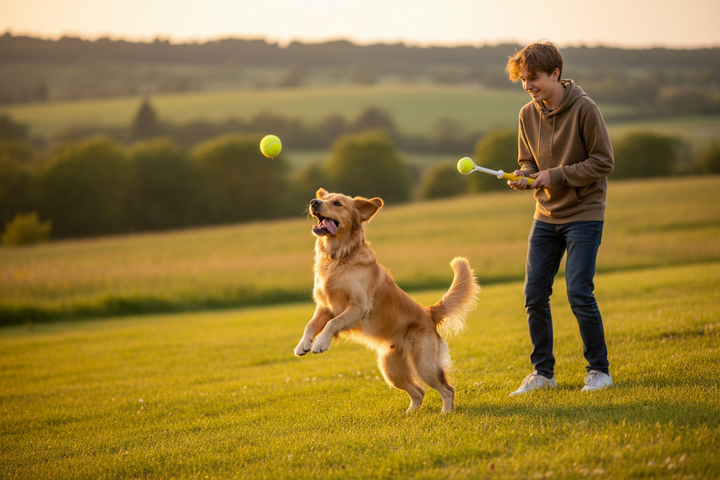
Calories matter just as much as the ingredient panel. A large biscuit may be perfectly fine as an occasional snack, but it is usually a poor choice for repetition-heavy training. If you are practicing leash skills, recall, or polite greetings for 10 minutes, your dog may earn 20 to 40 rewards. Tiny treats let you reinforce good choices quickly while keeping portions sensible.
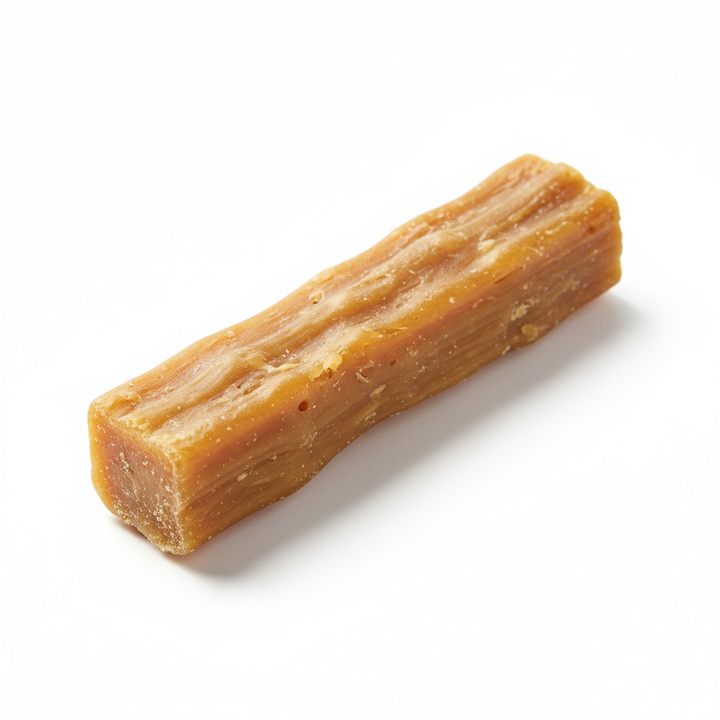
Texture matters, too. Soft treats are often ideal because dogs can swallow them quickly and return their attention to you. Crunchy treats can work for slower exercises or a post-training reward, but they may interrupt momentum. For puppies, seniors, and dogs with dental sensitivity, softer options are generally easier to manage.
The Best Healthy Dog Training Treats Match the Moment
There is no single treat that works for every dog, setting, or skill. Think in terms of reward value. Everyday rewards are for easy behaviors your dog already understands, while higher-value treats are for difficult environments and important breakthroughs.
Everyday practice treats
For sessions in the kitchen or living room, small pieces of single-protein treats, freeze-dried meat, or limited-ingredient soft chews can be excellent choices. These options are convenient, often easy to portion, and especially helpful for dogs with ingredient sensitivities.
You can also use part of your dog’s regular kibble if they genuinely enjoy it. This is a practical way to prevent extra calories, particularly for dogs working on weight management. Still, kibble is not automatically motivating enough for a new behavior or a distracting public setting. Let your dog’s response guide you.
High-value treats for hard jobs
When teaching recall outdoors, working around other dogs, or helping a nervous rescue dog build confidence, bring something better than the everyday reward. Tiny bits of cooked, unseasoned chicken or turkey, lean beef, salmon-based treats, or a favorite soft meat treat can make a meaningful difference.
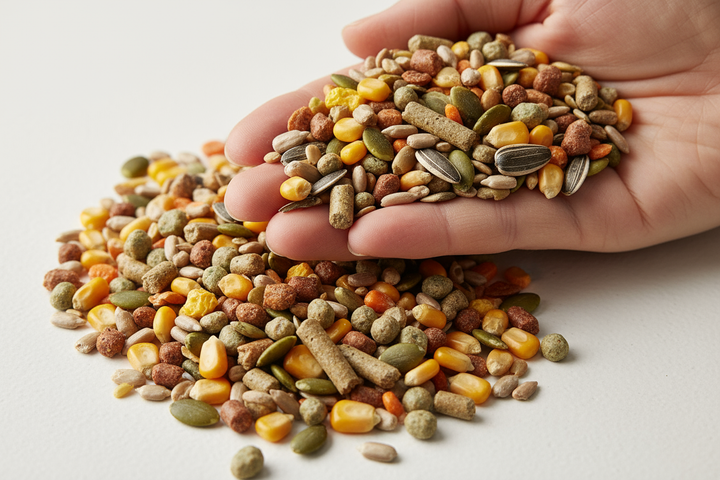
High-value does not mean large. A reward should be memorable because of its smell and flavor, not because it is the size of a golf ball. Break treats into pieces no bigger than a pea for small dogs and a small bean for larger dogs. Many dogs are thrilled by the second and third bite just as much as the first.
Food puzzles and longer rewards
Not every reward needs to be delivered by hand. For crate training, settling on a mat, or decompressing after a busy day, a lickable treat spread lightly on a toy can help create a positive association. Choose dog-safe ingredients and account for those calories in the day’s food plan.
Longer-lasting chews are different from fast training treats. They can be wonderful enrichment, but they are usually too slow for teaching a sequence of behaviors. Save them for calm time rather than asking your dog to pause and chew between every sit or loose-leash step.
Read the Label With Your Dog in Mind
Ingredient lists are useful, but they are not a contest to find the shortest one. A brief ingredient panel can be helpful for dogs with allergies or sensitive digestion, while a more detailed recipe may still be a nutritious choice. The key is knowing what your individual dog tolerates and what they need.
For dogs with known food allergies, use a treat containing a protein they already do well with and avoid casual ingredient switching during an active flare-up. If your dog is on a veterinary therapeutic diet, ask your veterinarian before adding new treats. Even a small amount of an unapproved ingredient can interfere with a carefully managed plan.
Puppies need treats that are easy to chew and small enough to avoid overfeeding during frequent lessons. Senior dogs may prefer tender treats with a stronger aroma. For dogs prone to pancreatitis or needing a lower-fat diet, focus closely on fat content and get guidance from your veterinary team. A treat that is healthy for an athletic young dog may not be the right choice for a dog with a medical history.
How Much Training Treat Is Too Much?
A common guideline is to keep treats at 10% or less of your dog’s daily calories. That guideline is a starting point, not permission to ignore the total amount. A 12-pound dog has a much smaller calorie budget than an 80-pound dog, and both can gain weight from generous training rewards.
The simplest approach is to reserve a portion of your dog’s daily food for training, then add a small number of special treats where motivation matters most. If you are using richer rewards for a class, a hike, or a long practice session, reduce the dinner portion modestly to balance the day.
Watch your dog, not only the measuring scoop. Healthy body condition includes a visible waist when viewed from above and ribs that are easy to feel under a light layer of tissue. Changes in stool, itching, gas, or appetite can also signal that a new treat is not agreeing with your dog. Introduce new options gradually, especially for dogs with sensitive stomachs.
Make Treat Delivery Part of the Training
The timing of the reward is as important as what is in your pocket. Mark the behavior with a cheerful “yes,” a clicker, or another consistent marker, then deliver the treat within a second or two. Your dog learns which action earned the reward.
Keep treats accessible in a pouch rather than rummaging through a bag after every cue. Deliver the treat close to your body when teaching loose-leash walking, or toss it ahead when you want to reset movement and build enthusiasm. For calm behaviors, place or gently give the reward low and slowly so your delivery does not accidentally create a bounce-and-spin routine.
As your dog becomes reliable, do not stop rewarding altogether. Shift from rewarding every successful repetition to mixing in praise, play, sniff breaks, and occasional food rewards. This helps maintain a strong behavior without making your dog wonder whether the paycheck has disappeared.
A Better Treat Routine for the Best Life
Training treats are a tool for communication, confidence, and connection. Pick options that support your dog’s digestion and calorie needs, use the smallest amount that still feels valuable, and keep a few higher-value rewards for situations that ask more of your dog.
At Walnut Creek Pets, we believe every companion animal deserves The Best Life, and dog training is one of the everyday ways families build it. Keep sessions short, end on a win, and let a well-chosen healthy reward show your dog that learning with you is always worth their while.