How to Buy Live Freshwater Fish Online Safely
Learn how to buy live freshwater fish online with confidence, from selecting healthy species and safe shipping to acclimation and quarantine at home safely.

A new fish should arrive with a plan waiting for it, not an empty aquarium and crossed fingers. When you buy live freshwater fish online, you gain access to species, color varieties, aquatic plants, and specialty livestock that may not be available locally. You also take on the responsibility of making smart compatibility, delivery, and acclimation decisions before that shipping box reaches your door.
For experienced aquarists, online ordering can be an excellent way to build a thoughtful community tank, find a centerpiece fish, or stock a carefully planned breeding project. For newer keepers, it can be a good choice too, provided the aquarium is mature, the research is done, and the first order is kept manageable.
Start With a Tank, Not a Shopping Cart
The best fish order begins with the water already in your aquarium. A tank that looks clear is not automatically cycled. Before adding livestock, test for ammonia and nitrite, which should both read zero. Nitrate should be controlled through regular maintenance and water changes. Temperature, pH, hardness, and tank size should fit the species you intend to keep.
This matters because shipping is stressful even when fish are professionally packed. A healthy fish can handle a carefully managed trip far better than a fish entering an aquarium with unstable water. If your filter is new, your beneficial bacteria culture is still developing, or your test results are inconsistent, give the system more time.
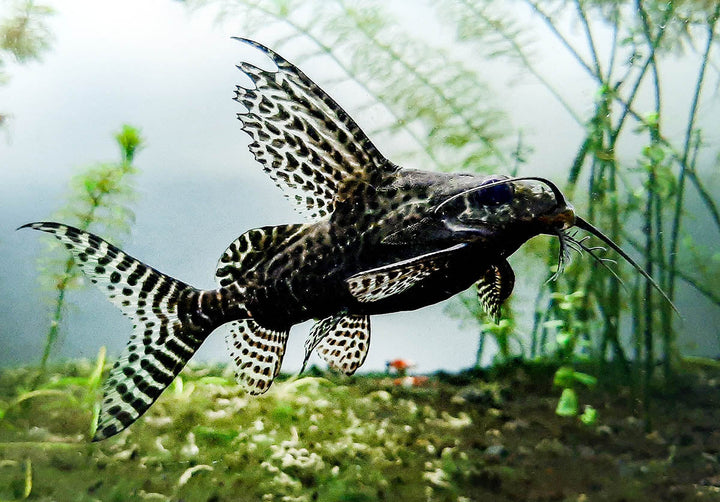
Tank size deserves the same honest attention. A small school of nano fish, a group of corydoras, and a juvenile pleco do not have the same adult-space needs. Research the adult size, activity level, social behavior, and waste load of every fish on your list. “It fits now” is not a long-term stocking plan.
How to Buy Live Freshwater Fish Online With Confidence
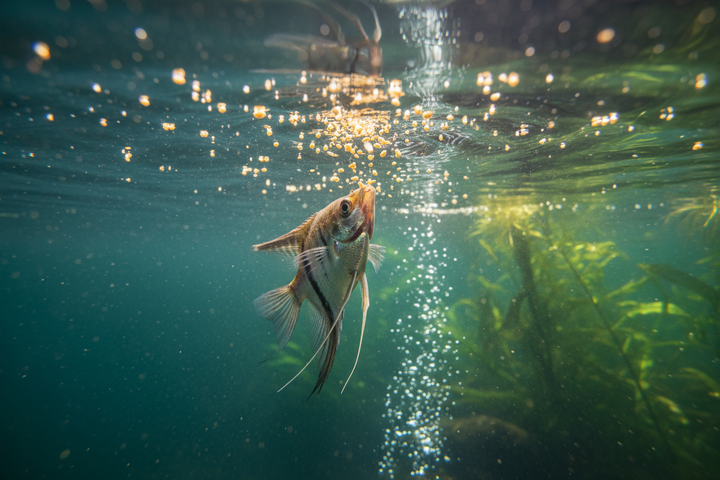
Choose fish based on their needs, not simply their appearance. A bright betta may be a wonderful individual pet in a properly heated, filtered aquarium, while many tetras need the security of a school. Some cichlids are territorial. Goldfish need more swimming room and filtration than their small-bowl reputation suggests. Loaches, catfish, shrimp, snails, and plants each add their own compatibility considerations.
Read the listing closely for recommended temperature range, adult size, diet, temperament, care level, and minimum aquarium size. Pay special attention to whether the fish is schooling, nocturnal, predatory, plant-safe, or likely to nip fins. Compatibility charts can be useful starting points, but they do not replace knowing the behavior of your specific species.
Water chemistry is a trade-off worth understanding. Many popular community fish tolerate a range of parameters when those parameters are stable. Others have narrow requirements. Trying to force every aquarium toward a number you saw online can create more instability than it solves. It is usually wiser to select livestock that suits your established source water, unless you are prepared to manage specialized water conditions consistently.
A responsible seller should provide clear species information, shipping details, arrival instructions, and a live-arrival policy. Look for a business that understands livestock care rather than treating fish like ordinary merchandise. Walnut Creek Pets brings that family-business mindset to specialty animal care, pairing practical supplies with real-person help for keepers building healthy habitats.
Plan Delivery Around the Fish
Live fish should not spend an afternoon on a hot porch, in freezing weather, or inside a package room. Order only when someone can receive the shipment promptly. If your schedule is unpredictable, wait for a delivery window that gives the fish the best possible start.
Check weather conditions at both ends of the journey. Responsible shippers may adjust schedules during extreme temperatures or carrier disruptions. That delay can be frustrating, but it is often the better choice for livestock. Fast shipping is valuable; safe shipping is the goal.
Avoid adding last-minute items to the order just because the box is coming. Fish do not need a surprise tankmate on arrival day. A smaller first order lets you assess how each animal settles in and gives your biological filtration time to adjust. This is especially helpful when stocking a newer aquarium or adding fish with different feeding needs.
Prepare a Calm Arrival Station
Before delivery day, gather what you need: a clean bucket or container reserved for aquarium use, a fish net, water test kit, towel, aquarium thermometer, and a dim place to work. Make sure the tank lights can stay off for several hours after introduction. Reduced light helps lower stress and discourages established residents from immediately harassing newcomers.
If possible, prepare a quarantine tank before you order. Quarantine is not punishment or isolation for its own sake. It is a practical health step that protects the fish already in your care and gives newcomers a quiet place to recover from transit. A simple, cycled setup with a heater, gentle filtration, hiding places, and matched water parameters can make a meaningful difference.
Not every hobbyist has room for a permanent second aquarium. If you cannot quarantine, be especially careful about where you source livestock, avoid mixing multiple new species at once, and keep close watch on behavior and water quality. The risk does not disappear, but good preparation reduces avoidable problems.
Acclimate Fish Without Rushing or Overcomplicating It
Open the shipment as soon as it arrives and inspect the bags in a calm, temperature-stable room. Check that the bags are intact and observe the fish before opening them. Take photos promptly if there is a concern that may be covered by a seller’s arrival policy.
Temperature acclimation is the first priority. Float sealed bags in the quarantine tank or aquarium for a short period so the bag water can gradually approach tank temperature. Then transfer the fish using the acclimation approach recommended by the seller. Some species and water-parameter differences benefit from slower adjustment, while prolonged time in opened shipping water can create its own problems as pH changes and waste becomes more toxic.
For that reason, follow the seller’s instructions rather than assuming every fish needs the same lengthy method. Once acclimation is complete, net the fish gently into its new water and discard shipping water instead of pouring it into the aquarium. Keep lights low, skip feeding immediately if the fish appears stressed, and allow the tank to stay quiet.
Watch the First Seven Days Closely
The first week tells you far more than the first five minutes. A fish may hide after arrival, show pale color, breathe a little faster, or decline food for a day. Those signs can be temporary responses to transit. Persistent gasping, clamped fins, flashing against surfaces, severe lethargy, visible spots, sores, or swelling call for closer assessment.
Test water daily after introducing fish, especially ammonia and nitrite. New livestock increases the aquarium’s bioload, and even a well-established filter can be challenged by a larger-than-expected addition. Feed lightly at first. Uneaten food adds waste quickly, while a hungry fish can usually recover from a modestly delayed meal.
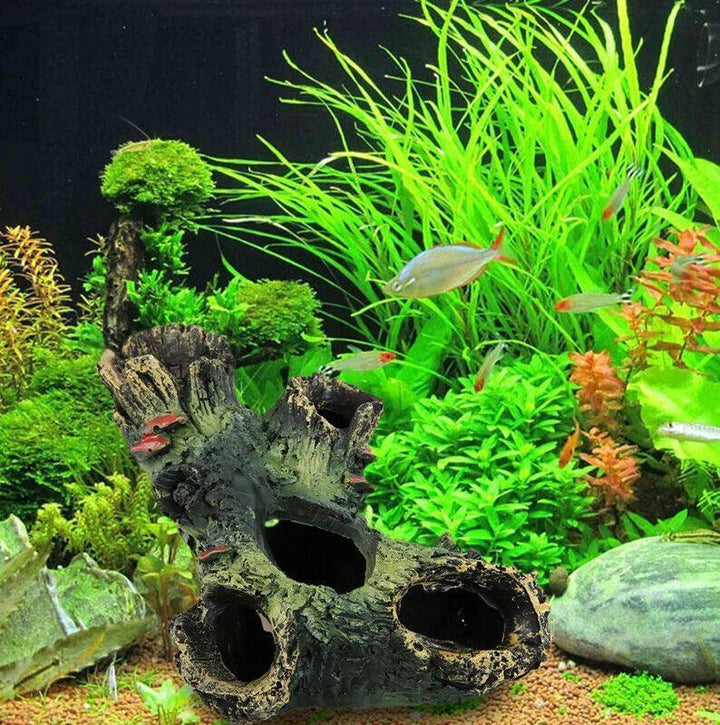
Observe social dynamics too. A peaceful species can become stressed if it is kept in too small a group, lacks cover, or shares a tank with a faster and more assertive feeder. Add plants, caves, wood, leaf litter, or other species-appropriate shelter before problems start. Habitat enrichment is not decoration alone. It gives fish places to rest, forage, establish boundaries, and feel secure.
Build Stocking Slowly for a Healthier Aquarium
It is tempting to finish a dream aquarium in one order. In practice, gradual stocking is usually kinder to the fish and easier on the filter. Add a compatible group, monitor water quality and behavior, then continue when the aquarium is clearly handling its new load.
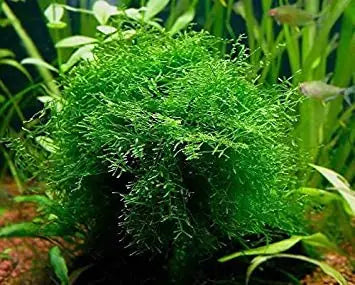
This is also where aquatic plants can help. Healthy live plants can provide cover, support natural behavior, and use some dissolved nutrients. They are not a substitute for filtration or water changes, but they can make a freshwater aquarium feel more balanced and alive. Choose plants that match your lighting, substrate, and maintenance routine rather than selecting demanding varieties you cannot realistically support.
The right fish are the ones that can thrive in the aquarium you can maintain week after week. Order with a mature tank, a delivery plan, and room for each species to grow into its natural behavior. That patience turns a shipped fish into something much better: a settled, active animal living its Best Life in your care.