How to Set Up an Aquarium Starter Kit: A Step-by-Step Guide for First-Time Fishkeepers

The number one mistake new fishkeepers make is adding fish too soon. The second is buying the wrong starter kit. Everything else is fixable, but skipping the nitrogen cycle is the fastest way to lose fish, feel defeated, and conclude that fishkeeping is harder than it is. With the right aquarium starter kit and a clear understanding of the setup process, building a thriving tank is genuinely achievable for a first-timer.
What a Good Aquarium Starter Kit Includes
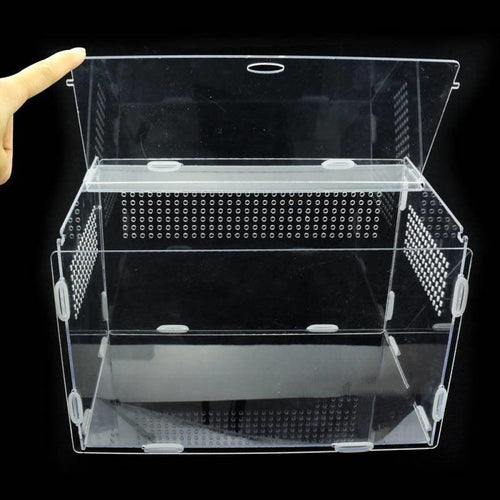
A complete starter kit should contain: the tank, a filtration system rated for the tank volume, a heater with thermometer for tropical setups, a light appropriate for the tank type (planted tanks need full-spectrum; fish-only tanks are more flexible), a substrate (gravel or sand), and basic water chemistry testing capability. Many kits also include a water conditioner, a net, and a care guide. What they often do not include — and what you will need — is beneficial bacteria to seed the cycle and patience.
The Nitrogen Cycle: The One Thing You Must Understand
Fish produce ammonia as waste. Ammonia is toxic. In a healthy aquarium, colonies of beneficial bacteria convert ammonia to nitrite (also toxic), then nitrite to nitrate (much less harmful, removed through water changes). This bacterial colony takes 4-6 weeks to establish from scratch — this is called cycling the tank. Until the cycle completes, the tank cannot safely support fish.
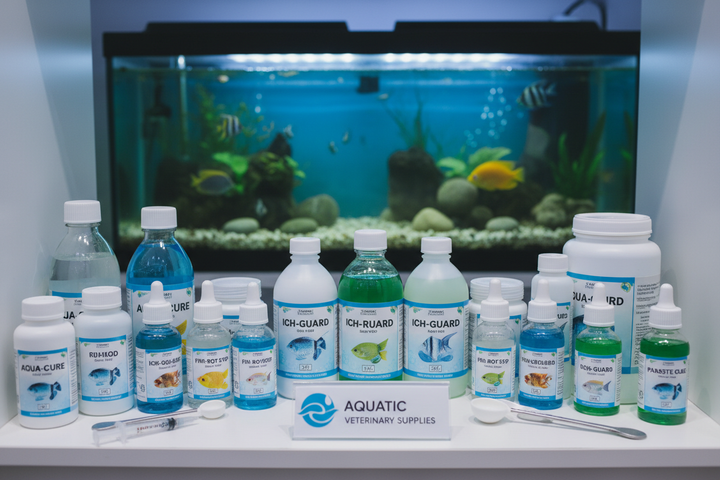
To cycle faster: add bottled beneficial bacteria (available at any fish store) to seed the process. Run the filter on an established, cycled tank for a week before switching to your new tank. Test ammonia, nitrite, and nitrate weekly with a liquid test kit (not strips — strips are inaccurate). The cycle is complete when ammonia and nitrite read zero and nitrate reads under 20ppm.
Choosing Your First Fish
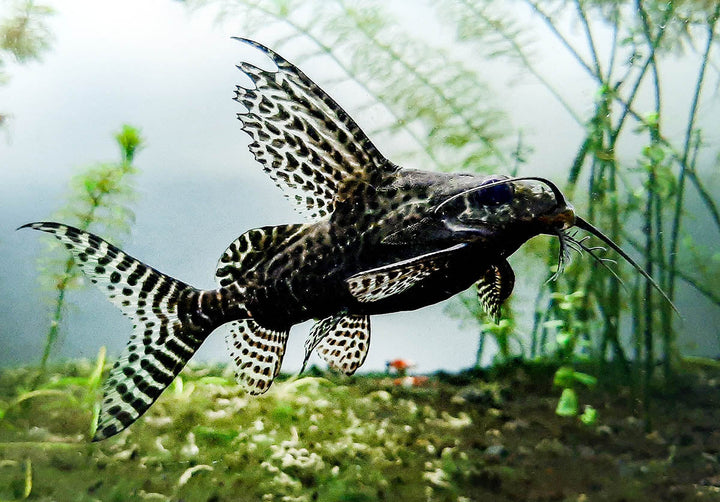
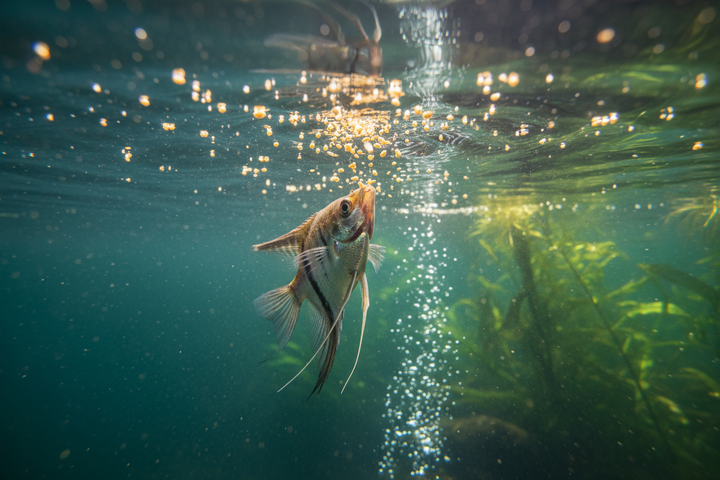
Start with hardy, forgiving species that tolerate variable water conditions while you find your rhythm. For freshwater: zebra danios, white cloud mountain minnows, platies, and guppies are among the most beginner-tolerant species. Avoid fancy goldfish (high bioload, need cold water), oscars (grow large quickly), and any fish labeled "for experts only" in your first tank. Research the adult size of every fish before buying — many fish sold as juveniles grow significantly larger than starter tank setups can accommodate.
Water Changes: The Foundation of Long-Term Health
A 25-30% water change weekly is the single most important maintenance habit for a healthy tank. Nitrate accumulates and stresses fish at elevated levels; regular water changes dilute it. Use a gravel vacuum to remove debris from the substrate simultaneously. Always treat replacement water with a water conditioner before adding it to the tank to neutralize chlorine and chloramines from tap water.
Browse our full aquarium supplies collection for starter kits, beneficial bacteria, water chemistry essentials, and everything you need to build a thriving first tank. The hobby rewards patience — and once your tank is cycled and stocked, it is one of the most calming, rewarding things you can bring into a home.