Best Protein Skimmer for Reef Tank Buyers
Find the best protein skimmer for reef tank health with practical sizing, setup, and maintenance advice for clearer water and thriving corals at home.

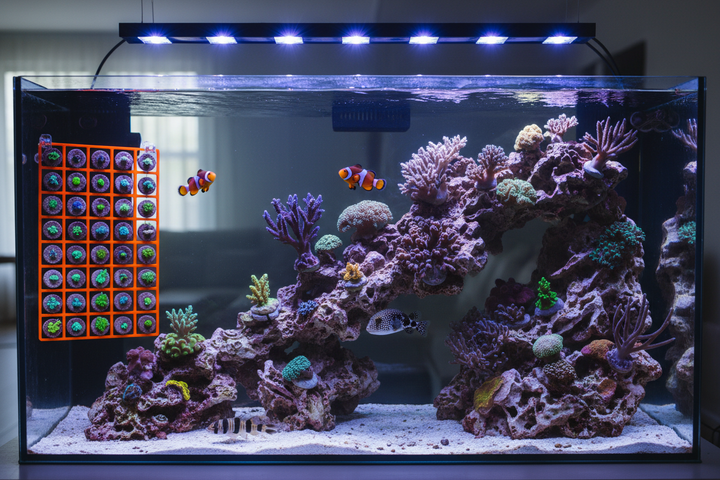
A reef tank can look perfectly clear while dissolved organics quietly fuel nuisance algae, dull coral color, and push nutrients higher than intended. That is why choosing the best protein skimmer for reef tank conditions is less about buying the biggest unit in the box and more about matching equipment to the way your aquarium actually runs.
A skimmer is one part of a healthy filtration plan, alongside good source water, live rock or other biological media, appropriate flow, regular testing, and thoughtful feeding. For many reef keepers, it is also the workhorse that makes a well-stocked system easier to manage. The right one pulls out waste before it breaks down, adds oxygen-rich gas exchange, and gives you more breathing room when life gets busy.
What Makes the Best Protein Skimmer for a Reef Tank?
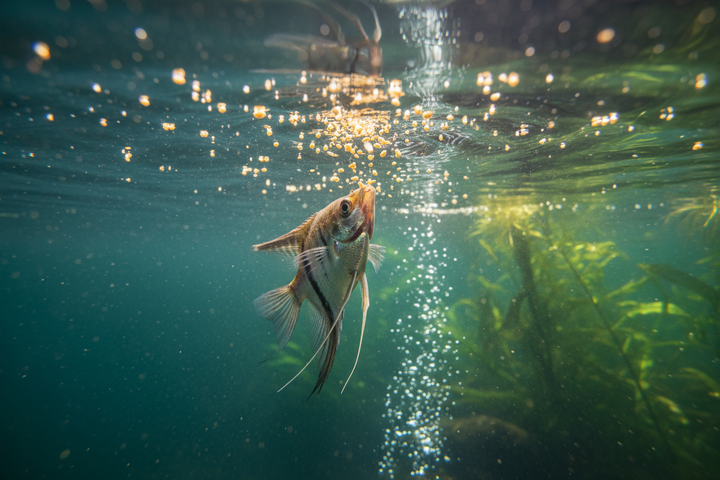
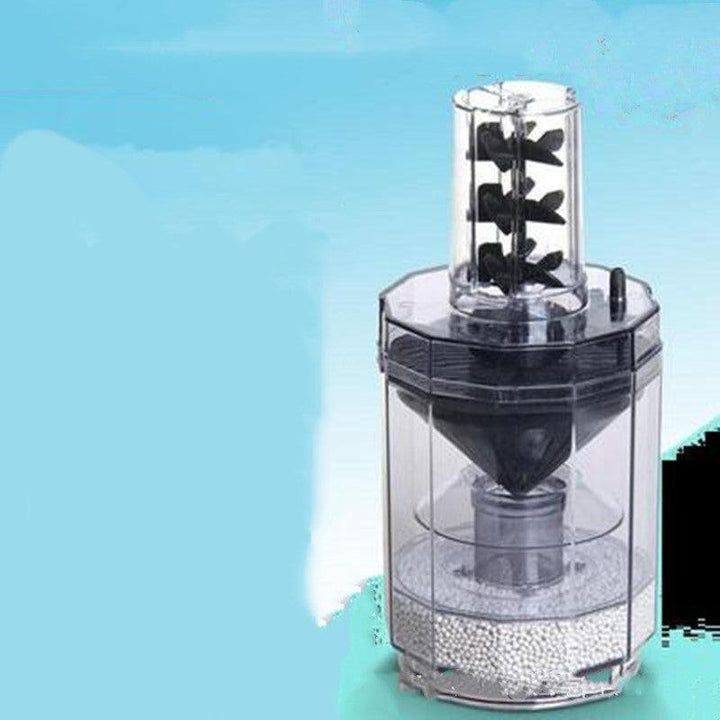
Protein skimmers use a mix of air and aquarium water to create fine bubbles inside a reaction chamber. Organic compounds cling to those bubble surfaces, rise into the collection cup, and leave the system as dark, foul-smelling skimmate. That removal matters because it happens before those organics can become nitrate and phosphate.
The best unit is not always the model rated for the largest aquarium. Manufacturer ratings are useful starting points, but they often assume average livestock and feeding. A lightly stocked 75-gallon soft-coral aquarium has very different needs than a 75-gallon system packed with tangs, anthias, large-polyp stony corals, and frequent frozen-food feedings.
For most mixed reefs, choose a skimmer whose realistic rating is moderately above your display volume. If your tank is heavily stocked or fish-forward, stepping up is sensible. Avoid extreme oversizing, though. A massively oversized skimmer may struggle to maintain a stable foam head in a lightly stocked system, especially when the tank is new or nutrient levels are already low.
Start with bioload, not gallons alone
Think about the animals and routines that create waste. Active fish, large fish, heavy feeding, powdered coral foods, amino acid dosing, and frequent use of frozen foods all increase the skimmer’s workload. A sparsely stocked nano reef with a pair of clownfish needs a much smaller, gentler solution than a larger reef designed around demanding fish and coral growth.
Also consider your nutrient targets. Some coral systems, particularly those centered on colorful small-polyp stony corals, perform best with measurable nitrate and phosphate rather than stripped-clean water. A skimmer should help you control excess nutrients, not turn nutrient management into a constant tug-of-war. If nitrate and phosphate stay near zero and corals look pale, reduce skimmer run time, feed appropriately, or reassess whether the unit is oversized.
Choose the Right Skimmer Style
The best style depends largely on whether your aquarium has a sump. Each design has a place, and the cleanest-looking choice is not automatically the easiest to maintain.
In-sump skimmers for larger and established reefs
An in-sump skimmer sits in the sump below the display tank. This is the preferred route for many reef keepers because it keeps equipment out of sight, adds water volume to the system, and contains any overflow inside the sump. In-sump models commonly offer larger reaction chambers, bigger collection cups, and stronger performance for medium to high bioloads.
The catch is water depth. Most skimmers perform within a narrow operating range, often around 7 to 9 inches, although each model differs. A changing sump water level causes unstable foam and frequent adjustments. Place the skimmer in a chamber with a consistent water height, or use a skimmer stand to raise it to the manufacturer’s recommended depth.
Hang-on-back skimmers for sumpless tanks
A hang-on-back, or HOB, skimmer is a practical answer for reef tanks without a sump. It mounts on the back rim and returns cleaned water directly to the aquarium. A quality HOB unit can work very well on nano and midsize reefs, provided the tank has enough clearance behind it and the unit is sized for the true bioload.
This style is especially useful for apartment-friendly setups, all-in-one aquariums that lack a dedicated skimmer chamber, and reef keepers who want to avoid plumbing changes. Pay close attention to the cup removal path. If you must move lights, lids, or cords every time the cup needs cleaning, maintenance becomes a chore.
Internal and all-in-one skimmers for compact systems
Small internal skimmers fit directly inside the display or in the rear filtration compartments of many all-in-one aquariums. They save space and can be an excellent fit for a modestly stocked nano reef. Their limits are cup capacity and reaction-chamber size, so they are not the best choice for a heavily fed tank.
For nano reef keepers, quiet operation and a secure fit are often more valuable than chasing the highest air intake specification. A skimmer that fits the chamber correctly and can be emptied in seconds is more likely to stay in service.
Features Worth Paying Attention To
Pump design has a major effect on performance and noise. Needle-wheel and pinwheel impellers chop incoming air into fine bubbles, creating greater surface area for waste collection. DC pumps add adjustable speed control, which can make it easier to tune air and water flow as the aquarium’s bioload changes. They are often quieter, but they also add electronics and cost.
Look for a collection cup that is easy to remove and clean, preferably with a drain option on larger systems. Neck cleaners and float switches can be useful upgrades for high-output reef tanks, especially if you travel or run a larger cup. A float switch can shut down the skimmer if the cup becomes full, reducing the risk of an unpleasant overflow.
Noise should not be an afterthought. Air intake, pump vibration, and water return all contribute to sound. A silicone airline, a properly seated pump, and an air silencer can make a surprising difference. If the aquarium sits in a bedroom, office, or family room, read the physical dimensions carefully and plan for cup-removal space before purchasing.
Sizing Examples for Common Reef Setups
A 20- to 40-gallon nano reef with a light fish load usually benefits from a compact internal or HOB skimmer designed for that range. Oversized equipment can be more difficult to tune than a right-sized model. If water changes are consistent and the tank carries only a few small fish, a skimmer may be helpful but not mandatory.
For a 50- to 90-gallon mixed reef, an in-sump skimmer rated above the display volume is often the sweet spot. This range commonly includes enough fish, feeding, and coral food to justify dependable export without forcing the tank too lean.
A 100- to 180-gallon reef with larger fish or frequent feeding needs a skimmer with a substantial reaction chamber, a proven pump, and a cup that will not need emptying every day. At this scale, an external drain container and a skimmer section with stable water height make routine care far easier.
For very large systems, do not choose based on a broad marketing rating alone. Compare actual air draw, pump wattage, recommended water depth, footprint, cup capacity, and whether the manufacturer’s rating reflects a lightly or heavily stocked aquarium. A more efficient unit that is easy to clean can outperform a bigger unit that is rarely serviced.
Setup Mistakes That Make Good Skimmers Seem Bad
New skimmers need a break-in period. Manufacturing residues, new plastics, and freshly mixed saltwater can cause erratic foam or overflowing for several days. Run the unit with the cup raised or the outlet more open at first, then make small adjustments once the foam settles. Trying to tune it every hour usually prolongs the frustration.
Keep the air intake clear and above the waterline. Salt creep can restrict airflow and reduce performance over time. If the skimmer suddenly stops producing foam, check the airline, silencer, venturi, and pump before assuming the tank is magically clean.
Water conditioners, epoxy, coral foods, medications, and oily hands can also change surface tension and make a skimmer overflow or go temporarily quiet. This is normal in many cases. Lower the water level in the cup, watch the system, and allow it time to stabilize rather than making a drastic equipment change.
Maintenance Is Part of Performance
Empty and rinse the collection cup before the buildup reaches the neck. A dirty neck reduces foam production because waste has a harder time climbing into the cup. For many reefs, cleaning the cup and neck once or twice weekly keeps performance steady.
Every month or two, disassemble the pump and soak removable parts in a reef-safe cleaning solution or diluted vinegar to remove calcium buildup. Rinse thoroughly before returning parts to the aquarium. This simple habit improves air draw, extends pump life, and prevents the gradual loss of performance that can be hard to notice day to day.
A skimmer is not a replacement for water changes, testing, or responsible stocking. It is a powerful partner in a balanced reef system. At Walnut Creek Pets, we believe every animal deserves The Best Life, and for reef animals that begins with stable, oxygenated water and equipment you can confidently maintain. Choose a skimmer that fits your tank, your livestock, and your care routine, then give it the regular attention that turns good equipment into lasting reef health.