How to Choose a Dog Harness That Fits Right
Learn how to choose a dog harness for your dog's body, walking habits, and comfort, with fit checks for safer, happier outings on every walk.

A harness should make the ordinary moments better: the quick morning potty break, the neighborhood sniff walk, the trail day when excitement runs high. Learning how to choose a dog harness starts with more than picking a cute pattern or the size your dog usually wears. The right harness distributes pressure comfortably, allows a natural stride, and gives you dependable control without turning every walk into a tug-of-war.
For some dogs, a simple back-clip harness is a great everyday choice. For a powerful puller, a front-clip or dual-clip design can give the handler more guidance. For a deep-chested dog, a long-bodied dog, a growing puppy, or a senior with tender joints, the details of shape and adjustment matter even more.
Start With Your Dog, Not the Harness Label
Size labels are only a starting point. A medium from one maker may fit very differently from a medium made by another, especially around the chest, shoulders, and rib cage. Measure your dog before shopping, ideally when they are standing naturally.
Use a soft measuring tape around the broadest part of the chest, usually just behind the front legs. Many harnesses also call for a lower-neck measurement. Write both numbers down and compare them to the individual product's size chart rather than relying on your dog's weight alone.
Body shape deserves equal attention. Broad-chested breeds often need more room through the front, while slender sighthounds may need a secure neck opening to prevent backing out. Long-backed dogs can benefit from harnesses with a longer chest panel, and short-legged dogs may need to avoid straps that rub behind their front legs. A fluffy coat can change fit, too. Compress the fur gently when measuring so the harness does not become loose once your dog is moving.
Puppies are the exception that proves the rule. Choose an adjustable harness with room for measured growth, but do not buy one so large that a puppy can slip free. Check the fit every week or two during fast growth periods.
How to Choose a Dog Harness for Your Walks
A harness should match the job you need it to do. Think about where you walk, how your dog responds to distractions, and whether you need help with pulling, security, visibility, or mobility.
Back-clip harnesses for relaxed walkers
A back-clip harness places the leash ring over the shoulders or upper back. It is easy to put on, generally comfortable, and well suited to dogs that already walk on a loose leash. It can also be a good option for small dogs or dogs with sensitive throats, since it removes leash pressure from the neck.
The trade-off is leverage. A back clip may make it easier for a determined dog to pull forward, particularly if they are excited by squirrels, greetings, or trail scents. It is not a training problem by itself, but it is rarely the best standalone choice for a dog that launches into the leash.
Front-clip and dual-clip harnesses for pullers
A front-clip harness attaches at the center of the chest. When a dog pulls, the leash gently redirects their body toward you instead of letting them drive straight ahead. This can make walks safer and give you a useful management tool while you build loose-leash skills with reward-based training.
Some harnesses offer both a front and back attachment point. These dual-clip styles are versatile for families sharing dog-walking duties or for dogs whose needs vary by outing. You might use the front connection around busy streets and the back connection for a quiet sniff walk. Fit is especially critical here: a poorly positioned chest strap can restrict shoulder movement or rotate to the side.
Step-in, overhead, and escape-resistant designs
Step-in harnesses can work well for dogs who dislike gear passing over their head. Overhead harnesses often provide more adjustment points and a more secure fit, though some dogs need patient, treat-based practice to feel comfortable wearing one.
If your dog has ever backed out of a harness, look for an escape-resistant design with an extra strap around the waist, behind the rib cage. These are especially useful for anxious rescues, slender dogs, and dogs walking in unfamiliar places. They are not a substitute for watching your dog closely, but the additional security can prevent a frightening loose-dog situation.
Check the Shape Before You Check the Color
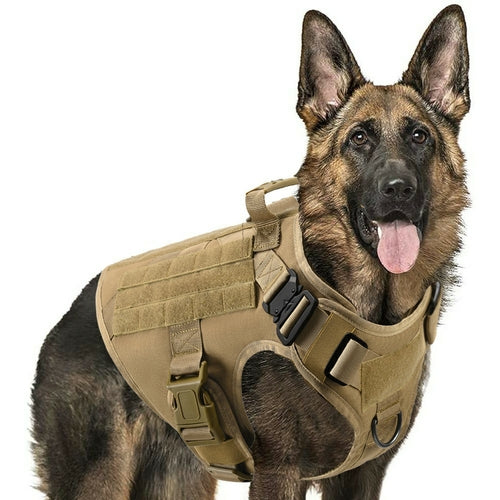
The most comfortable harnesses leave the shoulders free to move. Look for a Y-shaped front that runs down the breastbone, rather than a horizontal strap that sits straight across the chest and shoulders. Every dog is built differently, so no single design fits every body perfectly, but the goal is the same: clear movement at the shoulder joint and no pressure on the windpipe.
The chest panel should rest on the breastbone, not rise into the soft area of the throat. The girth strap should sit a few fingers behind the front legs to reduce rubbing in the armpit area. On male dogs, check that the underside straps and panels do not interfere with urination.
Padding can be helpful, particularly for short-coated dogs, older dogs, or long hikes. Still, more padding is not automatically better. A bulky harness can trap heat, hold moisture, and make it harder to see whether the straps are sitting in the right place. Breathable materials are a smarter choice for warm-weather walks, while weather-resistant fabrics can be useful for rainy climates.
Get the Fit Right at Home
Once the harness is on, use the two-finger rule. You should be able to slide two fingers comfortably beneath each strap, but not create enough slack for your dog to step out or back out. Check the neck, chest, and girth separately because a harness can feel snug in one spot and loose in another.
Then let your dog move. Ask for a few steps, a sit, a turn, and a gentle stretch toward a treat. Watch for straps creeping into the armpits, a chest piece twisting sideways, shortened strides, coughing, repeated scratching, or a reluctance to walk. These are useful clues that the harness needs adjustment or is not the right cut for your dog.
After the first few walks, inspect the skin and coat under the straps. Redness, thinning fur, chafing, or damp, compressed areas mean something needs to change. Recheck adjustments after baths, grooming appointments, seasonal coat changes, weight changes, and any growth spurt.
Do Not Let a Harness Replace Training
A well-fitted harness is safety equipment, not a promise that walks will be easy. If your dog pulls, pair the harness with short, consistent practice. Reward them for checking in, walking near you, and creating slack in the leash. Give them chances to sniff, too. Sniffing is real enrichment, and a dog who gets appropriate time to investigate often has an easier time settling into a calmer pace.
Avoid relying on a harness that causes discomfort to stop pulling. Pressure, pinching, and harsh corrections can make walks stressful and may worsen fear or reactivity. Better equipment gives you clearer communication and helps protect your dog's body while training progresses.
For dogs with arthritis, neck injuries, breathing concerns, a history of slipping loose, or major pulling behavior, ask your veterinarian or a qualified force-free trainer for guidance. The best option may depend on health, behavior, and the environment where you walk.
A Few Practical Features Worth Considering
When comparing otherwise well-fitting choices, everyday details can decide which harness you will actually enjoy using. Reflective trim improves visibility at dawn and after dark. A sturdy handle can help guide a dog through a crowded space or assist them into a vehicle, though it should not be used to lift a dog unless the harness is specifically designed for lifting.
Easy-release buckles matter when a muddy, wiggly dog needs to come inside. A front D-ring should be metal and firmly attached. If you walk near traffic or in busy parks, consider attaching identification directly to the harness as a backup to a collar, provided the tags will not snag during your dog's normal activities.
At Walnut Creek Pets, we believe every companion animal deserves The Best Life, and that includes walks where they can move, explore, and return home comfortable. Choose the harness that fits your dog as they are today, then keep checking it as their body, confidence, and adventures change. A few careful minutes of fitting can make the next thousand walks feel like time well spent.