Bearded Dragon Brumation: What It Is and What to Do When It Happens

What Brumation Is
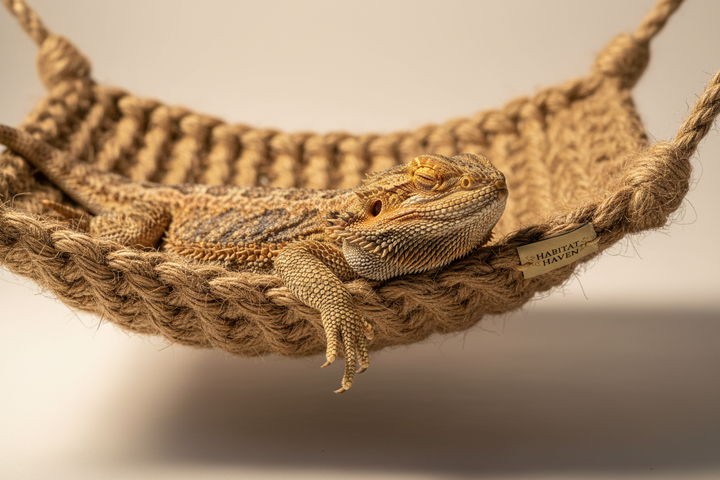
In captivity, many beardies experience a natural winter slowdown — usually between ages 1-2, in late fall or winter. This is completely normal. It is not the same as mammalian hibernation — your beardie isn't fully asleep.
Signs of Brumation
- Dramatically reduced appetite or complete refusal to eat
- Sleeping for extended stretches, sometimes days at a time
- Seeking out cooler or darker areas of the enclosure
- Gradual, not sudden, weight loss
Brumation vs. Illness
A healthy brumating dragon still has normal color and muscle tone. A sick dragon may have sunken eyes, discolored skin, or labored breathing. If you see those signs, see a vet immediately.
Supporting Them Through It
Keep lights running on their normal schedule. Maintain temperatures. Offer water every week or two via a warm soak. Don't force-feed. When they emerge on their own, brighter-eyed and looking for food, ramp feeding back up gradually.