Cockatiel Care: Food, Enrichment, and the Setup That Keeps Cockatiels Thriving
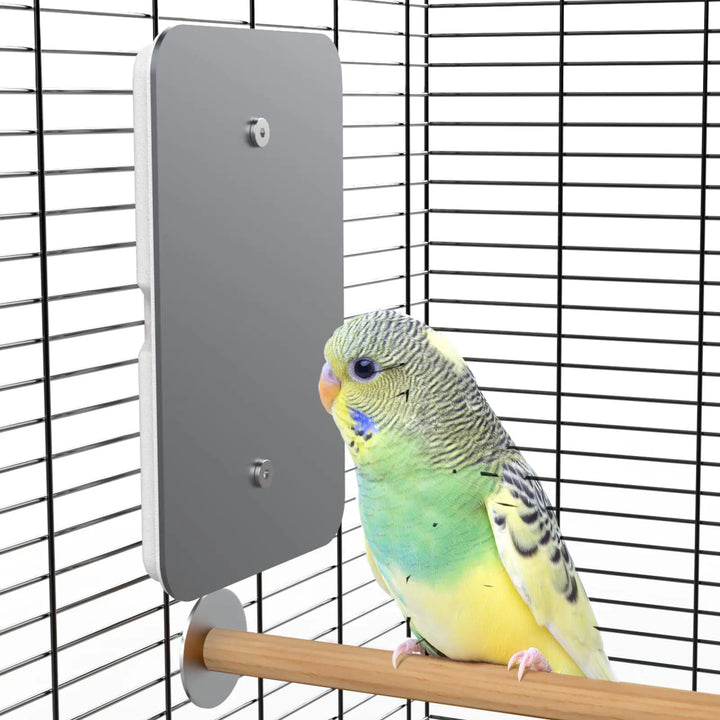
Cockatiels are the most popular pet bird in North America, and also among the most commonly underfed and understimulated. A cockatiel in a small cage with a seed cup and a mirror is not thriving — it is surviving. Getting a cockatiel's environment and nutrition right unlocks a completely different bird: vocal, curious, actively engaged, and socially bonded in ways that make the relationship genuinely rewarding.
Nutrition: Beyond the Seed Dish
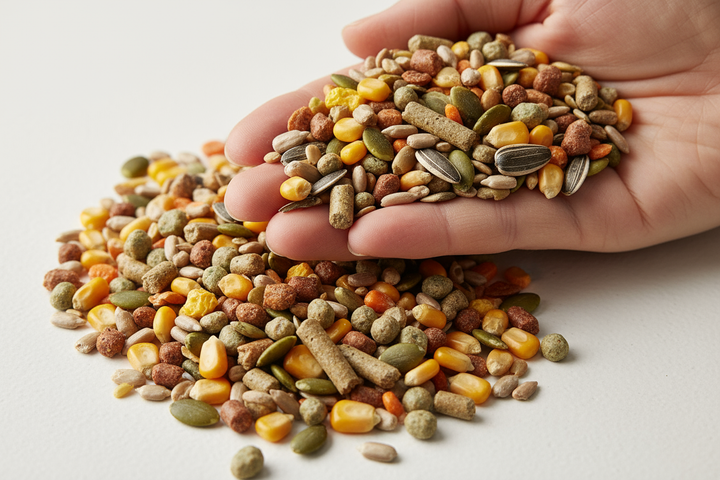
Cockatiels need a varied diet with pellets as the foundation (50-60% of intake), supplemented with quality seed mixes, fresh vegetables, and limited fruit. The most critical nutritional gap in seed-heavy diets is Vitamin A — deficiency leads to respiratory infections, eye problems, and weakened immunity over time. Dark leafy greens (kale, spinach, chard), sweet potato, and bell peppers address this directly and most cockatiels accept them readily compared to smaller parakeets.
Browse our bird food and nutrition collection for cockatiel-appropriate pellets, seed mixes, and natural treat options. We stock species-specific and small-bird-formulated options that go beyond the generic "parakeet/cockatiel" mixes most stores carry.
Cage Setup: Size, Perches, and Layout
The minimum cage for a single cockatiel is 24" wide x 24" deep x 30" tall, but bigger is meaningfully better — cockatiels spend most of their day in their cage and need horizontal flying room. Bar spacing should be 5/8" to 3/4" — wide enough not to feel constricted, narrow enough to prevent head entrapment.
Perches are critical for foot health and are often an afterthought in commercial setups. Cockatiels need varied perch diameters — the same diameter perch all day causes repetitive stress on foot muscles. Include one natural wood perch (manzanita, dragonwood), one rope perch for texture, and one flat platform perch for resting. Position perches at different heights but not directly above food and water dishes. Browse our bird perches and cage accessories collection for species-appropriate options.
Enrichment: The Underrated Half of Cockatiel Care
Cockatiels are social, intelligent birds who need mental engagement to prevent stress behaviors — feather destructive behavior, chronic screaming, and biting are almost always symptoms of understimulation or insufficient social interaction rather than personality problems. The solutions are consistent and achievable.
Foraging: Wild cockatiels spend 40-60% of daylight hours foraging. Replicating this in captivity — hiding food in foraging toys, wrapping treats in paper, weaving greens through cage bars — is one of the highest-impact enrichment changes an owner can make. Browse bird foraging and enrichment toys in our collection for foraging-specific designs suited to cockatiels.
Social time: Cockatiels are flock animals and need out-of-cage time with their family daily — 2-3 hours minimum. This is not optional for a well-adjusted bird. A cockatiel who only interacts with its owner through the cage bars will not develop the trust and bond the relationship is capable of.
Noise and music: Cockatiels are vocal and respond positively to ambient household sounds and music. They learn melodies and mimic whistles — teaching your cockatiel a simple tune is an enrichment activity that builds the bond while satisfying their vocal instincts.