Box Turtle Care: The Native Turtle That Needs More Than Most People Give

A Misunderstood Animal
Box turtles have specific environmental requirements that, when ignored, produce an animal that stops eating, stops moving, and slowly deteriorates over months before the keeper realizes something is wrong.
Outdoor Enclosures: Where They Thrive
For most North American keepers, an outdoor enclosure from spring through fall is the best possible situation. Walls should have solid sides buried at least 6 inches to prevent escape. Provide both sun and deep shade, a shallow soaking dish, and leaf litter deep enough for the turtle to disappear into entirely.
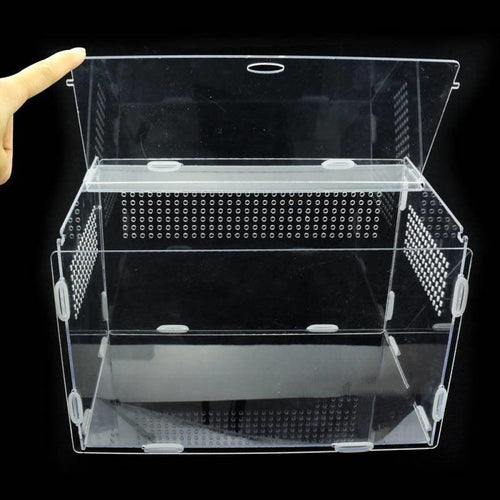
Indoor Requirements
- T5 HO 5.0 UVB bulb positioned within 12 inches of basking area, replaced annually
- Substrate at least 4-6 inches deep — topsoil and coconut coir mix
- Relative humidity maintained at 70-80% through regular misting
- Ambient temperatures of 70-80°F with basking spot near 85-90°F
Brumation Is Natural
Box turtles naturally brumate through winter. Healthy adults showing signs of brumation should be allowed to do so rather than kept artificially active under heat lamps. Forcing a box turtle to remain active through winter is physiologically stressful and linked to shortened lifespan.