Cat Dental Health: Why It Matters, What to Watch For, and How to Help at Home

How Common and How Serious
Periodontal disease affects an estimated 70% of cats by age 3 and nearly all cats by age 10 if not actively managed. This is not primarily a cosmetic issue. Chronic oral bacteria in an untreated mouth consistently enters the bloodstream, and the accumulating evidence connects chronic dental disease to kidney disease, heart disease, and liver inflammation — all conditions that are expensive to manage and reduce quality of life. Dental health is one of the most directly actionable aspects of long-term feline health, and it starts at home.
What to Watch For
Early signs of dental disease in cats are often subtle: food dropping from the mouth while eating (especially dry food), decreased appetite, preference for softer food over hard, pawing at the face, and in some cases behavioral changes (increased irritability, decreased grooming, social withdrawal). Bad breath — beyond the normal mild odor after eating — is a reliable indicator of bacterial load in the mouth. Visible tartar (yellow-brown buildup at the gumline, particularly on upper canines and back molars) and red, inflamed gum tissue indicate disease that has progressed beyond the home management stage and requires professional veterinary dental care. Browse our cat health and dental care collection for toothbrushes, enzymatic toothpastes, and dental support products appropriate for cats.
Home Care: Building a Routine
Toothbrushing is the gold standard — daily is ideal, several times per week is meaningful. Use a cat-specific toothpaste (enzymatic formulas work with saliva to break down plaque even without perfect brush access) and a finger brush or small soft toothbrush. Introduce gradually: first let the cat taste the toothpaste, then advance to lip lifting, then touching teeth with the brush, then actual brushing. Most cats tolerate this well once the routine is established — the challenge is building the habit. Start with kittens for the easiest integration.
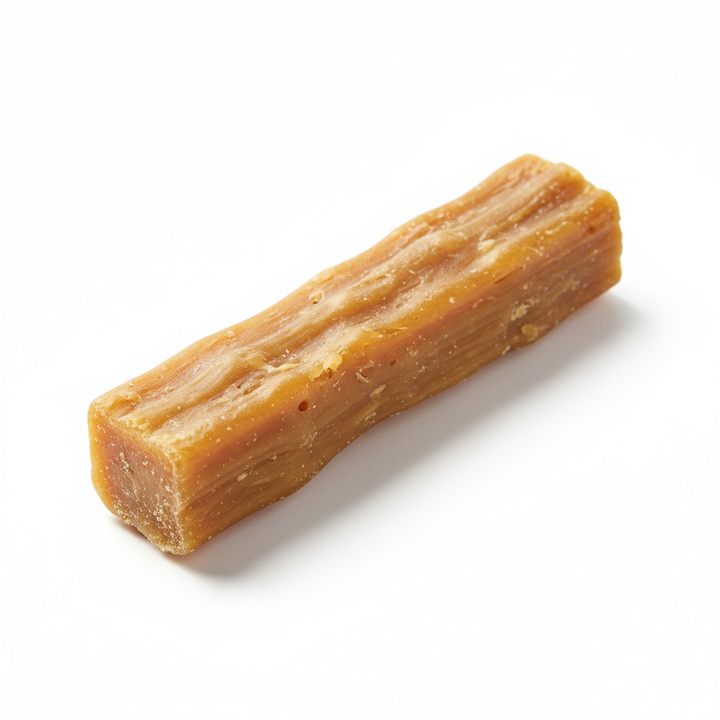
Where daily brushing is not achievable: dental wipes, water additives, dental treats with VOHC (Veterinary Oral Health Council) seal, and raw meaty bones (for cats who accept them) provide varying levels of mechanical cleaning benefit. No product fully substitutes for brushing, but consistent use of multiple home care modalities reduces tartar accumulation between professional cleanings. Browse our cat dental care collection and our freeze dried cat treats for natural, minimally processed options that support dental health.
Professional Dental Cleanings
Professional dental cleanings under anesthesia are the only way to fully assess and address the subgingival (below the gumline) regions where serious periodontal disease originates. The frequency varies by individual — some cats need annual cleanings; others can go 2-3 years between procedures. Pre-anesthetic bloodwork to confirm kidney and liver function is standard and appropriate regardless of the cat's apparent health. The risk of the anesthesia procedure is far lower than the cumulative risk of untreated dental disease over years.