Cat Nutrition Guide: Building a Species-Appropriate Diet From the Ground Up

The Obligate Carnivore Foundation
The phrase "obligate carnivore" means that cats require nutrients found exclusively in animal tissue to survive. Unlike dogs (omnivores) or humans, cats cannot synthesize taurine, arachidonic acid, or sufficient niacin from plant precursors — they must consume them directly through meat. A cat fed a diet without adequate animal protein will develop heart disease (taurine deficiency), eye problems, reproductive failure, and neurological damage over time. This is not optional biology — it is the non-negotiable starting point for understanding cat nutrition.
Protein: Quality Over Quantity
Cats require significantly more dietary protein than dogs — approximately 26-30% of total calories from protein at minimum, significantly more for kittens and active adults. More important than percentage is the source and digestibility. Whole-muscle meat proteins (chicken, turkey, beef, rabbit, salmon) provide a complete amino acid profile in a form cats digest efficiently. By-product meals — rendered from unspecified parts at high temperatures — provide lower digestibility and less complete amino acid profiles. When reading a cat food label, the first ingredient should be a named, whole-protein source — "chicken" not "chicken by-product meal."
Browse our freeze dried cat food collection for products that put real whole-animal protein first, and our broader cat food collection for the full range of nutrition-forward options we carry.
Carbohydrates: Minimal and Unnecessary
Cats have limited ability to digest carbohydrates compared to omnivores. Their digestive systems evolved without access to starch-heavy foods, and their bodies produce minimal amylase (the enzyme that breaks down starch). High-carbohydrate diets — particularly dry kibble, which often contains 35-50% carbohydrates from grain or legume fillers — are associated with obesity, diabetes, and chronic digestive issues in cats. This is one of the strongest arguments for wet food, raw feeding, or high-moisture freeze dried food as a dietary foundation rather than dry kibble alone.
Moisture: The Underappreciated Essential
Cats have a naturally low thirst drive and are biologically adapted to obtain most of their water from prey — which typically contains 70-75% moisture. Dry kibble contains 10% or less moisture. Cats fed exclusively dry food consistently consume less water overall than cats on wet food diets, contributing to chronic mild dehydration and the associated urinary and kidney risks. A cat water fountain combined with a primarily wet or raw diet addresses the moisture deficit most comprehensively.
A Practical Feeding Approach
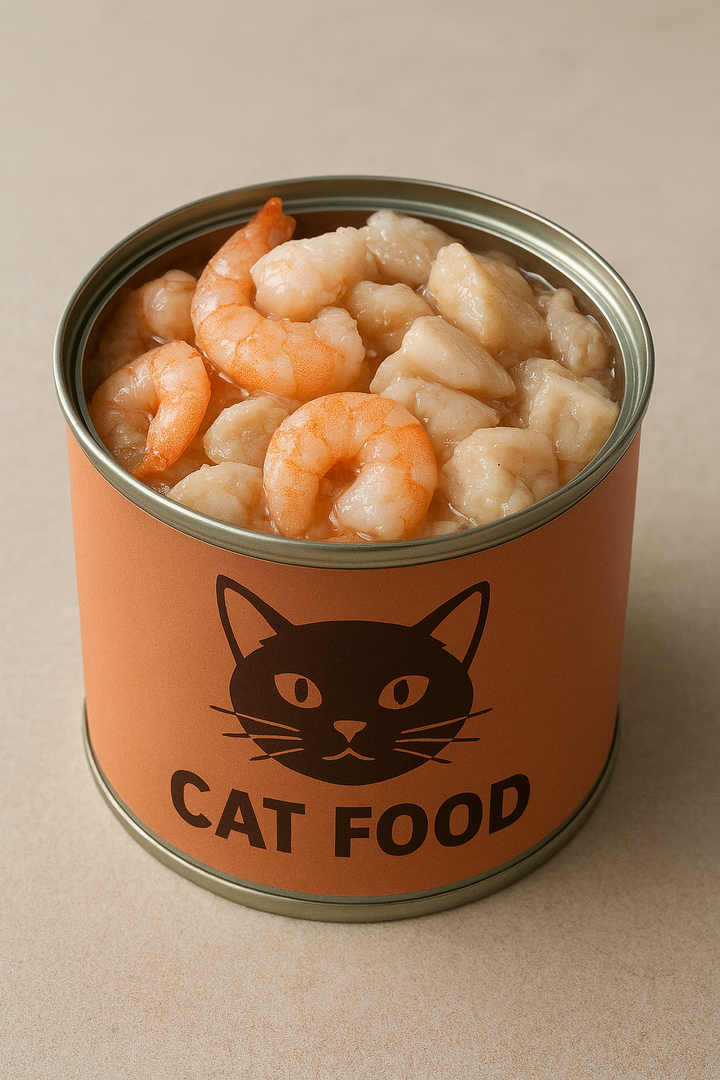
The most practical nutrition upgrade for most cats: transition the majority of the diet from dry kibble to high-quality wet food, freeze dried food rehydrated with warm water, or a rotation of both. Use dry food — if at all — as a small component rather than the dietary foundation. Add a cat water fountain. Browse our complete cat nutrition and food collection for everything from species-appropriate wet food and freeze dried options to high-value treats and supplements that support the complete cat diet.