Why Your Cat Needs a Water Fountain (And How to Choose the Right One)

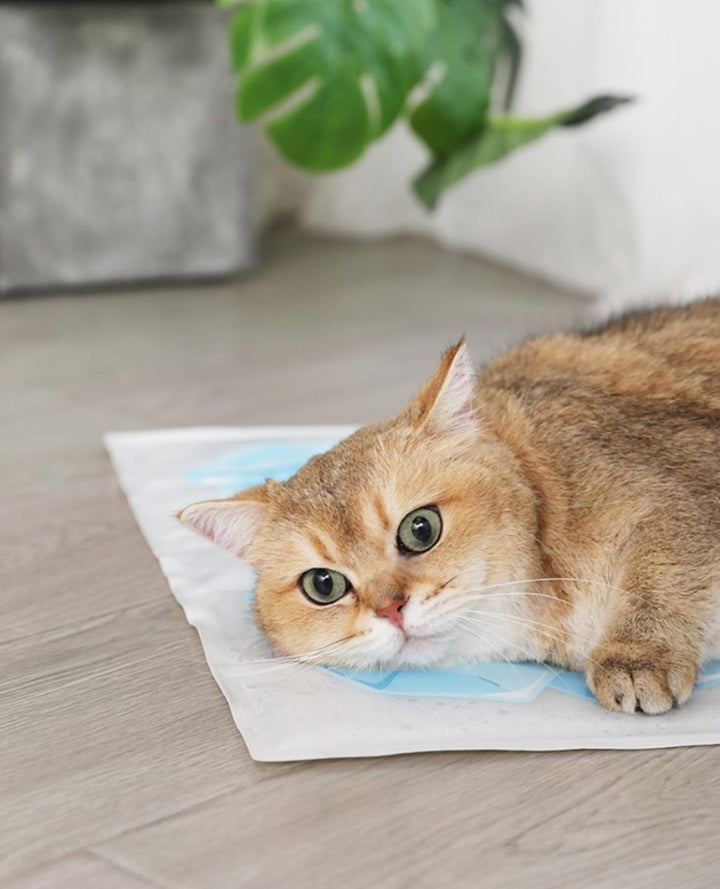
Most cat owners do not realize their cat is chronically dehydrated. Cats have a naturally low thirst drive inherited from desert-dwelling ancestors who got most of their moisture from prey. On a dry kibble diet with only a static water bowl available, many cats simply do not drink enough — and the consequences accumulate quietly for years before showing up as kidney disease, urinary crystals, or bladder inflammation.
A cat water fountain changes this equation. The sound and movement of flowing water activates drinking behavior in cats who ignore a static bowl entirely. The instinct is hardwired: in the wild, moving water is fresh water. Still water is suspect. A fountain signals safety, freshness, and appeal — all the things a bowl of sitting water does not.
What Chronic Dehydration Does to Cats
Feline idiopathic cystitis (FIC) — the most common cause of litter box avoidance — is directly linked to concentrated urine from insufficient water intake. Urinary crystals and blockages, most dangerous in male cats, form in concentrated urine. Chronic kidney disease is the leading cause of death in older cats, and a lifetime of inadequate hydration is a major contributing factor. These are not rare conditions. They are among the most common health issues in domestic cats, and they are largely preventable.
Cat owners who switch from a static bowl to a flowing fountain consistently report their cats drinking more — sometimes dramatically more — within the first week.
What to Look for in a Cat Water Fountain
Material: Choose stainless steel or ceramic over plastic. Plastic develops microscopic scratches that harbor bacteria and biofilm. Plastic contact is also the leading cause of feline chin acne. Stainless steel and ceramic are inert, dishwasher-safe, and significantly more hygienic for long-term daily use.
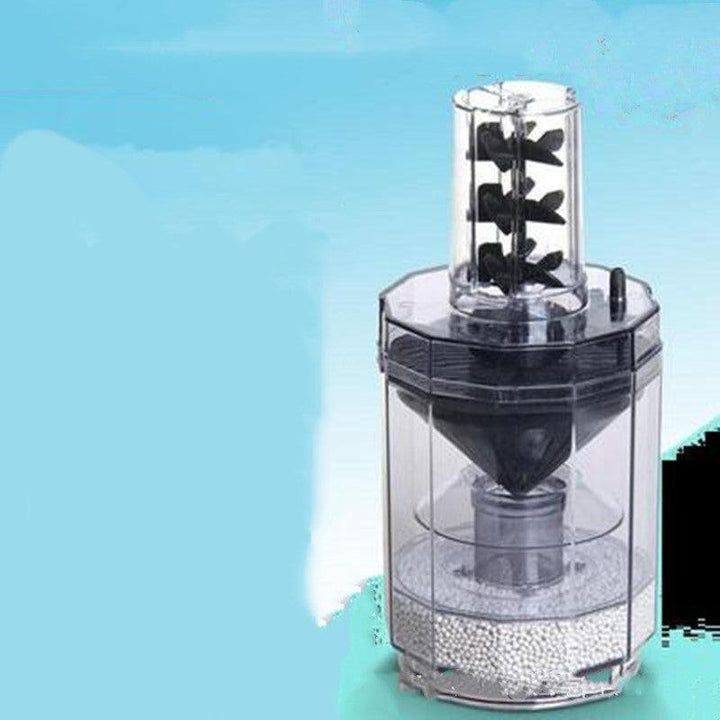
Filtration: Look for a two-stage system — a mechanical foam pre-filter that captures hair and debris, plus a carbon filter that removes chlorine, heavy metals, and odor-causing compounds. Change filters on schedule (typically every 4-6 weeks) or the fountain becomes a contamination source.
Flow style: Some cats prefer a gentle bubbling surface; others respond to a stream or waterfall spout. If unsure, choose a fountain with multiple flow options and let your cat show you their preference. Most adapt within days.
Capacity and noise: For a single cat, 1.5-2 liters is sufficient for daily refilling. Multi-cat households benefit from 3+ liter designs. The motor should be quiet enough not to startle a timid cat.
Transitioning Your Cat
Place the fountain beside the existing bowl — do not remove the bowl immediately. Let your cat investigate on their own schedule. Most cats become curious within 24-48 hours and begin drinking within the first week. Once your cat drinks reliably from the fountain, you can retire the static bowl.
For cats on a dry diet, pairing a fountain with a transition to higher-moisture food — including freeze dried cat food rehydrated with warm water — provides the most comprehensive approach to long-term urinary and kidney health. Browse our full cat supplies collection to find the right fountain and nutrition combination for your cat.