Freeze Dried Cat Food: What It Is, Why It Matters, and How to Feed It

Cats are obligate carnivores. Their bodies are designed to derive all essential nutrients from animal tissue — they cannot synthesize certain amino acids (most critically, taurine and arginine) from plant sources and must consume them through meat. This biological reality sits in stark contrast to what fills the shelves of most pet stores: corn-heavy kibble and by-product pate that technically meets minimum AAFCO standards while delivering marginal nutrition from marginal sources.
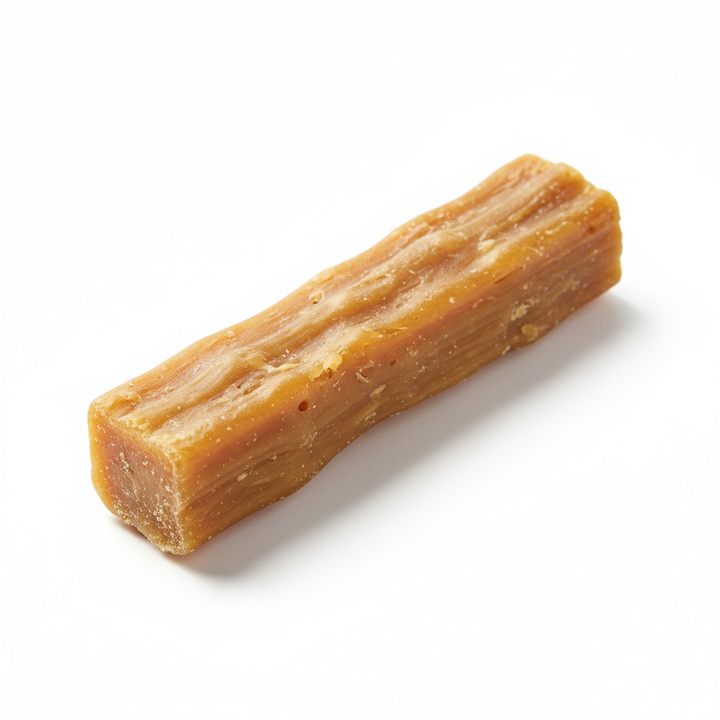
Freeze dried cat food occupies a different category entirely. It takes real animal proteins — whole chicken, rabbit, salmon, turkey, beef — and removes moisture at extremely low temperatures through a process called sublimation, leaving the nutritional profile of the raw ingredient almost entirely intact. The result is shelf-stable cat food with the bioavailable nutrition of raw feeding, without the handling, thawing, and contamination concerns of a traditional raw diet.
Why the Process Matters
Conventional cat food manufacturing uses high heat and pressure to process ingredients. Proteins denature, enzymes are destroyed, and naturally occurring vitamins are degraded. Synthetic vitamins are added back to meet label requirements. Taurine — the amino acid cats cannot produce themselves, deficiency of which causes dilated cardiomyopathy and retinal degeneration — is particularly heat-sensitive. In freeze dried food, taurine remains intact in its natural form, at the levels present in the original raw ingredient.
For cats with urinary issues, kidney concerns, or food sensitivities, the clean ingredient profile of freeze dried food is often a turning point. Single-protein formulas (chicken only, rabbit only, salmon only) make elimination diets straightforward — you know exactly what your cat is eating, and identifying a reactive ingredient becomes possible.
How to Feed Freeze Dried Cat Food
As a complete diet: Look for freeze dried formulas labeled "nutritionally complete and balanced" — these meet AAFCO standards as a full diet and can replace conventional food entirely. Add warm water before serving to restore moisture and support hydration (particularly important for cats prone to urinary issues).
As a topper: Crumble freeze dried food over existing wet or dry food to increase protein quality and palatability. Particularly effective for picky cats or those transitioning away from low-quality diets.
As treats: Single-ingredient freeze dried treats — chicken breast, salmon, rabbit — used in small pieces as enrichment, training rewards, or bonding. The aroma and natural flavor are significantly more appealing to cats than conventional treat products.
Making the Transition
Cats can be notoriously resistant to food changes. Transition gradually — start with 10% freeze dried mixed into the current food, increase by 10% every 3-5 days. Adding warm water to the freeze dried food helps with both palatability and moisture intake. Most cats accept the transition within 2-4 weeks; some adapt immediately.
Browse our full freeze dried cat food collection — every product reviewed for ingredient quality, sourcing transparency, and species-appropriate nutrition. Your cat's biology deserves better than the industry minimum. We make it easy to do right by them.