Indoor Cat Enrichment: A Simple Weekly Plan That Keeps Cats Happy and Out of Trouble

Boredom is the root cause of most indoor cat behavior problems. Scratching furniture, excessive meowing, overgrooming, aggression toward other pets, overeating — these are not personality defects. They are predictable responses to an under-stimulating environment. Indoor cats live in a fraction of the territory they are biologically wired to patrol, hunt, and explore. Without deliberate enrichment, they find their own outlets, and those outlets are rarely convenient for their owners.
The good news is that cats do not require elaborate or expensive enrichment. They require variety, novelty, and the ability to express natural behaviors — hunting, scratching, climbing, hiding, and scent investigation. A structured weekly rotation delivers all of this without adding significant time or cost to your routine.
The Five Pillars of Cat Enrichment
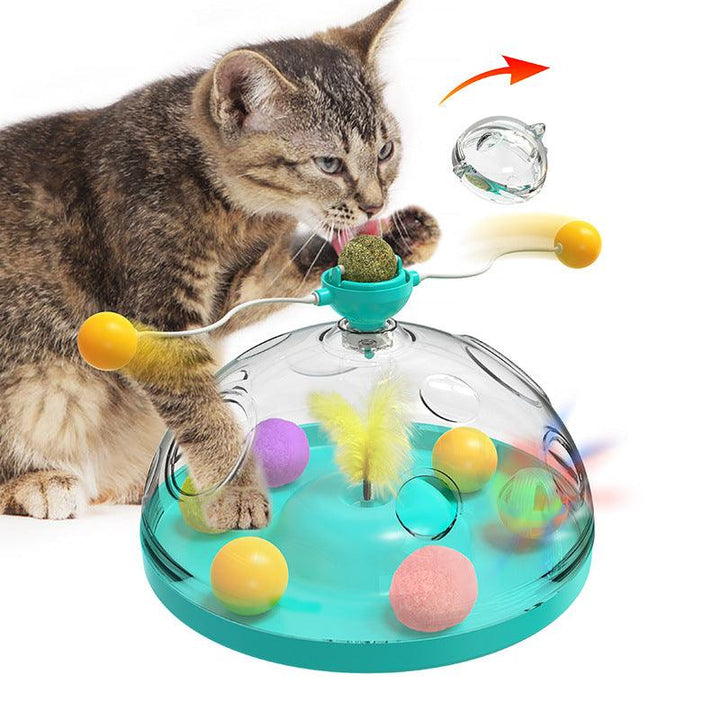
1. Hunting simulation: Wand toys, laser pointers, motorized prey toys — anything that moves unpredictably and allows your cat to stalk, chase, and pounce. Schedule at least one 10-15 minute session daily. Always end with a physical catch (a toy your cat can grab and "kill") so the hunting sequence completes naturally and your cat does not end the session frustrated.
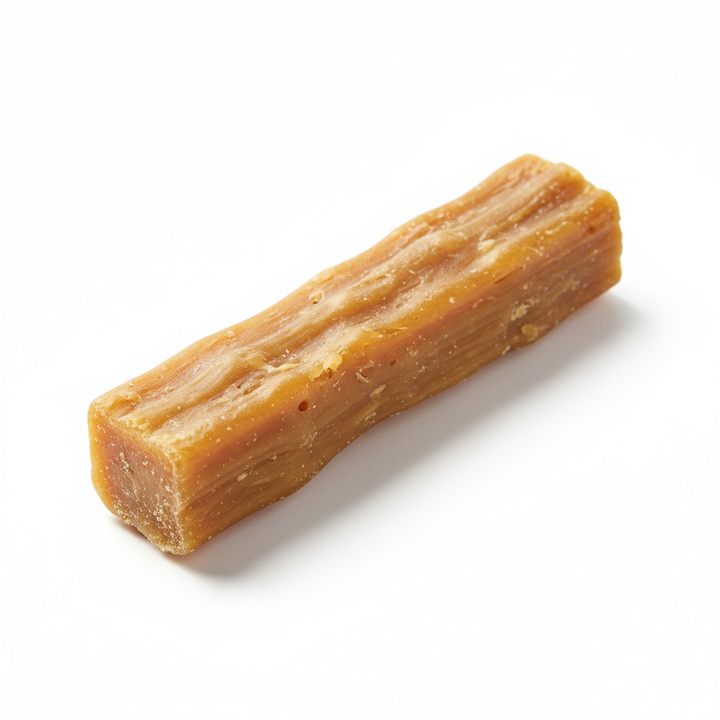
2. Foraging: Cats are designed to work for food — scatter kibble, use puzzle feeders, or hide small portions around the home for your cat to find. This converts feeding from a passive 30-second event into an active 15-minute mental engagement. Pair with freeze dried treats hidden in paper bags or boxes for high-value foraging sessions.
3. Vertical space and territory: Cats feel safest with elevated vantage points. Cat trees, wall shelves, cleared window ledges — vertical space directly reduces anxiety in multi-cat households by creating separate territories and escape routes. A cat who can climb above a conflict avoids it; a cat trapped on ground level escalates it.
4. Scratching outlets: Scratching is not destructive — it is communication, territory marking, and claw maintenance. Provide scratching surfaces in the locations your cat already scratches (usually near sleeping spots and room entrances). Sisal rope and corrugated cardboard are the most preferred materials.
5. Environmental novelty: Rotate toys weekly so familiar objects become interesting again. Introduce new scents (catnip, silver vine, valerian) on a rotation. Allow supervised access to a window with an interesting outdoor view. Even a paper bag on the floor is novel enough to occupy most cats for twenty minutes.
A Simple Weekly Rotation
Monday/Thursday: Wand toy session + puzzle feeder at mealtime. Tuesday/Friday: Foraging session with treats scattered or hidden. Wednesday/Saturday: New toy or scent introduction. Sunday: Full toy rotation — put current toys away, bring out a different set. Browse our full cat supplies and enrichment collection for toys, scratching posts, puzzle feeders, and everything else a well-enriched indoor cat needs.