Chinchilla Care Guide: The Long-Lived Pet That Rewards Patient Owners

Ten to Fifteen Years Is a Real Commitment
Before you bring home a chinchilla, sit with this number: a well-cared-for chinchilla commonly lives ten to fifteen years. Some live longer. That's a longer commitment than many dogs. Chinchillas are not a beginner impulse purchase. They are a long-term relationship that demands consistent care, access to an exotic veterinarian, and genuine knowledge of their specific needs. If you're ready for that, they are among the most rewarding small animals you can keep. If you're not, this is the right moment to reconsider.
Temperature Is a Non-Negotiable
Chinchillas originate from high-altitude Andes environments — cool, dry, and stable. Their extraordinarily dense fur is designed for those conditions. In a warm house, that same fur becomes a serious liability. Heat stress in chinchillas is rapid and deadly. Their safe temperature range is between 60°F and 70°F, and they should never be exposed to temperatures above 75°F. Air conditioning during summer months is not optional in most parts of the United States. Room placement matters year-round — avoid rooms that warm up with afternoon sun.
Active at Dawn and Dusk
Chinchillas are crepuscular and nocturnal — most active around dawn, dusk, and through the night. This has practical implications. A chinchilla housed in a bedroom will make noise while you're trying to sleep. They are also most receptive to handling and interaction in the early evening when they're naturally alert and moving.
Social Needs and Solitary Housing
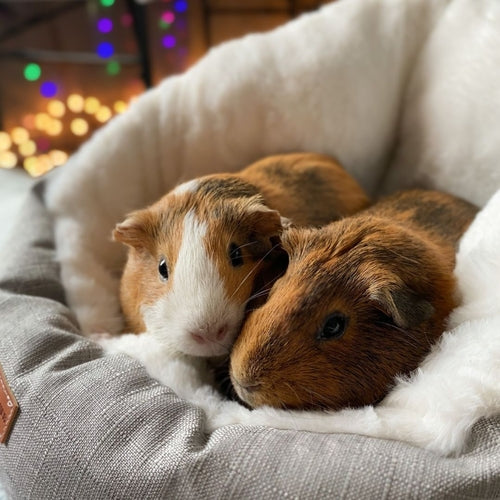
Unlike guinea pigs, chinchillas can be housed successfully either alone or with a companion. A bonded pair can coexist beautifully, but introductions require a slow and careful process. A solo chinchilla that receives consistent daily interaction from its owner can live a full, content life. The critical factor is consistency — a chinchilla left alone without regular engagement suffers for it.
You Must Have Exotic Vet Access
Chinchillas need a vet who genuinely understands exotic small animals. General practices may have limited experience with chinchilla-specific issues like dental disease, GI stasis, or respiratory infections — all of which can deteriorate quickly. Before you bring your chinchilla home, locate an exotic vet in your area and confirm their experience with this species. Don't wait for an emergency to discover your nearest practice has never treated one.
What a Good Relationship Looks Like
Chinchillas are not immediately cuddly. They are cautious by nature and need time to build genuine trust. Patient, consistent engagement — offering your hand without grabbing, letting them approach on their own terms — produces a chinchilla that actively seeks you out. That relationship, built slowly over months, is one of the most satisfying things about keeping chinchillas.