Chinchilla Diet: Why Simple and Boring Is the Right Answer

The Cornerstone: Unlimited Timothy Hay
If you understand only one thing about chinchilla nutrition, make it this: unlimited timothy hay is the foundation of everything. Chinchillas have continuously growing teeth and a digestive system designed to process large amounts of fibrous plant material. Hay provides the grinding action that keeps teeth in check and the fiber that keeps the gut functioning correctly. A chinchilla without constant access to hay is on a path toward dental disease and digestive problems — both of which are serious, painful, and expensive to treat. Keep hay available at all times and replenish it daily without exception.
Pellets: High Quality, Limited Quantity
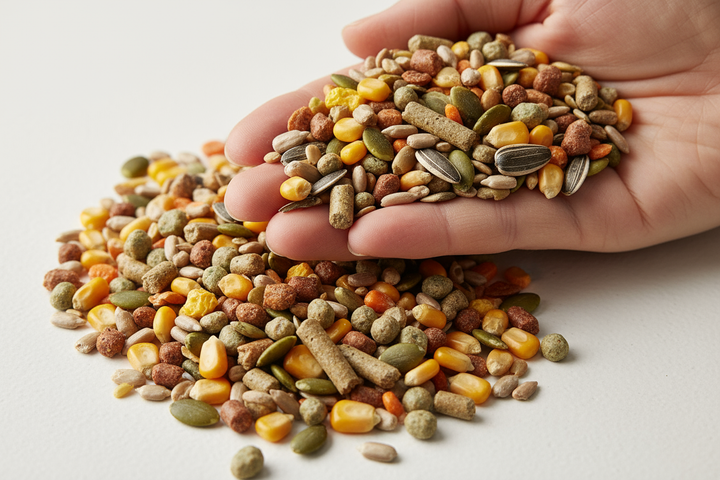
Quality chinchilla pellets from brands like Oxbow or Mazuri should be offered in a small, measured daily amount — approximately one to two tablespoons per adult chinchilla. More than that displaces hay consumption, which is the opposite of what you want. Pellets supplement the diet; they do not drive it. Choose a plain, timothy-based formula with no seeds, dried fruit, or colorful mix-ins.
The Digestive System Cannot Handle Sugar
This is the most important dietary safety rule for chinchillas: their digestive systems are not equipped to handle sugar. What looks like a harmless small treat to us can cause serious GI upset, enteritis, or bloat in a chinchilla. Fruit, high-sugar vegetables, and sweet treats formulated for other small animals do not belong in a chinchilla's diet. Not occasionally. Not as a reward. Not at all.
Safe Occasional Treats: Keep Them Rare
If you want to offer something beyond hay and pellets, keep it extremely conservative. A few genuinely safe options include:
- Dried rose hips — a traditional treat that is safe and contains Vitamin C when offered sparingly
- Dried herbs — small amounts of dried chamomile, nettle leaf, or dandelion are reasonable choices
- Plain shredded wheat — occasionally acceptable, not a daily food
One small treat a few times per week is the upper limit. The chinchilla diet is not supposed to be varied and exciting. Simple and consistent is not a limitation — it's the design.
Water: Clean Sipper Bottle, Changed Daily
Fresh water must be available at all times via a sipper bottle. Change the water daily even if the bottle isn't empty — stale water develops bacteria quickly. Clean the bottle thoroughly once a week. Avoid ceramic bowls in the main enclosure as chinchillas tip them and the moisture is problematic for their environment and coat.
What to Avoid Entirely
- Fruit of any kind
- High-moisture vegetables in more than trace amounts
- Nuts and seeds — too high in fat for a chinchilla's system
- Commercial small-animal treats containing sugar or honey
- Anything with artificial additives or coloring
Hay, limited quality pellets, and rare simple treats. That's the whole diet. Feed it consistently and your chinchilla will have better teeth, better digestion, and a longer life.