Chinchilla Housing: Height, Bar Spacing, and Why Plastic Is the Enemy

Height Matters More Than Floor Space
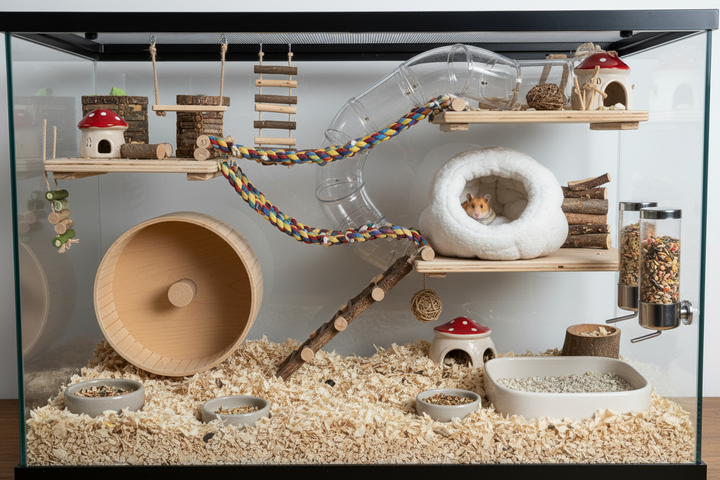
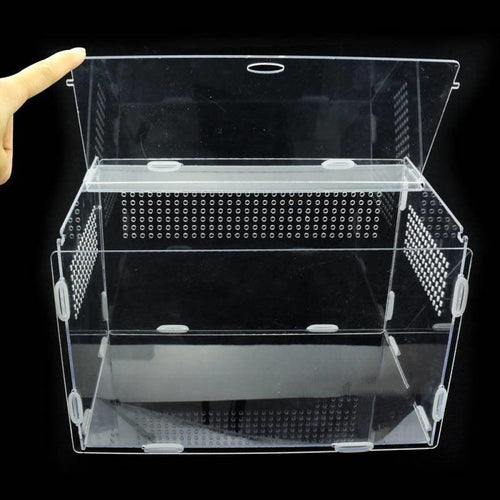
Chinchillas are athletic, leaping animals. They jump, climb, and use vertical space far more actively than most small pets. A good chinchilla cage prioritizes height above all else. The minimum you should work with is three feet tall — and taller multi-level cages are better. A single-level cage is simply not appropriate for a chinchilla regardless of its floor area. Look for cages designed specifically for chinchillas or ferrets. Many general small-animal cages are built for animals with very different needs.
Solid Shelves — No Wire Platforms
Wire shelf surfaces cause bumblefoot — a painful pressure-sore condition that develops from repeatedly standing on wire mesh. Every platform, ramp, and resting surface in a chinchilla cage must be solid. Wooden shelves and platforms are the standard choice. They're safe to stand on and straightforward to replace when chewed down. Cover any wire ramps with wood or fleece before your chinchilla moves in. They will spend significant time on these surfaces — make sure every one of them is safe.
Bar Spacing: One Inch or Less
Appropriate bar spacing for a chinchilla cage is one inch or less. Wider spacing risks a chinchilla getting a limb or head trapped between bars, which can cause serious injury. Measure the bars before you buy — many cages marketed for large rabbits have spacing that is too wide for a chinchilla. If in doubt, measure the actual gap with a ruler.
No Plastic — Anywhere Inside the Cage
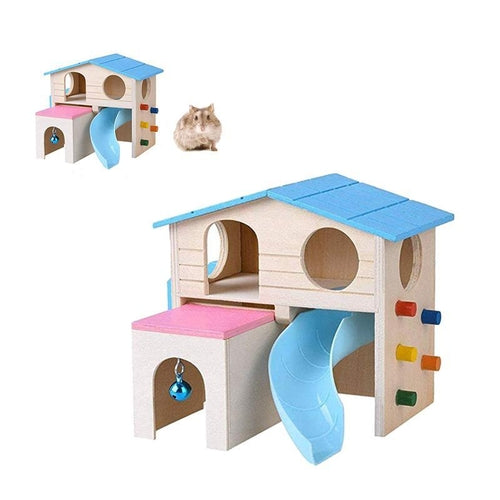
This is non-negotiable: there should be no plastic components within your chinchilla's living space. Chinchillas chew constantly — this is a behavioral necessity, not a problem to train away. Plastic that is chewed and ingested causes intestinal blockages, which are life-threatening emergencies. Remove or replace plastic food dishes, plastic water bottles, plastic hides, and plastic tunnel components. Use wooden items, metal dishes, glass water bottles, and natural materials exclusively.
Wooden Ledges and Hides
Wooden ledges at various heights give your chinchilla places to rest, observe their environment, and exercise. Kiln-dried pine and applewood are safe choices. Avoid cedar and plywood — both are harmful. An enclosed wooden hideout gives your chinchilla a secure sleeping space. Chinchillas like to feel enclosed when resting and will use a proper hide consistently.
Cage Placement in the Home
Place the cage in the coolest, most temperature-stable room available. Away from windows with direct afternoon sun. Away from heating vents, radiators, and drafts. The ambient temperature must stay below 75°F at all times — ideally between 60°F and 70°F year-round. Basements are often ideal. Rooms that warm up in summer are not. Chinchillas can die from heat stress faster than most owners expect. Cage placement is a welfare decision, not simply a matter of convenience.