Dog Anxiety: Natural Approaches That Actually Calm Stressed Dogs

Understanding Dog Anxiety
Anxiety in dogs manifests differently depending on the trigger and the individual dog. Generalized anxiety shows up as constant vigilance, difficulty settling, and behavioral reactivity. Situational anxiety — thunderstorms, fireworks, car rides, vet visits, separation — produces predictable stress responses in specific contexts. The distinction matters because the interventions that work for one type often differ from the other. Before reaching for calming products, identify the specific trigger and context as precisely as possible — this shapes what actually helps.
Environmental Interventions First
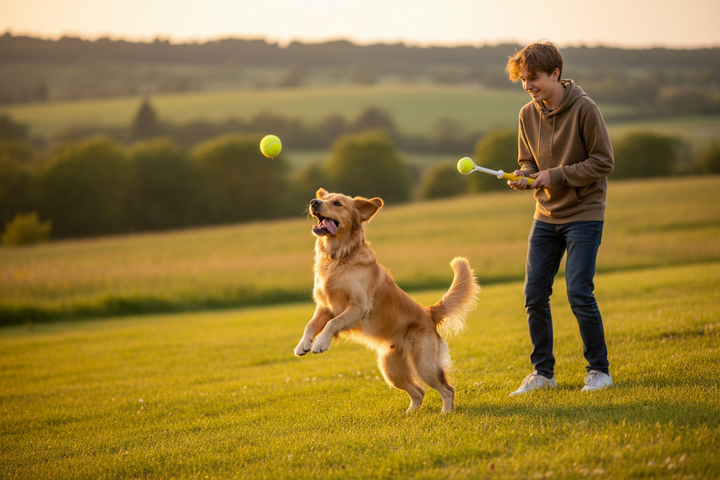
Before any supplement or product, environmental and behavioral interventions address the root cause rather than the symptoms. For separation anxiety: gradually build duration of alone time from seconds to minutes to hours rather than forcing extended isolation. For noise phobia: systematic desensitization to recorded sounds at low volume, paired with high-value rewards. For generalized anxiety: increased physical exercise, structured daily routine, and adequate mental enrichment (the enrichment tools in our dog collection — snuffle mats, lick mats, puzzle feeders — occupy the anxious mind productively).
Calming Supplements: What Has Evidence
L-theanine: An amino acid found in green tea that promotes alpha brain wave activity associated with a calm, alert state. Well-tolerated, available in multiple dog-specific formulations, and has a reasonable evidence base for mild anxiety. Works best as a daily supplement rather than situational use.
Ashwagandha (adaptogenic herbs): Reduces the physiological stress response over time with consistent use. Not a fast-acting calming agent but valuable as part of a broader anxiety management program.
Magnesium: Deficiency is associated with increased anxiety and hyperreactivity in mammals. Magnesium glycinate is the most bioavailable form and well-tolerated in dogs.
Melatonin: Particularly useful for noise phobias and situational anxiety — can be given 30-60 minutes before a predicted stressor. Dose by weight; consult your vet. Avoid xylitol-containing formulations.
Browse our organic dog supplement collection for calming and stress-support formulas made from natural, whole-food sources without synthetic sedatives.
Behavioral Tools That Help
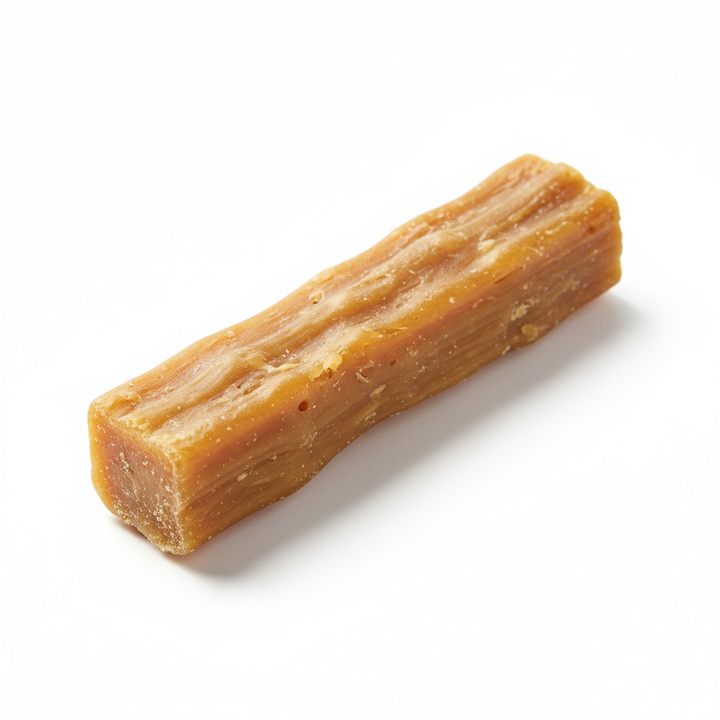
Pressure wraps (like Thundershirts) have mixed research but consistent anecdotal support — particularly for noise phobias and travel anxiety. The mechanism appears to be similar to swaddling: constant gentle pressure activates the parasympathetic nervous system. Calming chews that combine L-theanine with chamomile, valerian, and passionflower provide multi-mechanism support for situational use. Browse our dog calming and anxiety support collection for wraps, calming chews, and enrichment tools that address stress at the behavioral level.