How to Keep Your Dog Cool in Summer: Dog Cooling Mats and Hot-Weather Essentials

Heat stress in dogs escalates faster than most owners expect. Dogs cannot sweat through their skin the way humans do — they regulate body temperature almost entirely through panting, and when ambient temperatures rise too high, panting alone is not enough. A dog cooling mat addresses this directly, and for active families, it is one of the most practical warm-weather investments you can make.
How Dog Cooling Mats Work
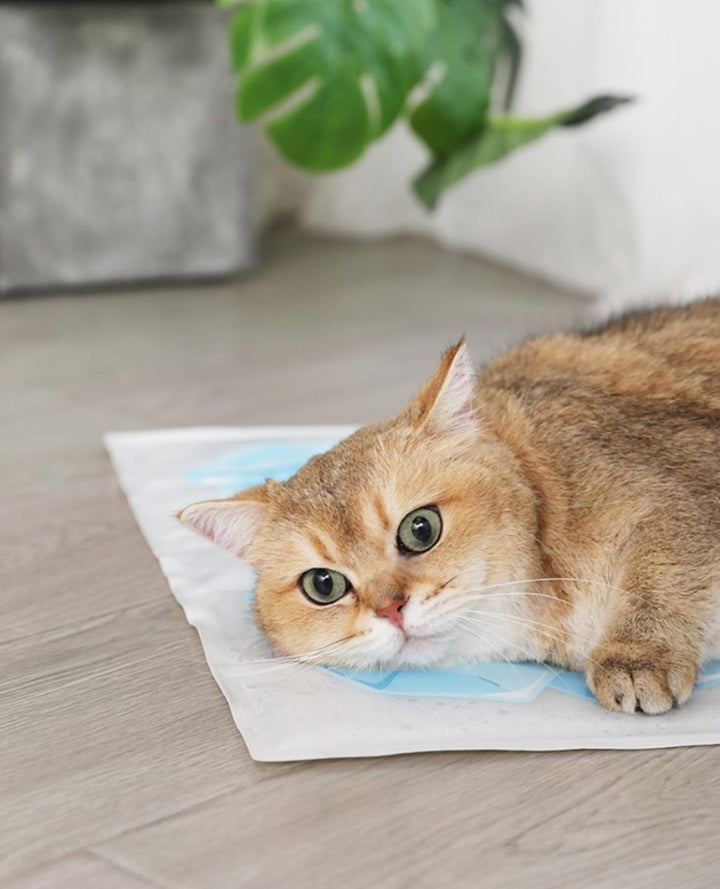
Most pressure-activated cooling mats use a gel that absorbs your dog's body heat on contact, then slowly releases it into the air when the dog moves off the mat. The key advantage is that they require no water, no electricity, and no refrigeration. You lay the mat down, your dog lies on it, and the cooling starts immediately. Reactivation happens passively in about 15-20 minutes after use.
Phase-change cooling mats work on a similar principle but use a material that absorbs heat as it transitions between solid and liquid states. These tend to have a longer effective cooling window but require more time to reset. Both types are significantly more effective than a regular dog bed for managing core temperature in warm weather.
When to Use a Dog Cooling Mat
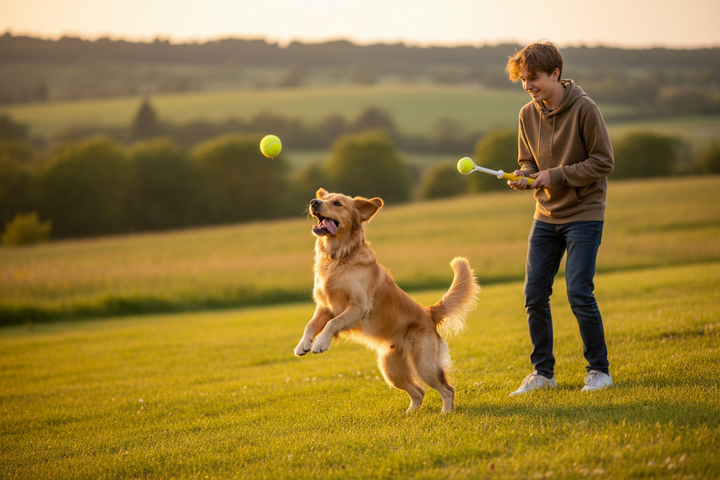
The most obvious use case is indoors during hot weather — particularly for dogs in homes without air conditioning, brachycephalic breeds (bulldogs, pugs, French bulldogs) who overheat easily, senior dogs with compromised thermoregulation, and dogs recovering from illness or surgery. A cooling mat also makes a significant difference in a vehicle on warm days, in crates during travel, and outdoors at events or on trail breaks.
Warning signs of heat stress to watch for: excessive drooling, bright red gums, labored breathing, disorientation, and collapse. If you see these, cool the dog immediately with water and contact a vet. A cooling mat is preventive — not a treatment for active heat stroke.
What to Look for in a Dog Cooling Mat
Size: Your dog should be able to lie fully on the mat with their body in contact. Measure your dog from nose to base of tail and choose a mat that accommodates that length. A mat that is too small defeats the purpose.
Durability: Look for puncture-resistant covers rated for chewing. If your dog is a chewer, opt for a mat with a thicker outer shell. The gel in most cooling mats is non-toxic, but you still do not want it ingested.
Portability: For trail and travel use, look for rollable or foldable designs that pack flat. The best outdoor cooling mats pair lightweight construction with durable materials.
Easy cleaning: The mat surface will accumulate dirt, hair, and saliva. A wipeable, water-resistant cover is the most practical choice for daily use.
Beyond the Mat: Full Hot-Weather Protocol
A cooling mat is one piece of a complete summer safety approach. Walk dogs in the early morning or evening when pavement temperatures drop — asphalt can exceed 160°F on a hot day and burn paws in under a minute. Carry water on every walk. Know your breed's heat tolerance (northern and brachycephalic breeds are most vulnerable). Watch for signs of pad burns: limping, licking paws, discoloration.
Browse our full range of dog supplies for warm-weather essentials. A well-prepared family means a dog that stays safe and comfortable all summer long.