Why Paw Care Matters: A Guide to Dog Paw Cleaners, Balms, and Between-Walk Maintenance

Your dog's paws are the interface between the outside world and your home. Every walk deposits pollen, pesticides, road salt, bacteria, and debris into the fur and pads. A dog paw cleaner is not just a convenience — for dogs with environmental allergies or sensitive skin, it is an important part of managing symptoms and preventing secondary infections.
Why Paw Cleaning Matters More Than Most Owners Realize
Environmental allergies in dogs are primarily triggered by what enters through the skin — and the paws, with their constant ground contact, are a primary entry point. Dogs with seasonal allergies who chronically lick their paws are often reacting to pollen and allergens absorbed from surfaces, not just from inhalation. Rinsing or wiping paws after outdoor time removes the allergen load before it cycles into the coat and triggers a reaction.
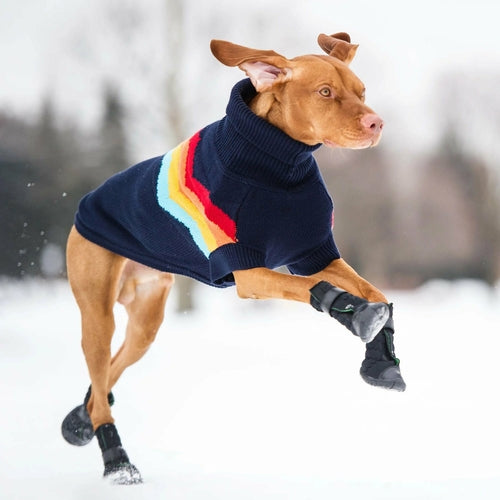
Road salt and de-icing chemicals used in winter cause chemical burns on pads when left in contact. Pesticides and herbicides applied to lawns are absorbed transdermally. Even standard dirt and debris, if allowed to accumulate in the interdigital spaces, creates a moist environment where yeast and bacterial infections take hold.
Types of Dog Paw Cleaners
Cup-style paw cleaners: A cylindrical cup with soft silicone or rubber bristles on the inside. You add a small amount of water, insert the paw, and twist gently. Effective at removing dirt and debris from between toes and around the pads. Best for medium to large dogs after walks on muddy terrain.
Paw wipes: Pre-moistened wipes for quick cleanups. Look for plant-based, fragrance-free options without alcohol or synthetic disinfectants. Ideal for allergen removal after dry-weather walks or light surface contact.
Paw rinse sprays: Applied directly to the paw and wiped off with a towel. Useful for allergen reduction when a full rinse is impractical.
Paw balms: Not a cleaner per se, but an essential companion. Applied after cleaning, a good paw balm hydrates cracked pads, creates a protective barrier against salt and chemicals, and supports skin integrity in dogs who work outdoor terrain. Look for beeswax, shea butter, or coconut oil-based formulas without synthetic fragrances.
Building a Paw Care Routine
After every walk: wipe or rinse paws before your dog settles indoors. This habit takes thirty seconds and significantly reduces allergen load, debris accumulation, and secondary infection risk. After winter walks: always rinse pads if de-icers may have been present. Inspect between toes weekly for redness, swelling, or debris. Trim the fur between toe pads monthly — long fur traps debris and moisture.
Browse our dog health and care collection for paw cleaning tools, balms, and the grooming essentials your dog needs. Consistent paw care is one of the simplest things you can do to improve your dog's comfort and reduce vet visits.