How to Use Freeze Dried Treats for Dog Training: High-Value Rewards That Actually Work

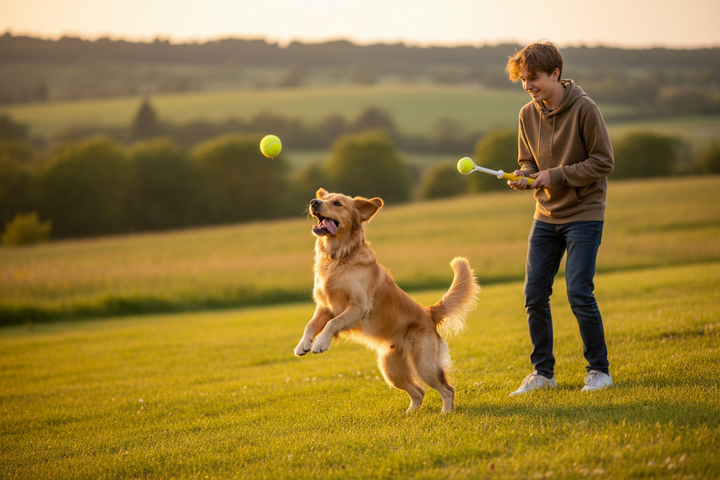
Not all training treats are created equal, and the difference between a mediocre reward and a high-value one is the difference between a dog who performs reliably and a dog who performs when they feel like it. Freeze dried dog treats consistently outperform conventional training rewards for one simple reason: dogs respond to real food, and freeze dried treats are exactly that.
Why Treat Value Matters in Training
In behavioral science, the concept of reinforcement value refers to how motivating a reward is to the animal receiving it. A dog will work harder, maintain focus longer, and generalize behaviors more reliably when the reward is something they genuinely want. For most dogs, the reinforcement hierarchy runs roughly: dry kibble at the bottom, conventional baked treats in the middle, and high-moisture, high-protein foods — like freeze dried meat — at the top.
The aroma is the primary driver. Freeze dried treats retain the natural smell of raw meat because the freeze-drying process removes moisture without heat, leaving the volatile aromatic compounds intact. Conventional treats processed at high temperatures lose most of this aroma. Your dog's nose contains 300 million olfactory receptors — they know the difference before the treat reaches their mouth.
Best Freeze Dried Treats for Training
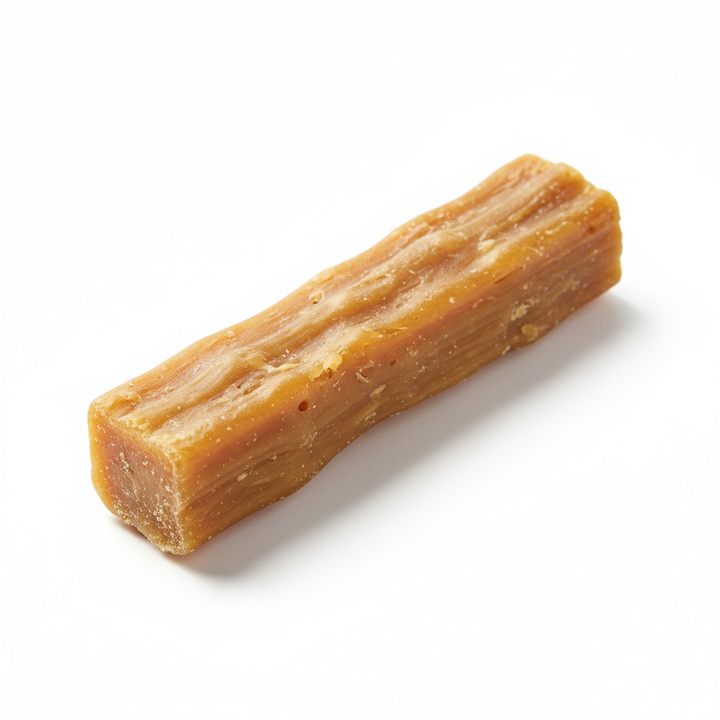
Liver (beef, lamb, chicken): Consistently the highest-value training reward for most dogs. The intense aroma and rich flavor make liver treats effective even in high-distraction environments. Break into pea-sized pieces — liver is calorie-dense, so small pieces go a long way in a training session.
Single-protein meat treats (chicken breast, turkey, beef): High protein, low fat, and easily portioned. Excellent for dogs with food sensitivities where you need a clean, known protein source. Chicken breast freeze dried treats are often the go-to for dogs on elimination diets.
Fish (salmon, cod, whitefish): Strong aroma, high in omega-3s, and often highly motivating for dogs who are less interested in red meat. Particularly useful for dogs with skin or coat issues, where the omega-3 content of the treat adds nutritional benefit to the training session.
How to Use Freeze Dried Treats Effectively
Keep pieces tiny: Training sessions involve many repetitions. Each reward should be pea-sized or smaller — enough to deliver the flavor hit without filling the dog up. Many freeze dried treats can be crumbled with your fingers mid-session.
Vary the reward rate: Once a behavior is well established, shift to variable reinforcement — reward unpredictably rather than every time. Variable reinforcement schedules produce the most persistent behavior. Reserve the highest-value treats for the most challenging asks: recall in distracting environments, duration behaviors, new environments.
Use value strategically: Do not use your highest-value treats for simple behaviors your dog already knows cold. Save the freeze dried liver for recall practice at the dog park. Use standard treats for sit-stay in the kitchen.
Watch the calorie budget: Training sessions can add up. On heavy training days, reduce meal portions proportionally. A good rule: treats should not exceed 10% of daily caloric intake.
Browse our complete freeze dried dog treats collection for single-ingredient, high-protein training rewards. Every product is hand-selected for ingredient quality, protein sourcing, and honest labeling. Real food makes real training results.