Puppy Care Essentials: Nutrition, Socialization, and the First-Year Checklist

Nutrition: The Foundation Is Laid Early
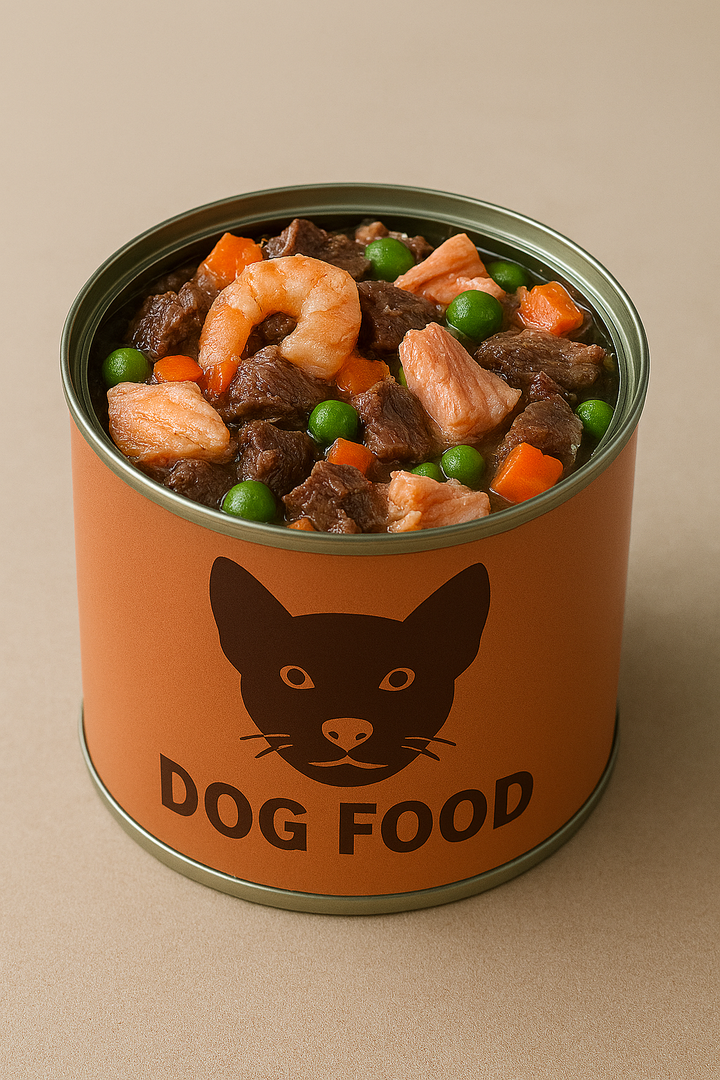
Puppies grow rapidly — many breeds double or triple their birth weight in the first few weeks. This growth requires nutritional support that adult dog food does not provide. Feed a food specifically formulated for puppies (or "all life stages"), with a protein source you can identify (chicken, beef, salmon — not "poultry by-product meal") listed first. Large breed puppies have specific calcium-to-phosphorus ratio requirements — too much calcium during rapid growth contributes to developmental orthopedic disease (DOD). For large and giant breeds, look for food specifically formulated for "large breed puppy" — the ratio is different from standard puppy food.
Browse our puppy food and nutrition collection for age-appropriate puppy diets and our freeze dried treats for high-value training rewards that work from the first day of training.
Socialization: The Window You Cannot Reopen
The socialization window for dogs runs from approximately 3-14 weeks of age — a brief, critical period during which positive, varied exposures become the foundation for a confident, adaptable adult dog. Puppies who miss adequate socialization during this window are more likely to develop fear-based reactivity, noise phobias, and aggression in adulthood, and these problems are significantly harder to address than prevent.
Socialization means controlled, positive exposure to: people of different ages, appearances, and behaviors; other dogs of varying sizes and energy levels; new environments and surfaces; common household sounds and stimuli; handling of all body parts (feet, ears, mouth, tail). Quantity matters — aim for dozens of positive novel exposures during this window, not a handful.
Training: Start Now, Keep It Short
Puppies have short attention spans but high neuroplasticity — they learn quickly in brief sessions. 3-5 minute training sessions, multiple times daily, teach the foundation behaviors (sit, down, stay, come, leave it) and establish the communication framework for every interaction that follows. Use high-value rewards — small pieces of freeze dried treats are ideal — and positive reinforcement exclusively. Punishment and aversion in puppies increases fear and inhibits the confidence needed for reliable training.
The First Year: What to Expect and When
Weeks 8-16: Maximum socialization priority. Vaccines on schedule. Begin foundation training. Months 4-6: Teething (provide appropriate chews — browse our dog chews and enrichment collection). Adolescence begins in some breeds. Months 6-12: Adolescent behavior changes — increased independence, selective hearing, testing boundaries. This is normal; consistent training and adequate exercise and enrichment are the solution. Most breeds benefit from being spayed or neutered during this window; discuss timing with your vet based on breed size.