Gerbil Care for Beginners: Everything You Need Before You Start

Small Pet, Specific Needs
Gerbils are small, active, and genuinely engaging pets — but they have a handful of specific requirements that aren't obvious to first-time owners. Getting these right from the start makes everything straightforward. Getting them wrong leads to a stressed animal and a lot of difficult fixes later on.
They Must Be Kept in Pairs
Gerbils are social animals that live in family groups in the wild. A solitary gerbil is a suffering gerbil. Without the company of another gerbil, they experience chronic stress that affects behavior, immune function, and lifespan. Same-sex pairs from the same litter are the most straightforward arrangement — two sisters or two brothers bond naturally and rarely fight. Never house a gerbil alone unless there is a medical reason to do so.
Lifespan and What It Means
Gerbils typically live three to five years. That's a real commitment, especially if you're setting this up for children. Make sure everyone in the family understands that proper care lasts for the animal's entire life — not just the exciting first few weeks. Daily feeding, fresh water, and regular enclosure cleaning don't stop once the novelty wears off.
Why You Need a Tank, Not a Wire Cage
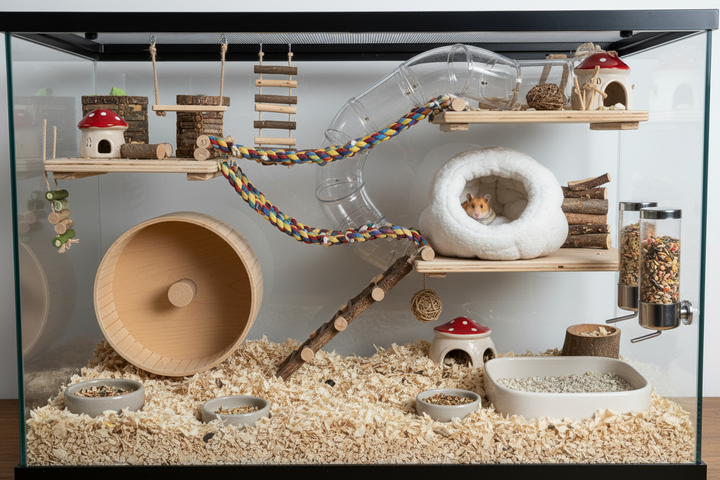
A wire cage is the wrong enclosure for gerbils, and this surprises a lot of new owners. Gerbils are intense burrowers — it's not optional behavior, it's a core need. Deep substrate is required, and wire cage bases don't accommodate that. More practically, gerbils kick bedding constantly while digging — a wire cage will scatter material all over your room within days. A glass tank with a secure mesh lid is the right choice. It contains the mess, supports deep substrate, and keeps the environment stable.
Activity Patterns
Gerbils are neither strictly nocturnal nor strictly diurnal. They operate in short bursts of activity spread throughout the day and night. This makes them more interactive than purely nocturnal pets — you'll see them active during daylight hours regularly, especially in rooms with natural light cycles. They're curious and alert, and once comfortable with you, handling sessions become genuinely enjoyable.
Start Handling Early
Gerbils handled gently and consistently from a young age become confident and easy to work with. Older or unhandled gerbils can be skittish and difficult to settle. If you're starting with young animals, begin short daily handling sessions from day one. Move slowly, speak quietly, and let them come to you rather than scooping them immediately. Trust builds quickly when you don't rush it.
Gerbils are rewarding pets when their actual needs are met. Pair housing, the right enclosure, deep substrate for burrowing, and patient handling from the start — get those right and you're in a great position.