Guinea Pig Diet 101: Hay, Vitamin C, and What to Never Skip

Hay Is the Foundation, Not an Accessory
Unlimited timothy hay should make up around 80% of a guinea pig's daily diet. That's not a suggestion — it's a physiological requirement. Guinea pig teeth grow continuously throughout their lives, and the grinding motion required to chew long-strand hay is what keeps them worn down properly. Without enough hay, dental problems develop silently until they become serious. Beyond teeth, hay keeps the digestive system moving. A guinea pig that isn't eating hay is a guinea pig heading toward trouble.
Keep a hay rack filled at all times and replenish it daily. Timothy hay is the right choice for adult guinea pigs. Orchard grass works as an alternative for picky eaters. Avoid alfalfa hay for adults — it's too rich in calcium and protein and is reserved for young or pregnant animals only.
Vitamin C: Non-Negotiable, Every Single Day
Guinea pigs cannot synthesize their own Vitamin C. A deficiency leads to scurvy — swollen joints, lethargy, poor wound healing, and a lot of suffering that's entirely preventable. The correct way to deliver it is through fresh vegetables, not through supplements added to drinking water. Water-based supplements degrade rapidly, and you have no reliable way to know how much your pig actually consumed.
These fresh foods are excellent daily sources:
- Red bell pepper — one of the highest natural Vitamin C sources available, and most guinea pigs love it
- Romaine lettuce — a solid daily staple in reasonable amounts
- Parsley — high in Vitamin C, but limit it due to calcium content
- Cilantro — nutritious and usually well-received
Pellets: Small Amount, High Quality
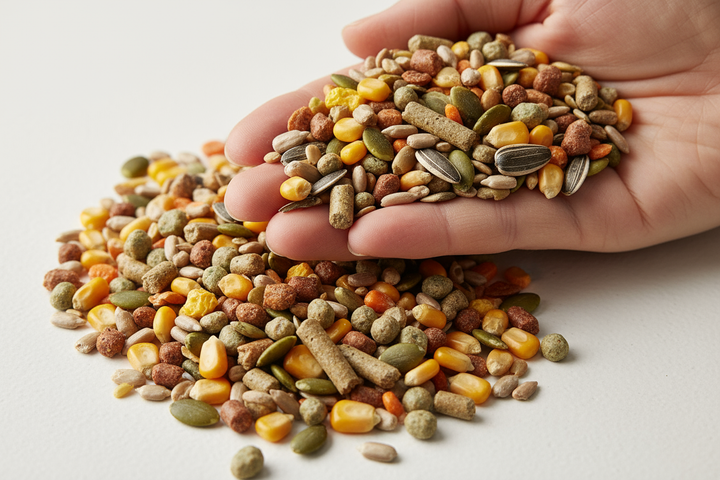
Pellets supplement the diet — they don't anchor it. About an eighth of a cup per guinea pig per day is appropriate. Choose plain, timothy-based pellets from quality brands like Oxbow or KMS Hayloft. Skip anything that contains seeds, colorful pieces, or dried fruit. Those additions look appealing in the bag but create selective eating habits and add unnecessary sugar.
Foods to Avoid
- Iceberg lettuce — low nutrition, can cause loose stools
- Spinach and kale — too high in oxalic acid for regular feeding
- Onions, garlic, and leeks — toxic to guinea pigs
- High-sugar fruit — treat only, never a daily food
- Processed human food of any kind
Fresh Water Every Day
Guinea pigs need clean, fresh water available at all times. A sipper bottle or a heavy ceramic bowl both work — just clean it daily. Stale water encourages your pig to drink less, which affects digestion and kidney health. Don't let it sit.
Get the diet right and you're giving your guinea pig the foundation for a long, healthy life. Hay, daily Vitamin C from real food, quality pellets in measured amounts, and clean water. That's the whole picture.