Guinea Pig Health Basics: Signs Something Is Wrong and When to See a Vet

Know What Normal Looks Like First
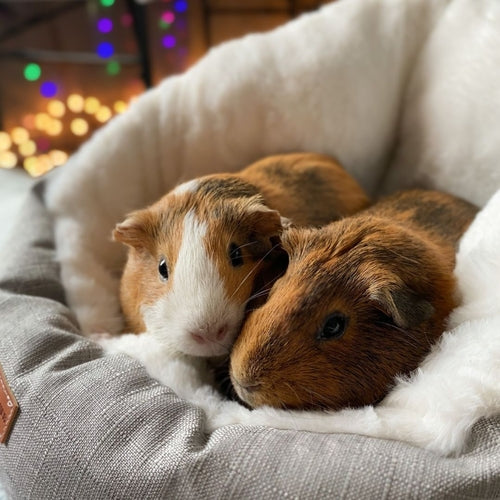
Before you can spot illness, you need a baseline for your specific animal. A healthy guinea pig is alert, curious, and eating regularly. Their eyes are bright, their coat is even and full, their breathing is quiet and unlabored. They should produce steady amounts of well-formed droppings throughout the day. Any significant change from their personal baseline is worth paying close attention to.
Warning Signs You Shouldn't Ignore
Guinea pigs are prey animals and instinctively conceal discomfort. By the time a guinea pig is visibly unwell, the problem has often been building for a while. Watch for these:
- Hunched posture — sitting tucked in rather than relaxed is a classic sign of pain or illness
- Loss of appetite — a guinea pig that stops eating, even for a few hours, is a medical concern
- Weight loss — weekly weigh-ins with a kitchen scale catch this early; more than a two-ounce drop in a week warrants a vet visit
- Tooth grinding — a slow, grinding sound indicates pain, most often dental
- Labored or noisy breathing — can signal an upper respiratory infection or something more serious
- Discharge from eyes or nose — any crustiness or discharge needs investigation
Dental Disease Is Very Common
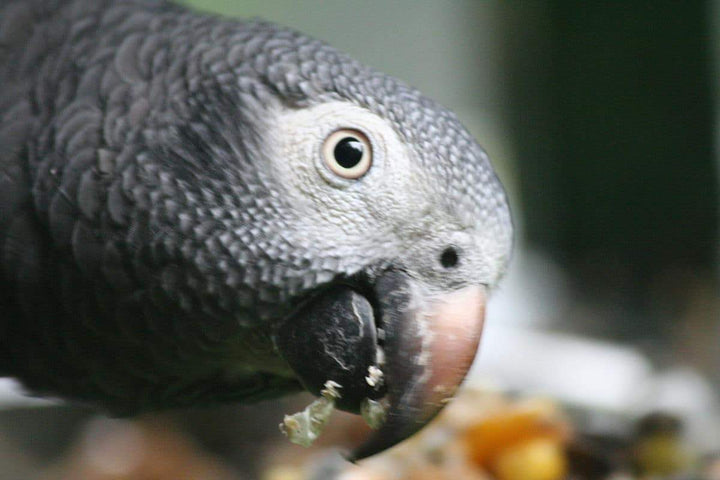
Dental problems are among the most frequent health issues in guinea pigs. Their teeth grow continuously throughout their lives. Without adequate hay to grind them down, malocclusion develops — the teeth misalign and the animal can no longer eat normally. If your pig is dropping food, drooling, or quietly losing weight, dental disease should be your first suspicion. Regular hay consumption is both the cause of good dental health and the primary prevention.
URIs and Bloat
Upper respiratory infections are common, especially in drafty or cold conditions or when guinea pigs are exposed to new animals. Symptoms include sneezing, nasal discharge, labored breathing, and lethargy. URIs deteriorate quickly in small animals — if you suspect one, see a vet promptly rather than waiting to see if it resolves on its own.
Bloat is less common but serious. A distended, hard belly paired with a refusal to eat and sudden lethargy requires emergency veterinary care.
Weekly Weigh-Ins at Home
A kitchen food scale is one of the most useful tools in your guinea pig care kit. Weigh your pig weekly and log the number. Guinea pigs can lose significant weight before it becomes visually obvious due to their coat. Catching a downward trend early gives you options. Waiting until you can see weight loss means the problem is already advanced.
Find a Cavy-Savvy Vet Before You Need One
Not every veterinarian has meaningful experience with guinea pigs. Before your pig ever gets sick, identify an exotic vet or a practice with documented small-animal experience. Ask directly about their guinea pig caseload. Having a trusted vet relationship in place before an emergency makes every health situation far less stressful.