Setting Up the Perfect Guinea Pig Habitat: Space, Cage Type, and Layout

Space Is a Requirement, Not a Luxury
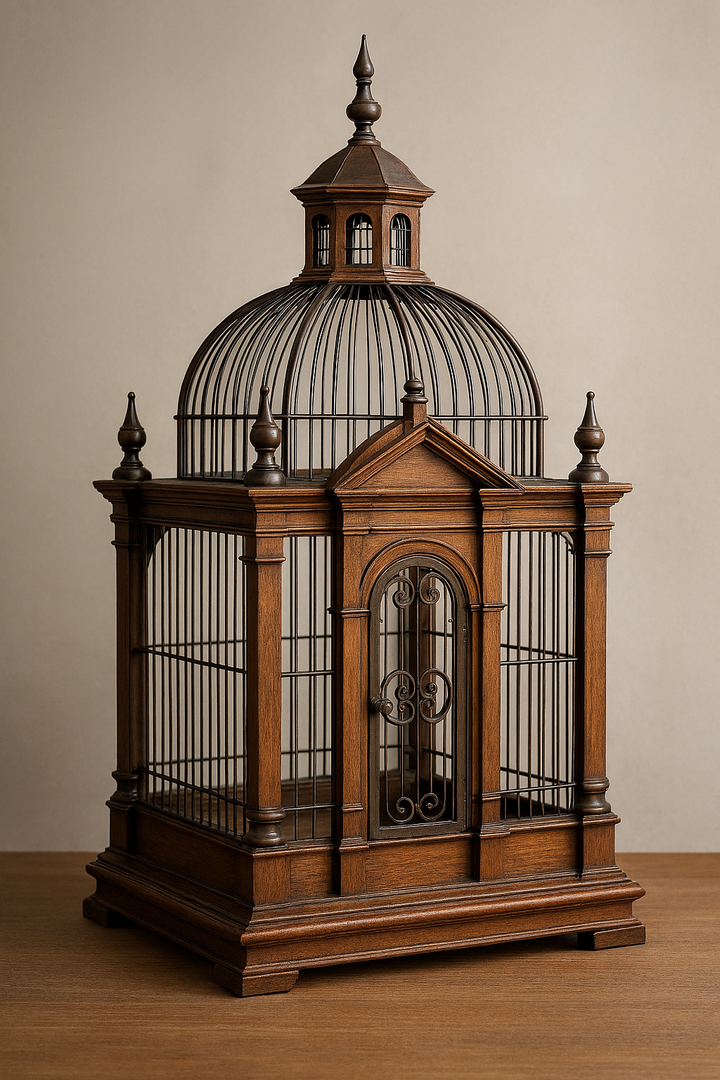
The single biggest mistake new guinea pig owners make is buying a cage that's too small. Pet store cages marketed for guinea pigs are almost universally undersized. The minimum recommended floor space for a pair of guinea pigs is 7.5 square feet — and more is always better. These are active animals that need room to run, explore, and behave naturally. A cramped enclosure leads to stress, boredom, and behavioral problems regardless of how good everything else is.
The C&C cage system — cubes and coroplast — is the gold standard. It's affordable, fully customizable, and easy to expand as your herd grows. You can build exactly what your guinea pigs need for a fraction of the cost of a commercial cage.
Flooring: Fleece vs. Paper Bedding
Wire floors are a hard no. They cause foot injuries and chronic pain. Every surface your guinea pigs walk on must be solid.
For bedding, you have two strong options:
- Fleece liners — soft, washable, and reusable. Requires washing every two to three days to stay clean and odor-free.
- Paper bedding — absorbent, disposable, and effective at controlling odor. Choose unscented options. Requires daily spot-cleaning and regular full changes.
Both work well. Fleece has a higher upfront cost but saves money over time. Paper bedding is simpler if laundry isn't in your routine. Choose what fits your life — the best bedding is the one you'll actually stay on top of.
Hidey Houses: One Per Pig
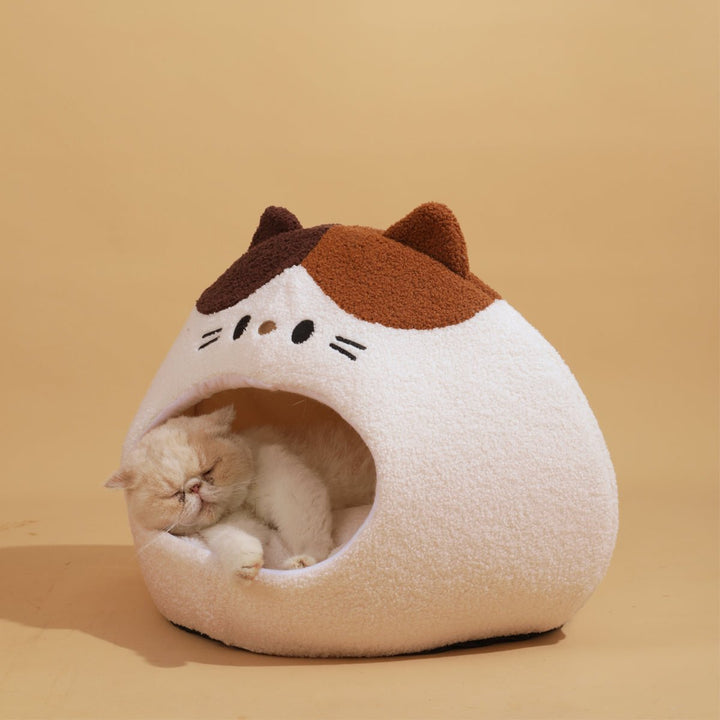
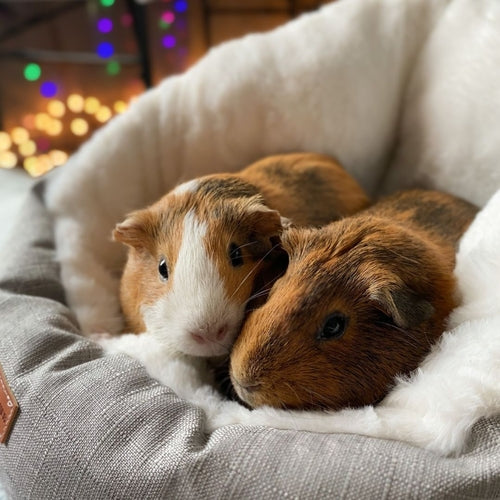
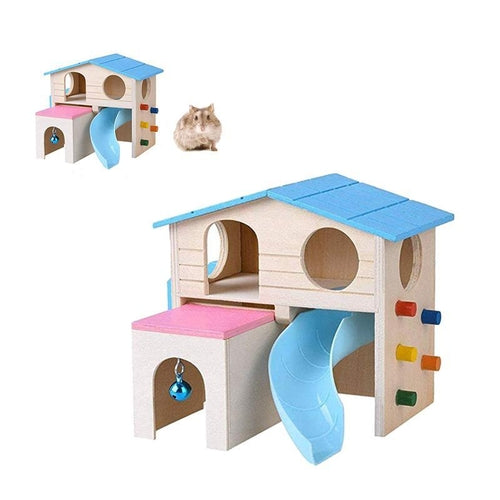
Guinea pigs are prey animals. They need a place to feel safe and hidden, especially when startled. Provide at least one hidey house per pig — and make sure each is large enough that one pig can't block the entrance and trap another inside. Multiple hides encourage natural behavior and reduce territorial squabbling.
Hay Rack, Water, and Layout
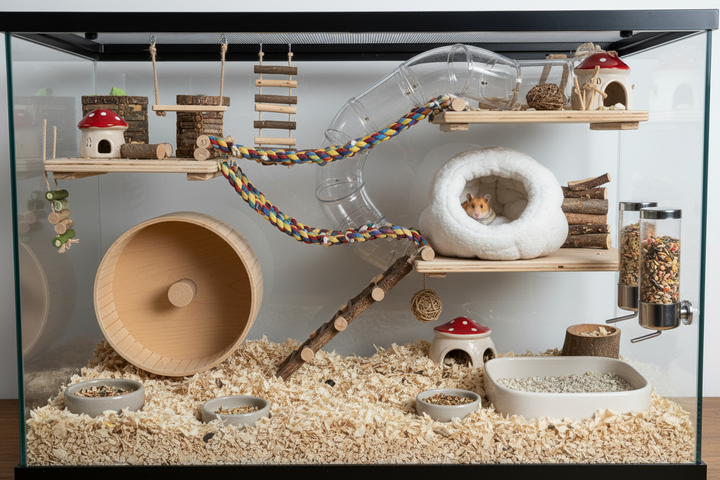
A hay rack mounted on the side of the enclosure keeps hay clean and accessible without it getting buried in the bedding. Position it where both pigs can reach it without crowding. A water bottle attached to the cage wall or a heavy ceramic bowl works for water — clean it every single day.
Daily Floor Time Is Not Optional
Even in a well-sized cage, guinea pigs need daily time outside the enclosure — at least an hour in a safe, guinea-pig-proofed area. A playpen or a blocked-off section of a room works well. This time provides mental stimulation, exercise, and bonding opportunity. It's a non-negotiable part of their daily care routine, not a nice extra.
Get the setup right from the start. Proper space, solid flooring, one hide per pig, a good hay rack, and daily floor time — that's the difference between a guinea pig that thrives and one that merely survives.