Hedgehog Housing: Cage Size, Wheel Type, and Temperature Requirements

Floor Space: Minimum Two by Four Feet
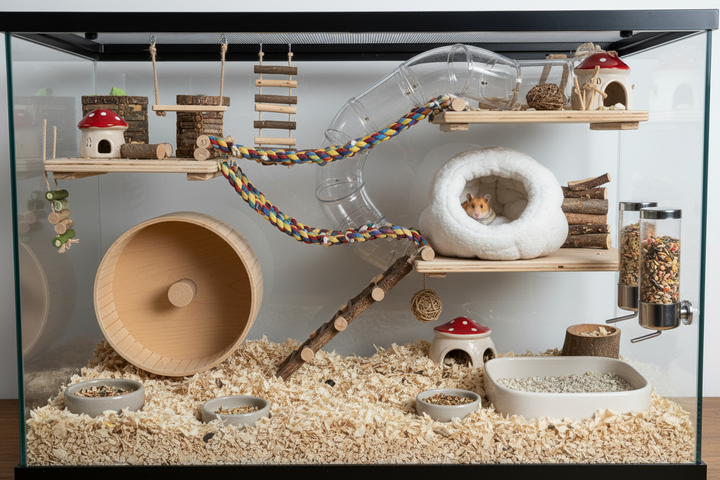
Hedgehogs are surprisingly active for their size. In the wild, they cover several miles in a single night. In captivity, they need space to express that drive — primarily through wheel running, but also through general exploration of their environment. The minimum floor space is two feet by four feet. Anything smaller doesn't give a hedgehog adequate room and is a welfare concern regardless of how well-equipped it appears.
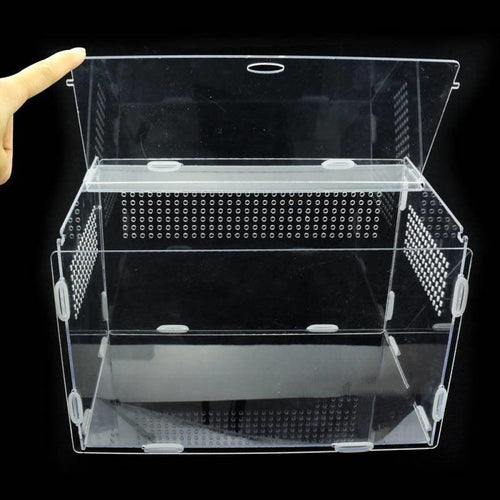
Bin cages built from large plastic storage totes are popular because they're affordable, have solid floors, and are easy to clean. Commercial wire cages designed for ferrets or rabbits can also work, provided the floor is solid and the bar spacing is appropriate.
Solid Floors Only — No Wire
Wire-floor cages are not appropriate for hedgehogs. Their small feet catch in wire mesh, leading to leg injuries and a painful pressure-sore condition called bumblefoot. Every surface your hedgehog walks on must be solid. If you're using a cage with a wire bottom, cover the entire floor with a solid liner — fleece, a rubber mat, or a solid plastic insert. No exceptions, regardless of how fine the mesh appears.
The Wheel: Solid Surface, 10 to 12 Inches
A wheel is essential for a hedgehog, not optional. Without one, there is no adequate outlet for natural nightly activity, leading to stress, obesity, and repetitive behaviors. The wheel must meet specific criteria:
- Solid running surface — no bars, no mesh. Carolina Storm Bucket Wheels and Niteangel wheels are well-regarded solid-surface options.
- 10 to 12 inches in diameter — 10 inches is the minimum for a standard adult hedgehog. Larger is better for spinal health.
- No center axle contacting the hedgehog's back — this causes spinal stress over time with regular use
Temperature: 72 to 80 Degrees Fahrenheit
Hedgehogs are highly temperature-sensitive. Below 72°F they risk entering torpor — a dangerous hibernation-like state that can be fatal for this species. Maintain their environment between 72°F and 80°F consistently throughout the year. In drafty rooms or during winter, a ceramic heat emitter or a reptile-style heat lamp may be necessary. Place a thermometer inside the enclosure to get actual temperature readings — guessing is not sufficient.
Bedding and the Hideout
Cedar and pine shavings contain aromatic oils that irritate hedgehog respiratory systems and skin — avoid both entirely. Paper-based bedding is safe and effective. Fleece liners work well and are reusable with regular washing. Provide one enclosed hideout — a wooden or plastic igloo-style hide — where your hedgehog can sleep undisturbed through the day. Hedgehogs are deep daytime sleepers and need a dark, secure space to rest properly.