What Do Hedgehogs Eat? A Simple High-Protein Diet Guide

High Protein, Low Fat — The Core Principle
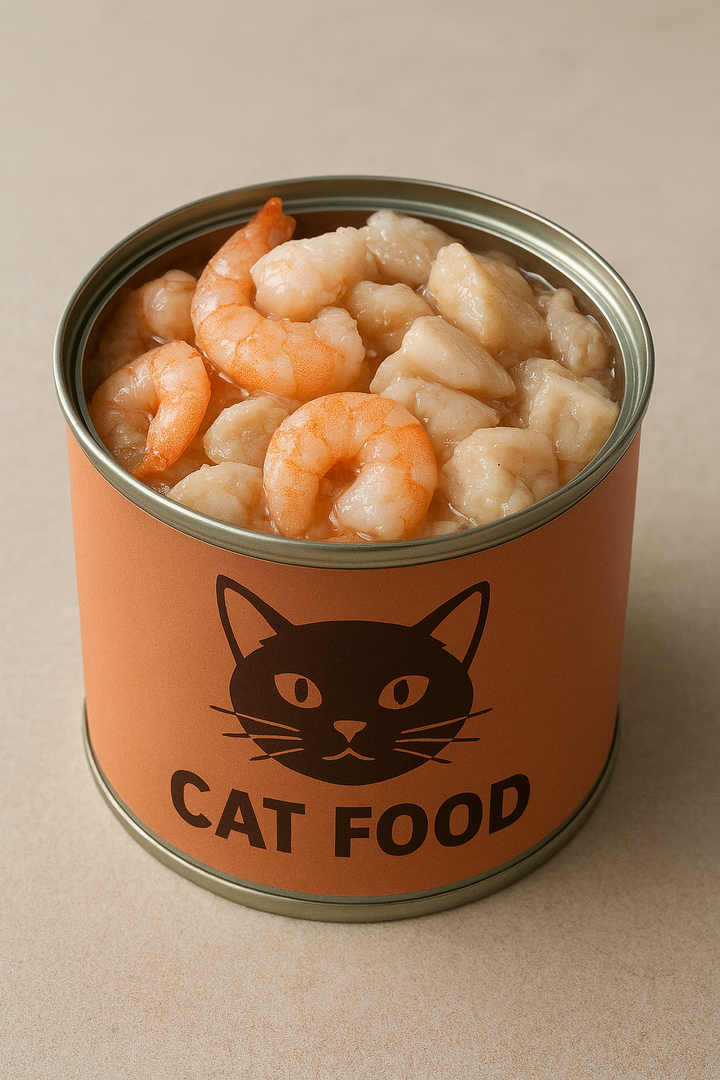
Hedgehogs are insectivores by nature. Their wild diet is built around insects, grubs, and small creatures. In captivity, the closest practical equivalent is high-quality, high-protein, low-fat kibble — either a formulated hedgehog food or a quality cat food that hits the right nutritional targets. Protein should ideally fall in the 28 to 35 percent range; fat should stay below 15 percent. Obesity is one of the most common health problems in captive hedgehogs, and it almost always traces back to a diet too high in fat or offered in excess.
Choosing the Right Kibble
Not all kibble works for hedgehogs. Key things to look for:
- Avoid fish-based formulas — hedgehogs don't metabolize fish proteins well, and fish-based foods contribute to obesity and very strong-smelling waste
- Avoid high-fat formulas — senior or weight-management cat foods often hit better nutritional targets than standard adult formulas
- Check the first ingredient — chicken or turkey should lead, not corn, soy, or unspecified byproducts
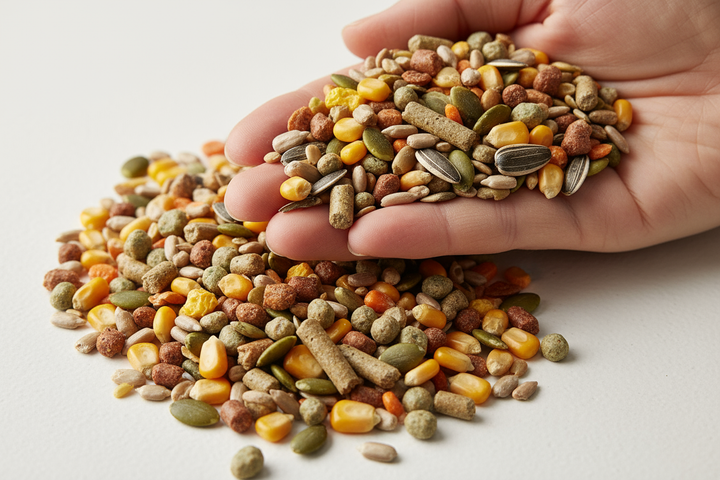
- Avoid mixed or gourmet hedgehog foods — dried fruit, colored pieces, and seeds add sugar and fat without nutritional value
Live and Dried Insects: An Important Supplement
Insects should be offered two to three times per week. Mealworms and crickets are the most practical options. Live insects provide enrichment in addition to nutrition — a hedgehog hunting a live cricket is actively engaged and exercising. Dried insects are more convenient and still nutritionally useful. Keep amounts moderate. Mealworms in particular are high in fat — a small handful offered a few times per week, not a bowl every night.
Foods to Avoid Entirely
- Grapes and raisins — toxic to hedgehogs
- Citrus fruits — too acidic
- Onion and garlic — toxic
- Avocado — toxic
- High-sugar fruits — tiny occasional pieces of apple or melon are acceptable, but sugar contributes to obesity and dental problems
- Dairy and processed meats — not appropriate
Portion Control and Fresh Water
Most hedgehogs will overeat given the opportunity. Offer approximately one to two tablespoons of kibble per night — feed in the evening when they're naturally active. Monitor weight monthly. A healthy hedgehog has a visible waist when viewed from above and can curl into a complete ball without difficulty. A hedgehog that cannot fully curl up is almost certainly carrying excess weight.
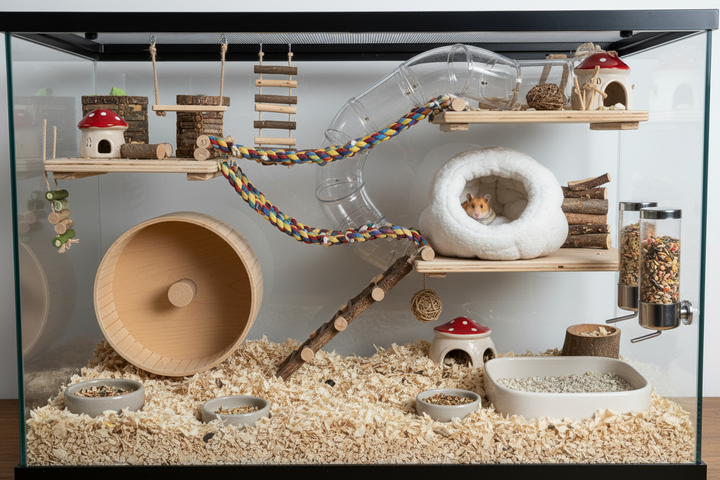
Fresh water should be available at all times in a shallow ceramic dish or a sipper bottle. Change it daily. Some hedgehogs get their tongue caught in poorly fitting sipper tubes — check that the ball mechanism works freely, or use a shallow dish to be safe.