Hermit Crab Care 101: Housing, Shells, Humidity, and Diet for Healthy Crabs

The Pet Store Myth
Hermit crabs are among the most misrepresented animals in the pet trade. Sold in small plastic boxes at beach shops and mall kiosks with painted shells and painted-shell displays, they are treated as disposable novelties. The truth is that hermit crabs in proper conditions can live 10-30 years, are highly social animals with complex behaviors, and have specific environmental requirements that the typical "starter kit" does not come close to meeting. Getting them right from the start is the difference between a crab that lives a week and one that becomes a genuine long-term companion.
Housing: Size and Setup
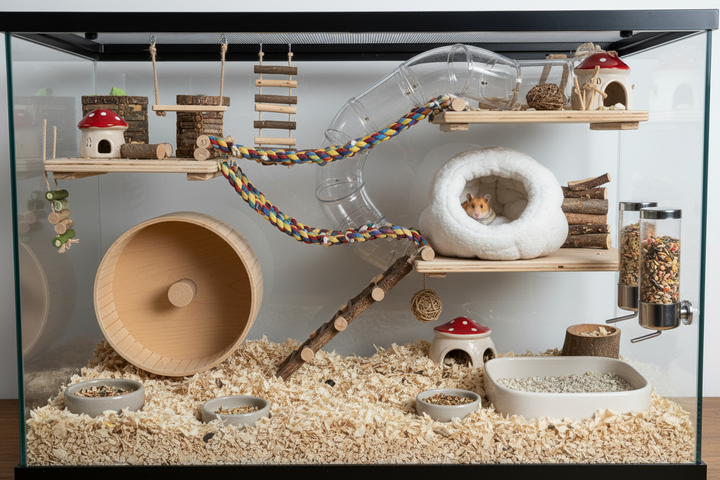
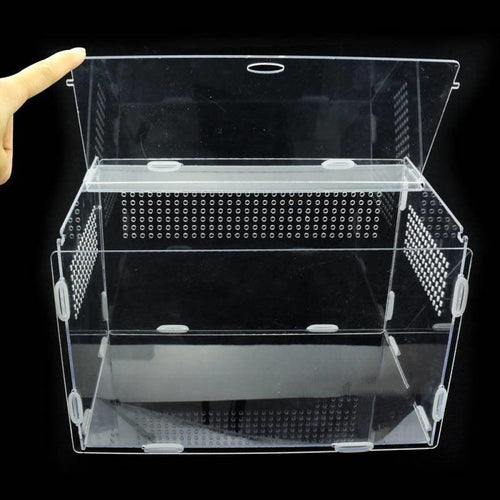
The minimum for two crabs is a 10-gallon glass aquarium — but 20-30 gallons is significantly better and what experienced keepers recommend for a starter colony. Hermit crabs need to burrow to molt safely — substrate depth must be at least 6 inches (3x the height of your largest crab), made of a 5:1 mix of play sand and coconut fiber (coco coir) that holds its shape when molded, like damp sand. A mix that collapses is a molt chamber collapse — which kills molting crabs. Browse our small animal and critter habitat collection for appropriate substrate and enclosure accessories.
Humidity and Temperature: Non-Negotiable
Hermit crabs breathe through modified gills that must stay moist to function. Enclosure humidity must be maintained at 70-80% (use a digital hygrometer — cheap analog gauges are notoriously inaccurate). Temperature should stay in the 72-82°F range. Dry air kills hermit crabs through gill damage that prevents them from extracting oxygen — it is a slow death that looks like lethargy and is often mistaken for normal behavior. A glass aquarium with a screened top (covered partially with plastic wrap to retain humidity) or a purpose-built crabitat maintains conditions effectively.
Water: Both Salt and Fresh
Hermit crabs require access to both dechlorinated fresh water and marine-grade saltwater (made with aquarium salt, NOT table salt) at all times. They use both for drinking, bathing, and gill maintenance. Containers should be deep enough for full submersion — crabs need to submerge periodically to clean their shells and regulate hydration. Use a water conditioner to neutralize chlorine and chloramines from tap water. Browse our hermit crab care collection for water conditioners, salt mix, and appropriate dishes.
Shells: Always Have Extras
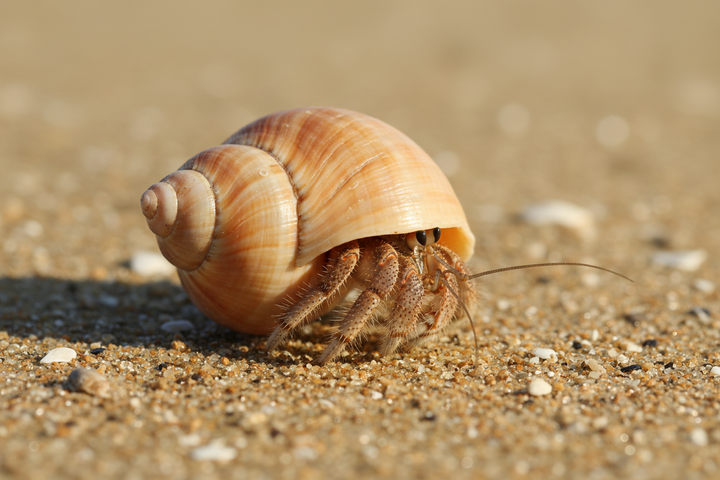
Hermit crabs do not grow their own shells — they wear found gastropod shells and must be able to upgrade as they grow. Always maintain a selection of empty, clean natural shells in various sizes (larger than your current crabs' shells by 10-20% for the next molt). Painted and decorated shells are harmful — the paint is toxic when ingested during the shell-switching process. Provide plain, natural turbo, cerith, and other round-opening shells from a variety of sizes. Browse our hermit crab supplies collection for appropriate natural shell selections.