Hermit Crab Molting: What to Expect, How to Protect, and Why It Matters

What Molting Is and Why It Happens
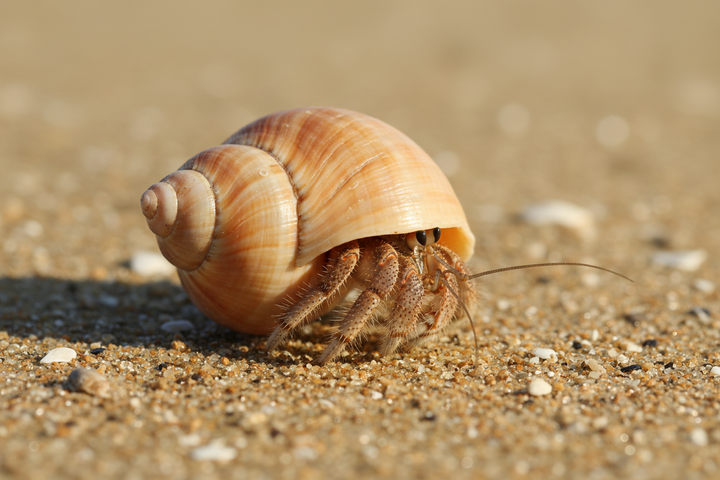
Hermit crabs are crustaceans — they grow by shedding their rigid exoskeleton in a process called molting. During a molt, the crab withdraws underground into its substrate burrow, sheds its old exoskeleton (the exuvia), absorbs water and minerals to expand its new, soft body, and then waits — sometimes weeks or months — for the new exoskeleton to harden. This is the most vulnerable period of a hermit crab's life, and it is also one of the most commonly mishandled.
Signs That Molting Is Coming
Pre-molt behaviors include: excessive eating and drinking in the weeks before (the crab is storing water and fat for the underground period), lethargy and reduced activity, cloudy or grayish eyes (due to oil layer forming under the eye caps), burrowing deeper than normal, and in some cases staying buried for days before the actual molt begins. A crab that appears to have died but is buried may simply be in the early stages of molt preparation — never dig up a buried crab without confirming it is actually dead (smell — a dead crab smells strongly of rotting seafood).
Protecting a Molting Crab
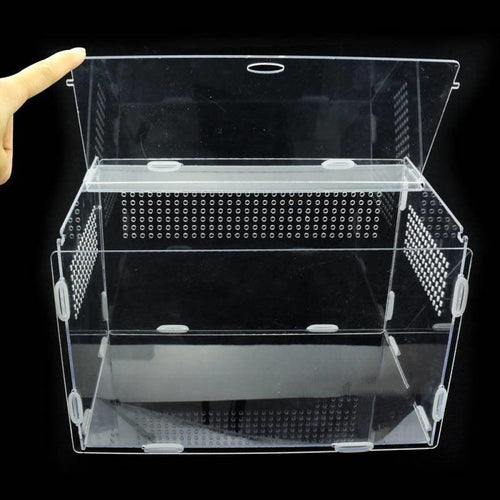
During the molt itself and the hardening period that follows, the crab is completely defenseless. Other hermit crabs can and will attack a molting crab for its shell or to cannibalize the vulnerable soft body. If you observe a crab beginning to molt on the surface (which happens occasionally in suboptimal conditions), isolate it immediately in a separate container with damp substrate deep enough to burrow, both fresh and salt water, and a selection of empty shells. Never remove the exuvia from the enclosure — the crab will eat it to reclaim the minerals it contains. Browse our hermit crab habitat and care collection for isolation containers and appropriate molting substrate.
After the Molt
A post-molt crab will be very pale (the new exoskeleton takes time to darken), soft, and reluctant to move. Do not handle a recently molted crab until its exoskeleton has fully hardened — this can take 2-4 weeks for a large crab. Offer the exuvia as food (or remove it only after the crab has had access to it), provide calcium-rich foods to support new shell hardening, and maintain optimal humidity for full recovery. Browse our critter care collection for calcium supplements and post-molt nutrition support.